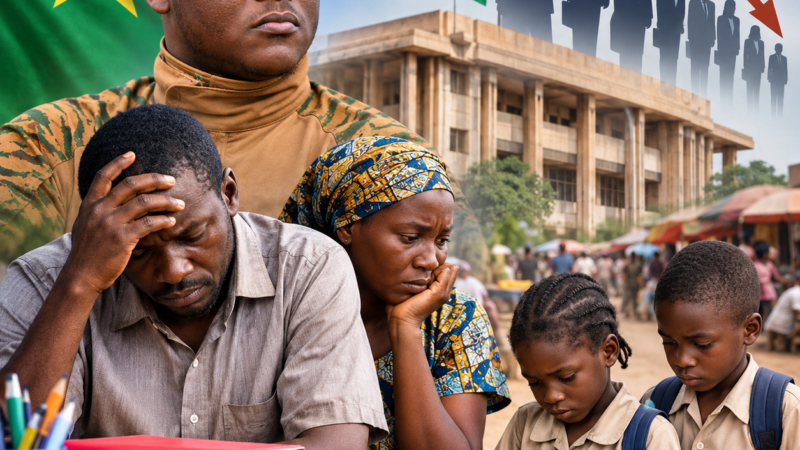
27 dead in Johannesburg and Cape Town shootings: the human and economic toll tearing South Africa apart
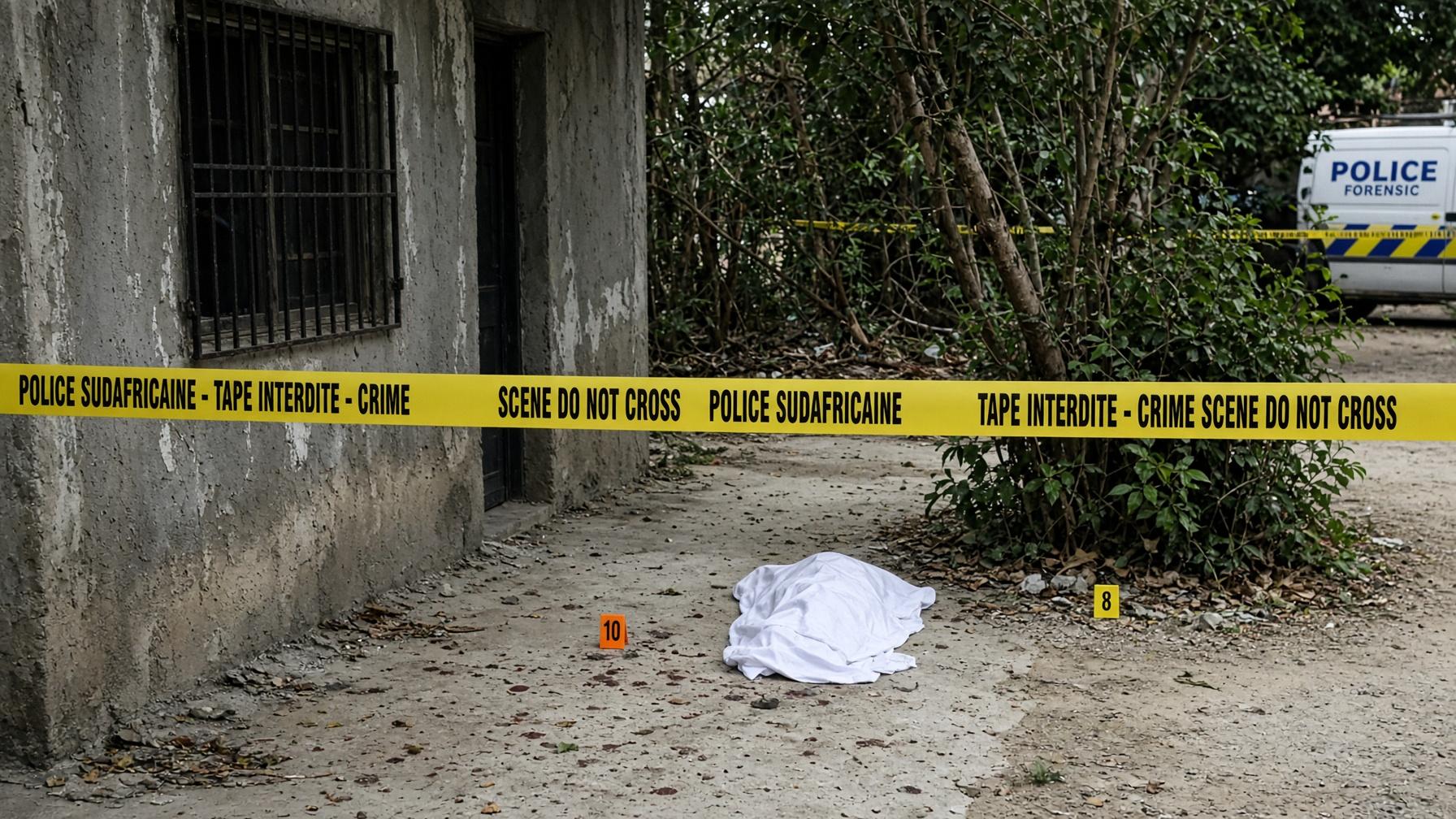
The human cost of South Africa’s gun violence crisis has rarely been laid bare so starkly. At least 27 people were killed in two separate shooting attacks in Johannesburg and the Cape Town area, leaving families shattered, communities gripped by fear, and a nation once again forced to confront the consequences of its spiraling armed violence.
Within a matter of hours, two armed assaults of extreme brutality claimed at least 27 lives and left several others seriously wounded in Johannesburg, the country’s economic powerhouse, and in Cape Town, its premier tourist destination. The impact reaches far beyond the immediate victims: businesses in affected areas brace for disruption, workers fear for their daily commutes, and local economies already strained by crime absorb yet another blow.
What we know about the two attacks
Preliminary information from the South African Police Service (SAPS) indicates that the attacks were carried out by unidentified gunmen who opened fire indiscriminately on groups of people. In Johannesburg, the shooting unfolded in a working-class neighborhood where several individuals were targeted while inside an informal establishment. In Cape Town, gunfire erupted in a peri-urban zone long marked by gang rivalries and organized crime.
Police reinforcements were deployed to both crime scenes, and manhunts were launched to identify and arrest the assailants, who managed to flee in vehicles.
How gun violence is reshaping daily life
This latest tragedy throws a harsh spotlight on the alarming level of insecurity across South Africa, which records one of the highest homicide rates in the world. The country regularly contends with violent reckonings tied to:
- Control of drug trafficking and extortion networks (gangsterism) in the townships.
- Deadly rivalries between minibus taxi associations.
- The unchecked circulation of illegal firearms.
For ordinary citizens, the consequences are tangible and unrelenting. Shop owners in affected neighborhoods weigh whether to keep their doors open. Parents rethink routes to school. Small businesses, already operating on thin margins, face higher security costs and lost foot traffic. In tourist hubs like Cape Town, each high-profile shooting chips away at the confidence of visitors and investors alike.
A pattern that keeps repeating
Despite repeated pledges by authorities to strengthen police presence and curb weapons trafficking, mass killings have multiplied in recent years. The result is a growing sense of outrage and exhaustion among a public that has grown accustomed to headlines of bloodshed — but not to the grief and economic strain that follow.
Each attack deepens the pressure on a state struggling to reassure its people that safety is not a privilege reserved for a few. For the families of the 27 victims, the consequences are permanent. For the country, they are a warning that cannot be ignored.