Regional workshop in N’Djamena boosts legal protection for environmental journalists
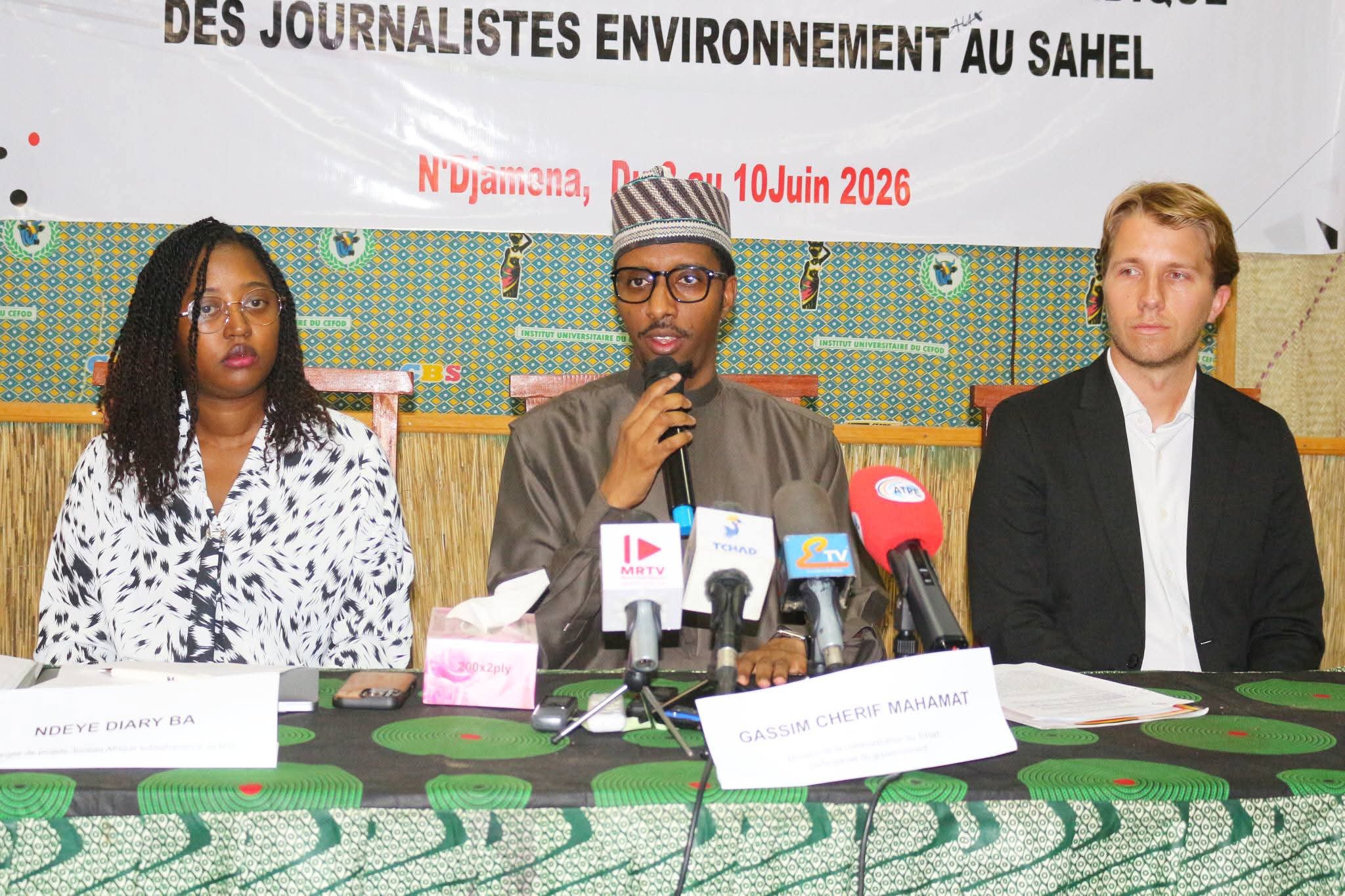
For three days starting Monday, June 8, 2026, N’Djamena hosted a pivotal regional workshop designed to fortify the legal safety of journalists focusing on environmental issues. The event, co-organized by Reporters sans Frontières and key ministries in Communication and Environment, brought together over 20 media professionals from Chad, Burkina Faso, Mali, and Niger.
Strengthening legal frameworks for safer journalism
The initiative, part of the broader project titled “Defending and Protecting Environmental Journalism in the Sahel”, seeks to elevate the working conditions for journalists who cover environmental topics. A central goal is to deepen participants’ understanding of their rights, existing protective mechanisms, and risk mitigation strategies while fostering collaboration among journalists, legal experts, and human rights advocates.
Key focus areas of the training
- Enhancing knowledge of national and regional legal frameworks governing environmental reporting.
- Equipping journalists with digital security skills to safeguard against cyber threats.
- Strengthening risk assessment and management capabilities for safer fieldwork.
- Promoting ethical reporting and combating misinformation in environmental coverage.
Expert insights and government support
Ndeye Diary Ba, Project Lead for Sub-Saharan Africa at Reporters sans Frontières, emphasized the critical role of legal awareness in enabling journalists to work without fear. “Participants will delve into sensitive topics, dissect legal tools available to them, and refine their digital security protocols,” she noted. The training also aims to empower journalists to hold authorities accountable while ensuring their own protection.
The Chadian Minister of Communication and Government Spokesperson, Gassim Cherif Mahamat, underscored the urgency of the initiative. “Journalists in the Sahel operate in high-risk environments where environmental reporting is both vital and perilous,” he said. “This workshop provides them with practical tools—risk analysis, legal literacy, and fact-checking—to navigate modern journalism’s challenges.”
Building a sustainable network of informed reporters
Over the three-day session, attendees will exchange best practices, share regional insights, and develop actionable strategies to report on environmental crises—from deforestation to water scarcity—while minimizing personal and professional risks. The ultimate aim is to create a resilient network of journalists who can inform the public effectively without compromising their safety or independence.