Mali and Niger reiterate claims that Algeria exports terrorism to the Sahel
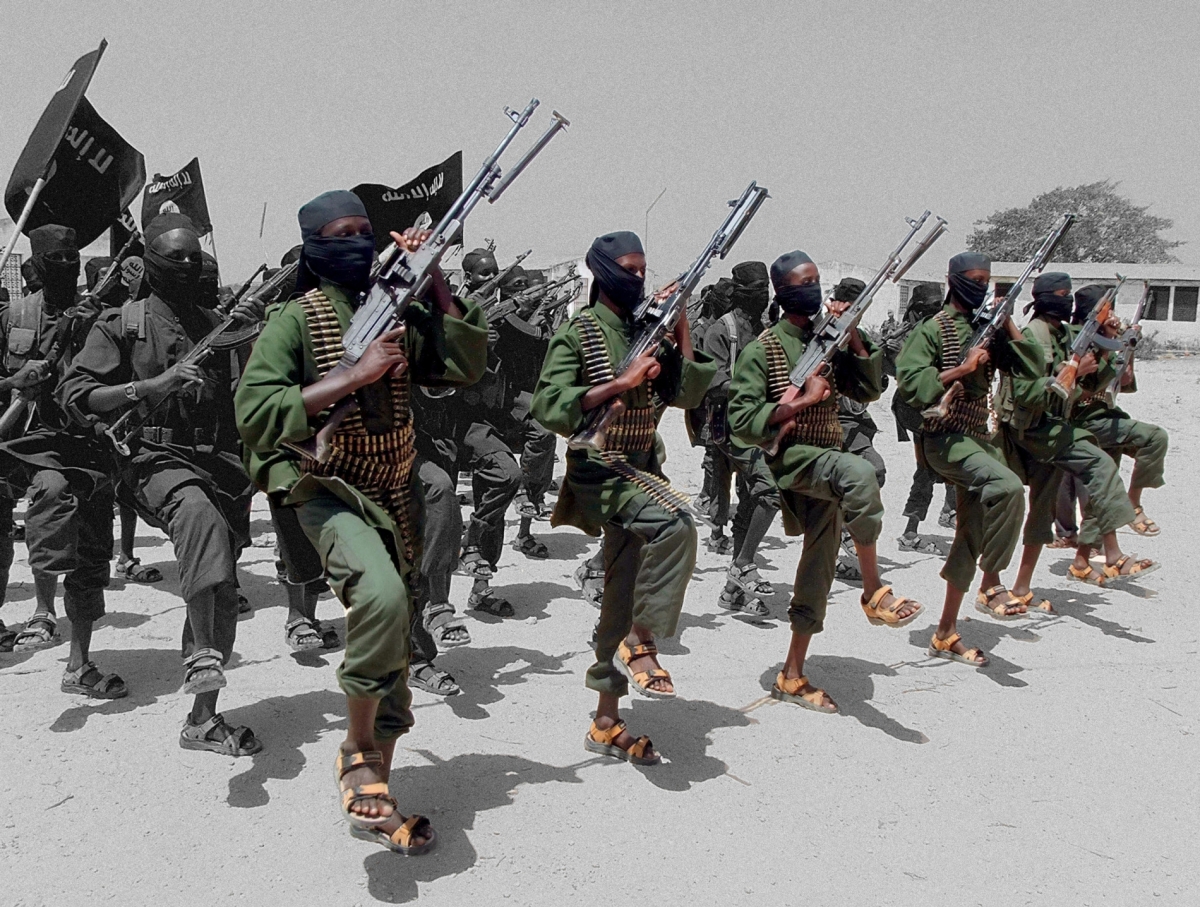
Authorities in Mali and Niger have once again leveled serious allegations against Algeria, asserting that the nation facilitates the spread of terrorism throughout the Sahel by providing refuge and logistical support to militant groups operating across its southern borders.
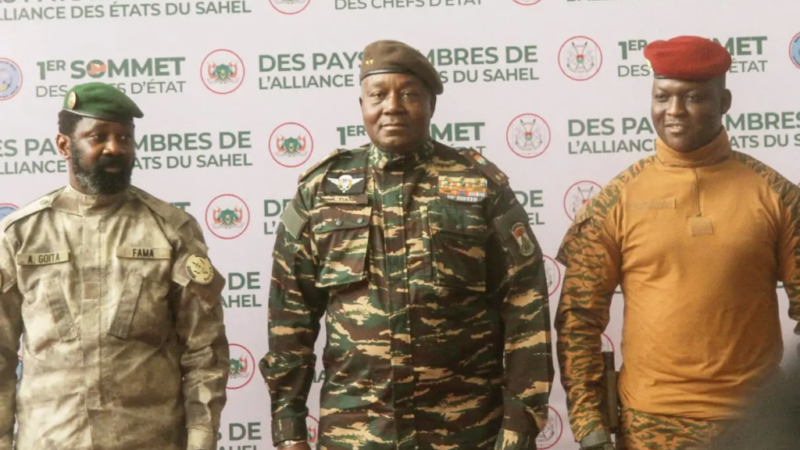
During a recent regional security summit held in Senegal, representatives from Mali and Niger avoided naming their neighbor directly in their latest speeches. However, their comments mirrored months of previous, explicit claims from Bamako, which has labeled Algiers as a strategic and political hub for insurgent and separatist movements active in northern Mali.
“Certain neighboring states are presently giving sanctuary to terrorist organizations, offering them support, or welcoming antagonistic forces that launch strikes against our territory,” Malian Foreign Minister Abdoulaye Diop commented during an interview.
Historical roots and militant evolution
Security specialists suggest that contemporary terrorism in the Sahel is a legacy of the Algerian civil war from the 1990s. They argue that extremist networks, once suppressed within Algeria, did not vanish but instead relocated southward. Organizations like al-Qaeda in the Islamic Maghreb (AQIM) developed from the Salafist Group for Preaching and Combat (GSPC), a faction that emerged during Algeria‘s “Black Decade.” For many years, these groups were commanded by Algerian citizens who moved their base of operations into Mali and the Sahara due to domestic military crackdowns.
Numerous accounts have surfaced alleging collaboration between Algerian intelligence agencies and various militant factions within the Sahel region.
Escalating diplomatic friction
Mali has frequently used the United Nations as a platform to denounce Algeria‘s alleged role in fueling terrorism. These formal grievances followed a significant breakdown in bilateral relations over the past year. The core of the dispute lies in northern Mali, where the state has been battling both terrorist cells and Tuareg-led rebels for over a decade. Bamako contends that these insurgents exploit the lack of border security and Algeria‘s tolerant attitude toward militants near its frontier.
In a notable address to the United Nations General Assembly last September, Malian Prime Minister Abdoulaye Maïga stated that Algeria had shifted from being a security partner to an “exporter of terrorism” within the Sahel.
The drone incident and regional fallout
Tensions surged further in late March after Algerian forces downed a Malian military drone near the border. Bamako interpreted the move as a calculated effort to shield terrorist commanders who were being targeted by Malian defense operations.
In a show of defiance, Mali and its regional partners, Niger and Burkina Faso, collectively summoned their ambassadors from Algiers. The trio issued a joint declaration accusing the Algerian government of active support for terrorist activities.
- Niger has consistently stood by Mali during these diplomatic confrontations with Algeria.
- Authorities in Niamey supported Bamako‘s diplomatic measures following the March drone incident.
- General Abdourahamane Tiani, the leader of Niger, has previously blamed several foreign entities for backing attacks on his country.
This ongoing conflict regarding Algeria‘s influence underscores a growing divide in West African security dynamics. The military leadership in the Sahel maintains that regional peace is unattainable as long as neighboring states continue to engage in what they describe as destabilizing or permissive behavior toward armed groups.