Mali security crisis escalates as Russian paramilitaries face setbacks
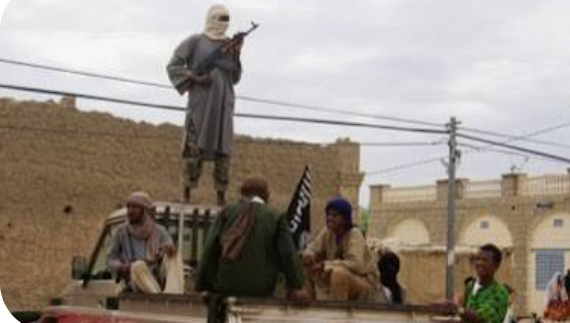
Despite Mali’s transitional authorities banking on a strengthened military partnership with Moscow to restore peace, the security landscape remains dire as of April 25. Between a fragile evacuation pact brokered with rebels in Kidal and a sudden resurgence of clashes in Kati—the nerve center of the nation’s power—the viability of the ‘all-military’ strategy, bolstered by Russian mercenaries, is increasingly under scrutiny.
Kidal’s uneasy truce: a tactical retreat or strategic failure?
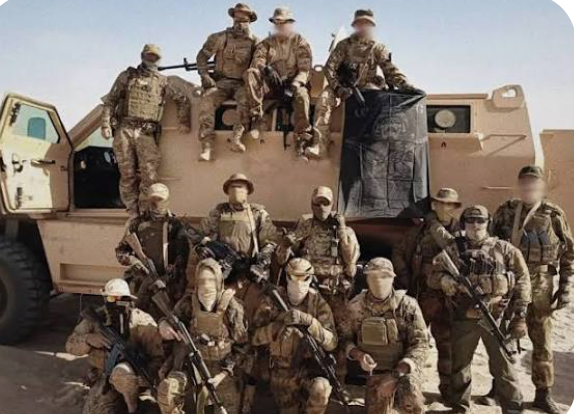
In a surprising development, reports indicate that a temporary agreement was reached between Tuareg rebel factions and Russian paramilitary units to facilitate the withdrawal of the latter from key areas in the Kidal region. While framed as a humanitarian move to minimize civilian casualties, the deal underscores a harsh truth: neither external military intervention—whether Western or Russian—has succeeded in stabilizing this volatile region. For Bamako, which had staked its legitimacy on reclaiming Kidal as a symbol of national sovereignty, witnessing its Russian allies negotiate an exit reveals a stark reality—foreign military presence, no matter the origin, struggles to secure complex terrains like the Sahara-Sahel.
Kati’s brewing storm: insecurity reaches the heart of power
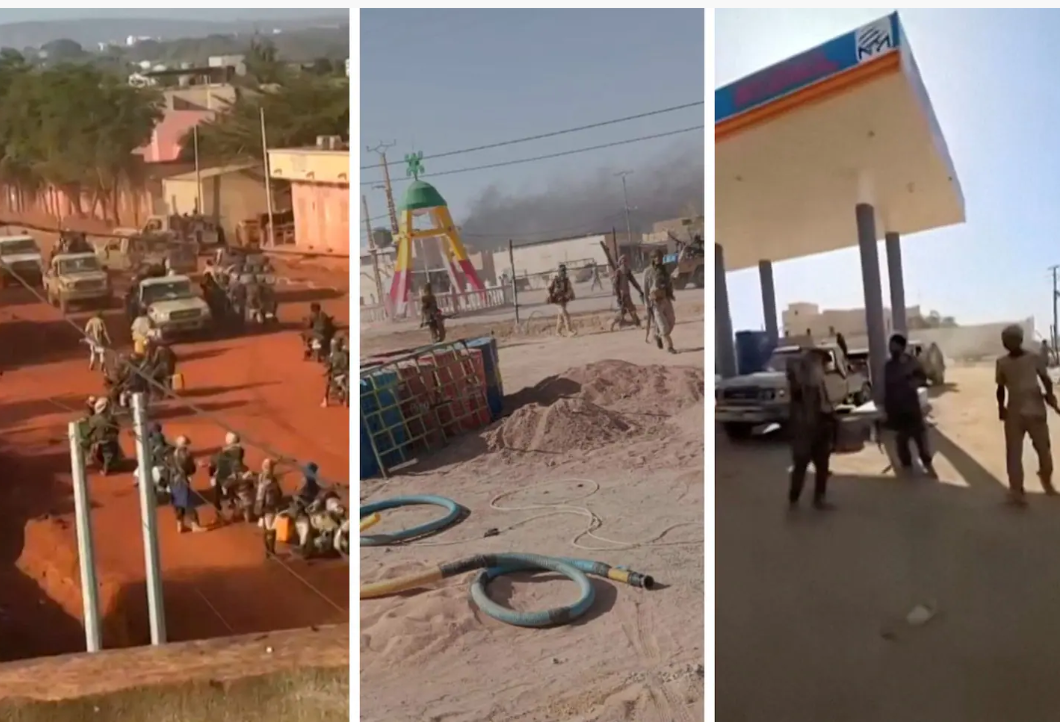
While the northern battlefront remains ablaze, the southern flank is now ablaze as well. Fighting has reignited in Kati, a strategically vital garrison town just 15 kilometers from the capital. Far from being a mere military outpost, Kati is the birthplace of Mali’s current leadership and the epicenter of strategic decision-making. The return of violence here signals a dangerous trend: insecurity is no longer confined to the country’s distant peripheries but is now encroaching upon the very seat of government. This development raises serious concerns, especially as it contradicts official assurances about the Malian army’s growing capabilities and the supposed stabilizing influence of its Russian allies.
Why Russia’s military model is failing in Mali
The deployment of the Wagner Group—now rebranded under the Africa Corps—was touted as the definitive counterterrorism solution. Yet, after years of collaboration, the results are disheartening: violence continues to spread, engulfing urban centers and undermining public trust. This strategic misstep reveals a critical flaw: brute force cannot substitute for robust political and administrative solutions in remote regions. By pivoting away from long-standing regional and international partners in favor of a single foreign actor, Mali has entrenched itself in a military dependency that yields no tangible dividends on the ground. Russia, driven by its own geopolitical ambitions, appears ill-equipped to address the asymmetric warfare plaguing the Sahel, which demands sophisticated intelligence networks and genuine social cohesion—not merely firepower.
The current predicament in Mali serves as a stark reminder: security cannot be purchased through mercenary contracts. The setbacks in Kidal and the fragility exposed in Kati underscore an inescapable conclusion for the nation’s leadership: a purely military solution, particularly one reliant on external forces, is unsustainable. Without a return to inclusive governance and a comprehensive security strategy that addresses root causes, Mali risks descending deeper into a cycle of violence, one that even its new allies seem powerless to disrupt.