Mali’s russian partnership crumbles under battlefield reality
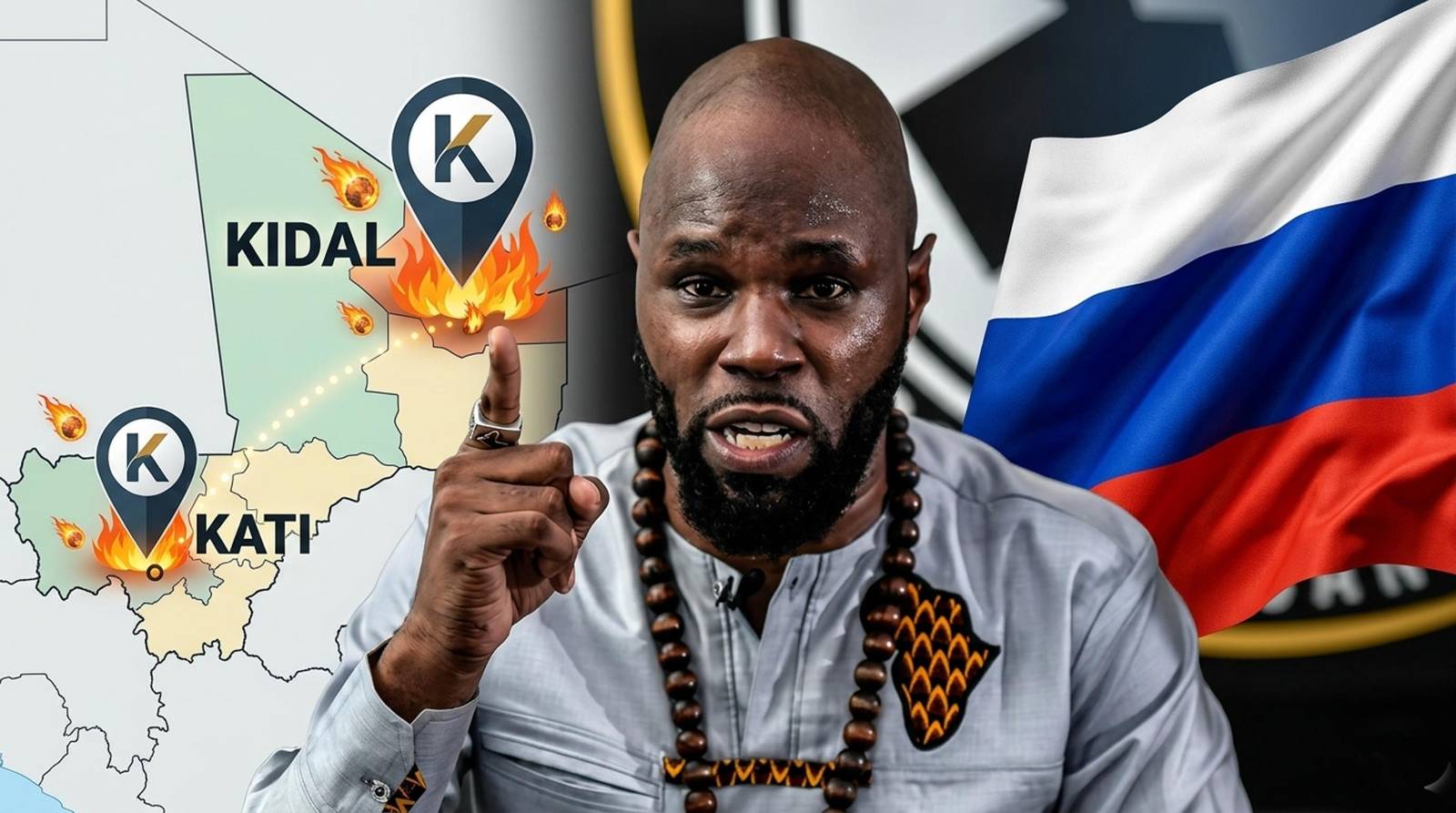
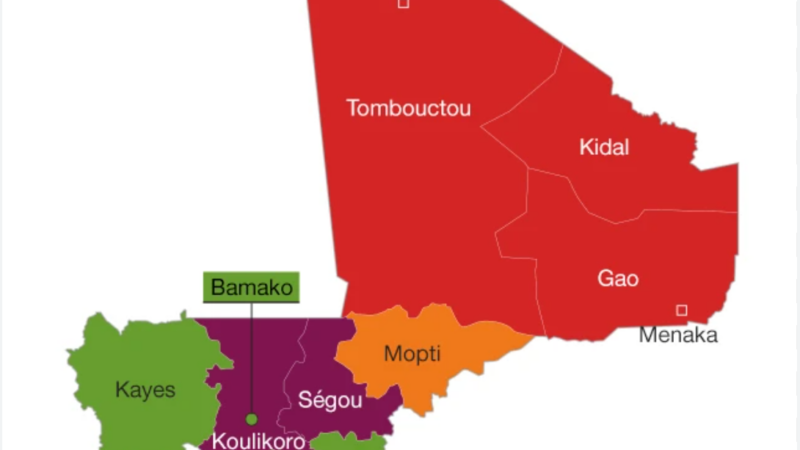
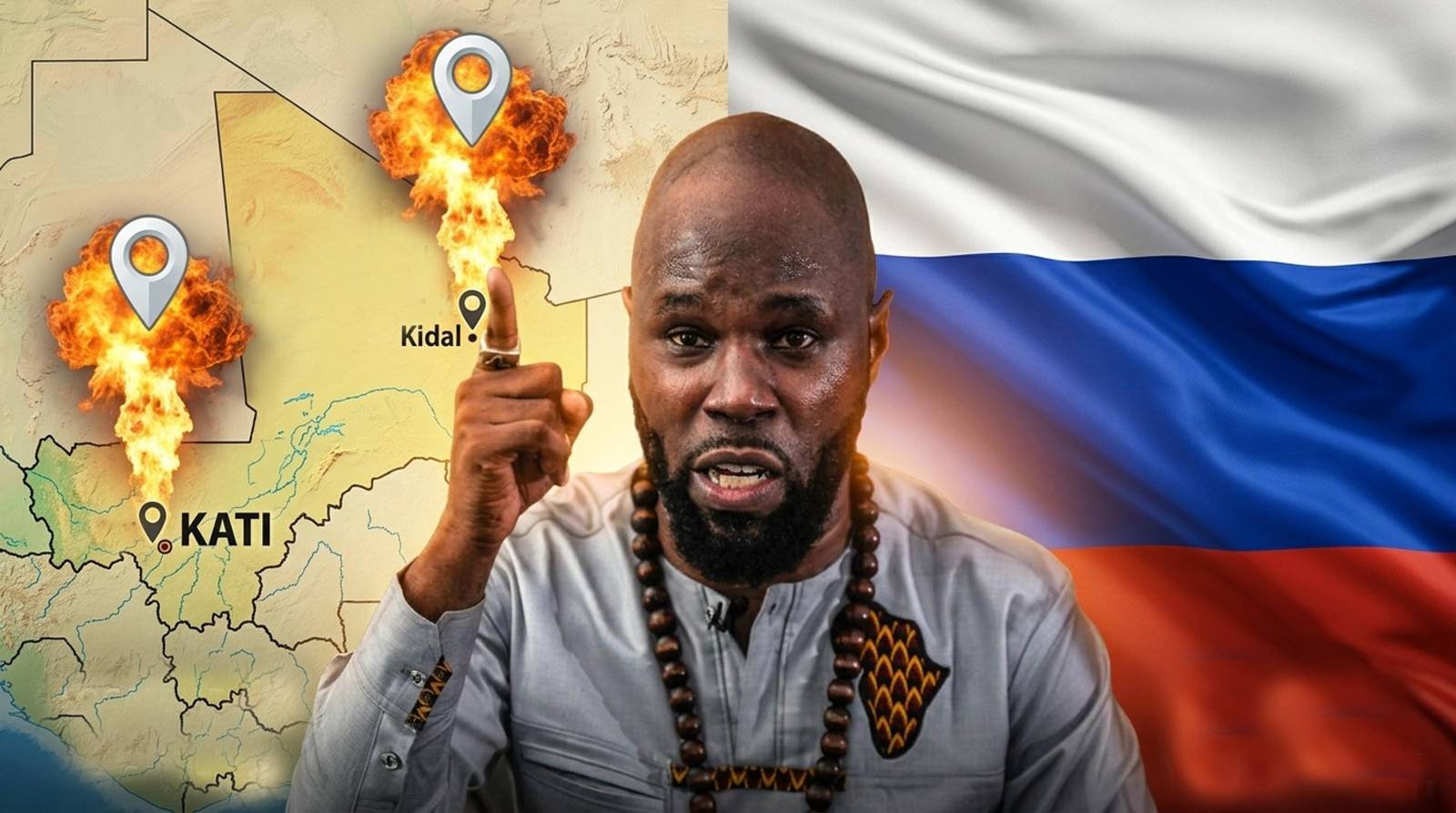
The narrative of a Russian-backed liberation in Mali is collapsing under the weight of harsh military realities. What began as a promise of swift security gains has instead exposed critical flaws in the partnership between Bamako and Moscow. As fighting intensifies in Kati and Kidal, the cracks in this alliance are widening, revealing a strategy that prioritizes rhetoric over results.
Once hailed as a game-changer, the Russian military presence has failed to deliver on its promises. The Africa Corps, despite its bold claims, is struggling to match the effectiveness of its Western predecessors. Meanwhile, the once-unshakable confidence of panafricanist figurehead Kemi Seba is showing signs of strain. Audio leaks from private conversations paint a different picture—one where Seba openly criticizes Moscow’s motives, calling Russian involvement little more than opportunistic exploitation.
a partnership sold on empty promises
For months, Malian officials and pro-government voices propagated the myth of a turnkey security solution from Russia. The reality? A military strategy that has left cities vulnerable, armored vehicles destroyed, and civilian morale shattered. The “all-in with Moscow” approach has not only failed to secure additional territory but has also alienated segments of the population and military leadership alike.
Kemi Seba, the architect of anti-Western sentiment, now finds himself in an awkward position. While maintaining a defiant public stance, private recordings reveal his growing disillusionment. In one leaked audio, he bluntly labels Russian involvement as “the worst kind of opportunism,” admitting that Moscow’s agenda is purely transactional. Seba’s earlier endorsement of Russian support now appears as a strategic miscalculation, one that may cost him credibility among his followers.
the cost of ideological shortcuts
The consequences of this failed partnership extend beyond military setbacks. The people of Mali and its soldiers bear the brunt of a security model that prioritizes political posturing over tangible protection. The Russian approach, far from delivering a quick fix, has exposed Mali to deeper instability. With no real improvement in sight, the nation faces a stark choice: double down on a flawed strategy or seek alternative paths to stability.
For now, the illusion of Russian-backed security is fading fast. What remains is a military partnership that has delivered neither security nor sovereignty—only deeper uncertainty for the Malian people.