Rising tensions in sahel alliance as mali’s russian influence grows
Is Mali’s sovereignty slipping under Russian influence within the Sahel Alliance?
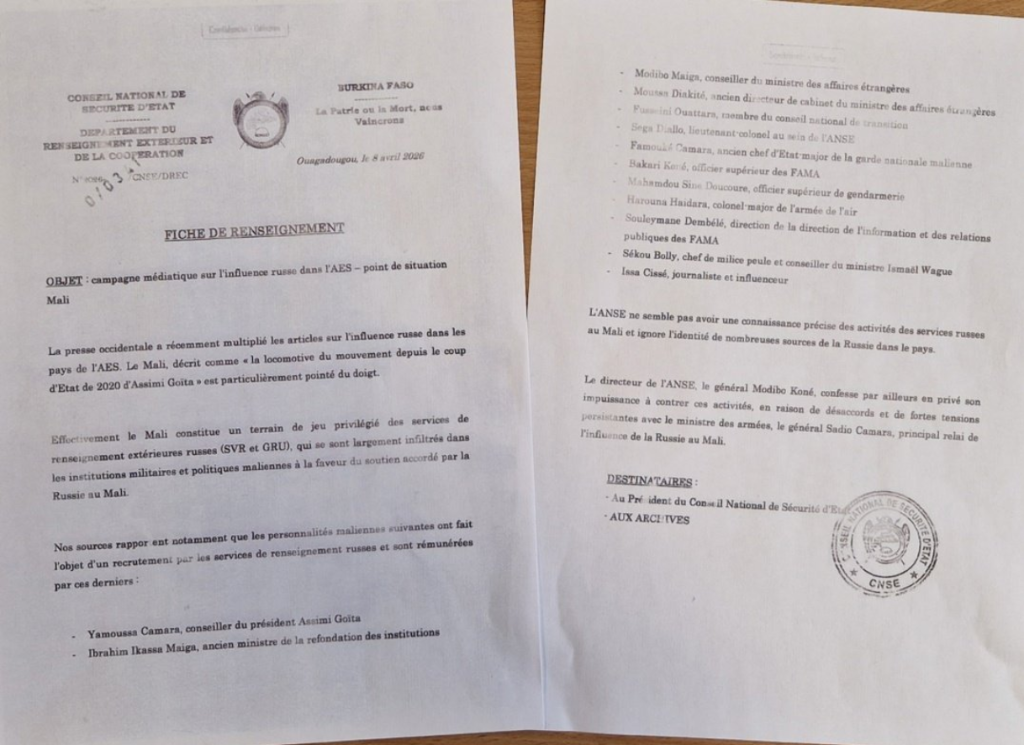
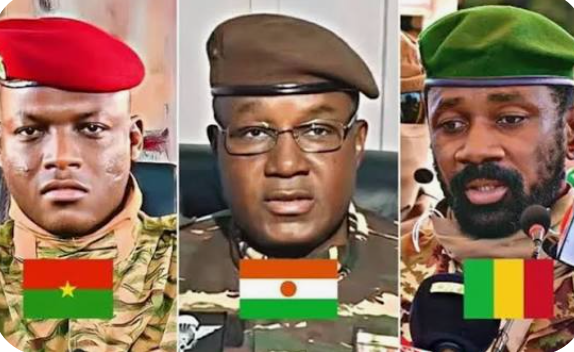
The Alliance of Sahel States (AES), formed to unite Mali, Burkina Faso, and Niger against external threats, is facing an unexpected crisis. While leaders publicly emphasize unity, a leaked intelligence report from Burkina Faso suggests Mali’s government may no longer be fully in control of its own decisions, with deep Russian influence reshaping its policies.
A shadow network within Mali’s institutions
According to Burkinabè intelligence, the infiltration goes far beyond mere advisors. Key figures in Mali’s government, military, and media are allegedly tied to Moscow, raising concerns about foreign interference in critical decision-making processes.
The report highlights several individuals with close ties to President Assimi Goïta, including:
- Yamoussa Camara, a senior advisor whose policies appear to align closely with Russian interests;
- Modibo Maïga and Moussa Diakité, influential voices in administration and diplomacy;
- High-ranking military officers like Bakari Koré and Harouna Haidara;
- Media personalities and militia leaders, including Sékou Bolly and journalist Issa Cissé.
This web of connections paints a worrying picture: Mali’s strategic choices may no longer reflect the priorities of its people or regional partners, but rather those of an external power.
A shift from one dependency to another
The AES was founded on the principle of regional sovereignty, aiming to break free from Western influence. Yet, as Mali strengthens ties with Russia, neighboring countries like Niger and Burkina Faso are growing uneasy. There is growing suspicion that Bamako’s military and political decisions are increasingly serving Moscow’s geopolitical agenda rather than the collective security needs of the Sahel.
This shift is causing friction within the alliance. The Nigerien government, in particular, has expressed concerns over Mali’s growing reliance on foreign mercenaries and shadow advisors, fearing that instability in Bamako could spill over into the broader region.
Can the Sahel Alliance survive its internal divisions?
The leaked report has cast a long shadow over the AES’s future. Burkina Faso, one of the alliance’s key members, is now questioning whether Mali can be a reliable partner if its sovereignty is compromised. The fear is that decisions imposed by external actors—rather than by Mali’s own leadership—could destabilize the entire alliance.
Observers warn that if Bamako does not regain control of its national policies, the AES risks collapsing as quickly as it was formed. The alliance’s very foundation—mutual trust and shared sovereignty—is now at risk, leaving many to wonder: Is the AES strong enough to survive its own internal fractures?