How Patrice Talon transformed benin with over 2000 km of paved roads
When discussing Patrice Talon’s legacy in Benin, one achievement stands out: roads. Over the past decade, the president has reshaped the nation’s landscape, turning dusty paths into smooth asphalt and pothole-ridden tracks into modern thoroughfares. From the bustling streets of Cotonou to the most remote villages, Talon’s infrastructure revolution has placed progress under every Beninese citizen’s feet. As his term nears its end, it’s impossible to reflect on his leadership without acknowledging this monumental feat—the roads he built are a testament to his vision.
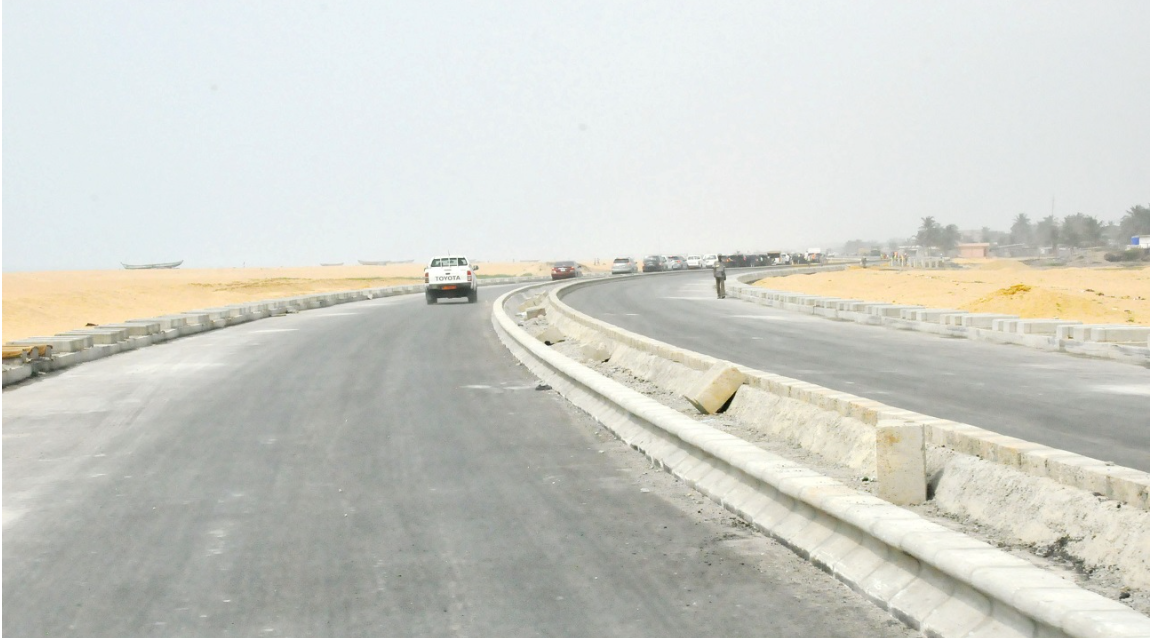
From crumbling paths to thriving highways
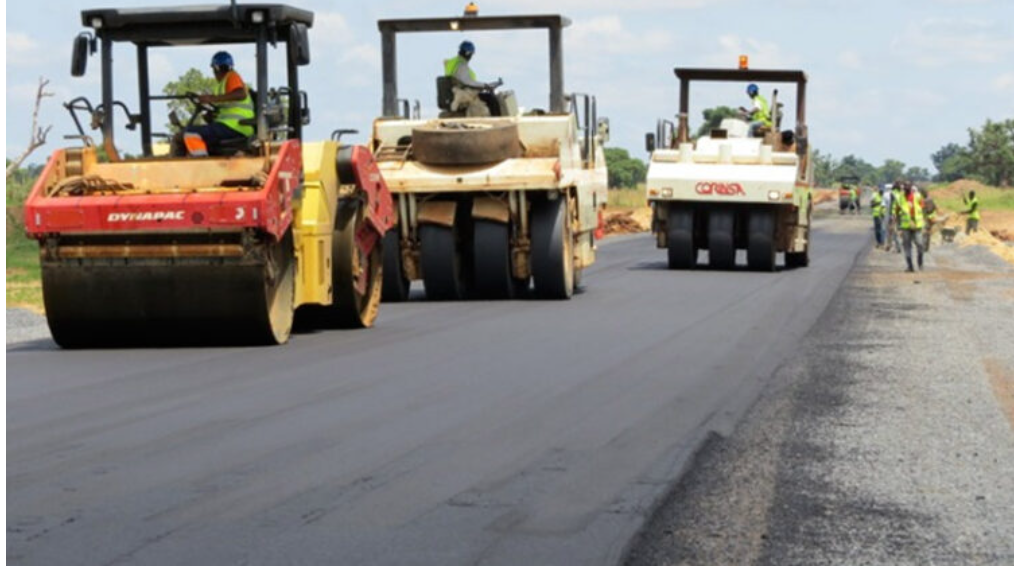
In 2016, Patrice Talon inherited a nation where poor road conditions stifled growth. He recognized early on that without reliable transportation, Benin’s economy would remain stagnant. No flourishing trade. No accessible hospitals. No reachable schools. His solution was clear: transform the nation’s infrastructure. The goal? Connect farms to markets, open rural areas, and attract investors by creating clean, well-maintained urban spaces.
A decade later, that vision has become reality. Official records confirm the scale of this achievement: over 2,000 kilometers of roads have been paved, with another 1,100 kilometers under construction. The impact is undeniable—families no longer choke on dust while commuting, farmers transport goods without damaging their vehicles, and parents safely escort children to school. No longer isolated, Benin’s towns and villages are now interconnected, vibrant, and alive.
Urban renewal through asphalt
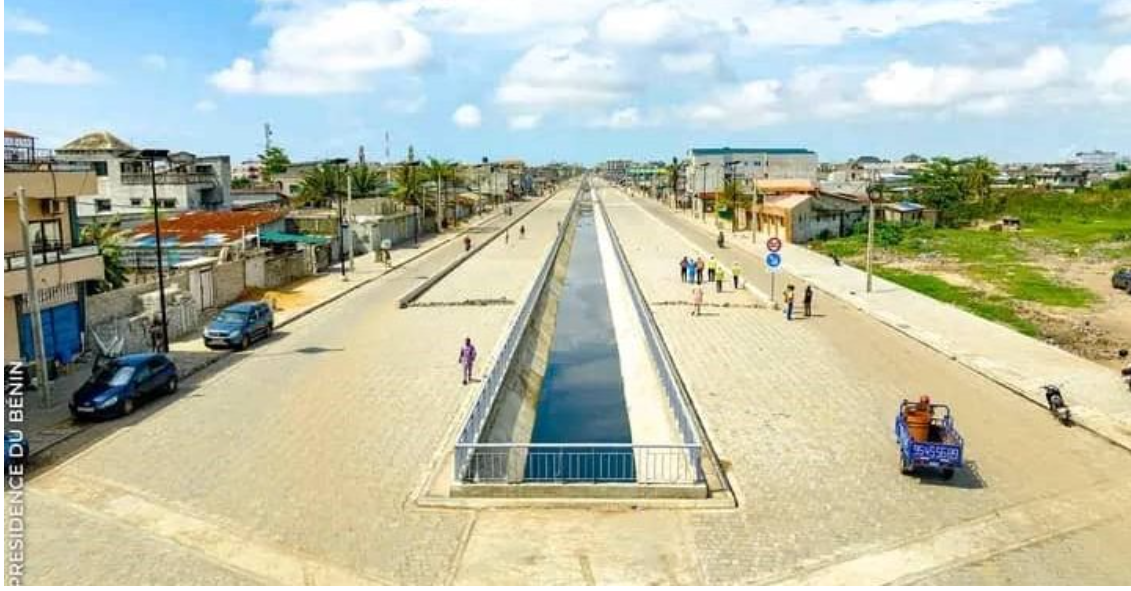
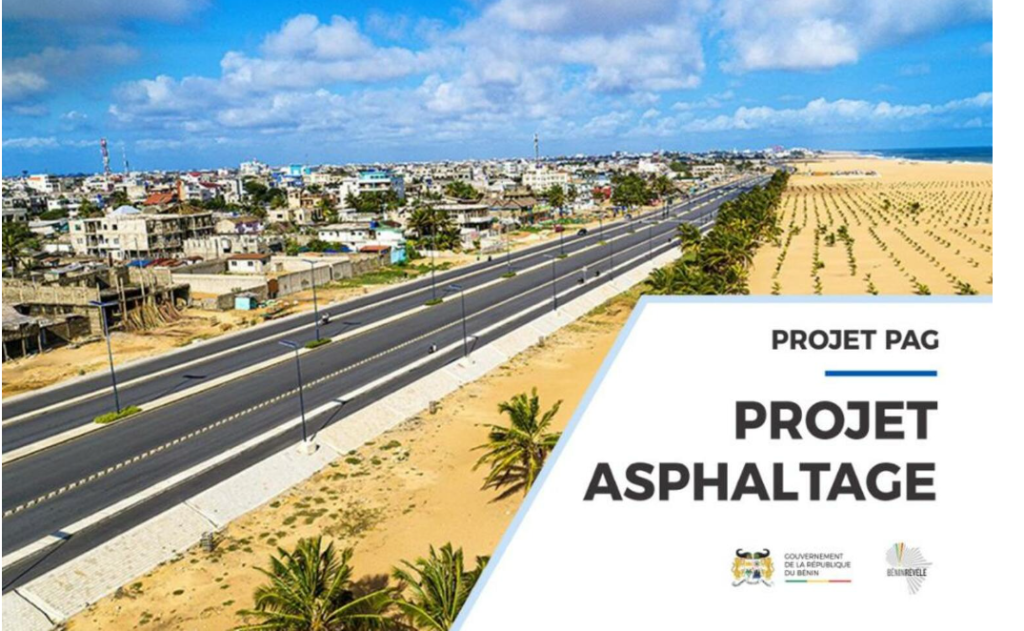
The Asphaltage initiative became the cornerstone of this transformation. This bold program targeted key cities, reshaping Cotonou’s economic landscape, revitalizing Porto-Novo’s political hub, and enhancing northern gateways like Parakou. Smaller yet equally significant towns—Abomey-Calavi, Djougou, Kandi, Ouidah—also benefited from this upgrade. Entire neighborhoods, once neglected, have been restored to their former glory, reclaiming their rightful place in Benin’s urban fabric.
Today, strolling through Cotonou feels entirely different. Gone are the potholes that shattered wheels. Gone are the seasonal floods that trapped pedestrians. Gone are the suffocating dust storms of the dry season. Beninese citizens are rediscovering their country—not as a treacherous journey, but as a seamless, modern experience. Commuting to work is no longer a struggle; it’s a pleasure. Pride has returned. Children play in clean, safe streets. Vendors set up stalls without fear of muddy puddles. Emergency services respond faster. Lives have been saved—all thanks to the power of asphalt.
Extending beyond borders
Patrice Talon’s ambitions weren’t confined to Benin’s borders. He envisioned a nation that could serve as a regional hub, and his infrastructure projects reflected that. The Cotonou-Niamey highway, linking Benin to Niger, was fully rehabilitated, becoming a vital trade artery where goods flow day and night without delay. The famed Route des Pêches (Fisheries Road) underwent massive upgrades, with modern bridges and expanded lanes slashing travel times from hours to minutes. These improvements have turned Benin into a crossroads for neighboring countries, fostering economic ties and regional cooperation.
A cultural shift in national pride
The most profound change isn’t just in the roads themselves—it’s in the mindset of the people. Gone are the days when Beninese citizens complained about potholes and wondered when repairs would begin. Now, they ask, Which town will be paved next? This shift speaks volumes. Communities take pride in showcasing their neighborhoods. Visitors are captivated by the transformation. Foreign investors, once hesitant, now set up shop with confidence, drawn to a nation that’s visibly moving forward.
Patrice Talon didn’t just build roads—he built opportunities. In a single decade, he surpassed the combined paving efforts of all his predecessors, unlocking previously inaccessible areas. Villages once shrouded in obscurity now thrive. Markets flourish along newly laid roads. Agricultural lands have become productive. Local economies have boomed, creating jobs and prosperity where it was once scarce.
Today, Benin’s reputation extends far beyond its borders. International partners commend its progress. Financial institutions applaud its commitment. This acclaim isn’t accidental—it’s the result of relentless dedication and unwavering determination. Under Talon’s leadership, asphalt ceased to be just a road surface; it became a symbol. A symbol of progress. A symbol of regained dignity. A symbol of a Benin that strides forward with its head held high. This is a legacy that time will not erase—a footprint etched into the land and etched into the hearts of its people.