Mali’s fragile sovereignty exposed by hostage release mediation
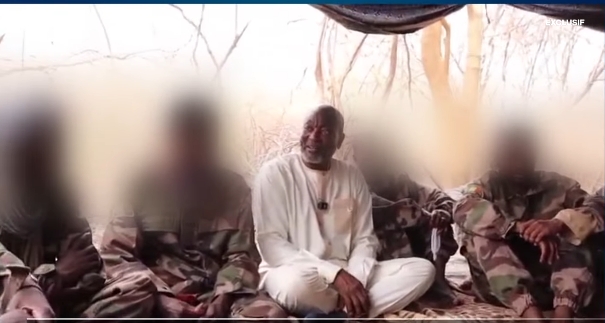
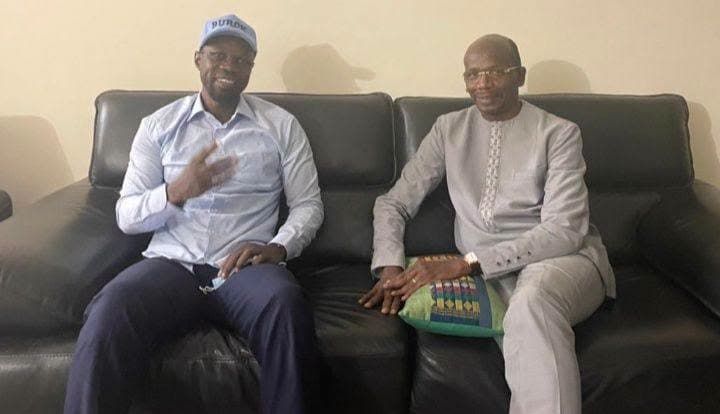
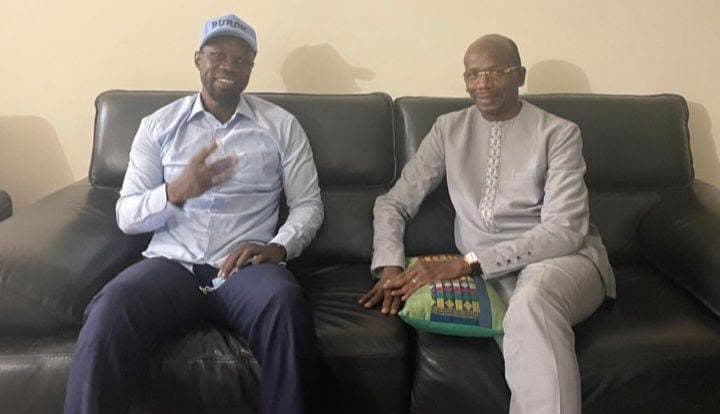
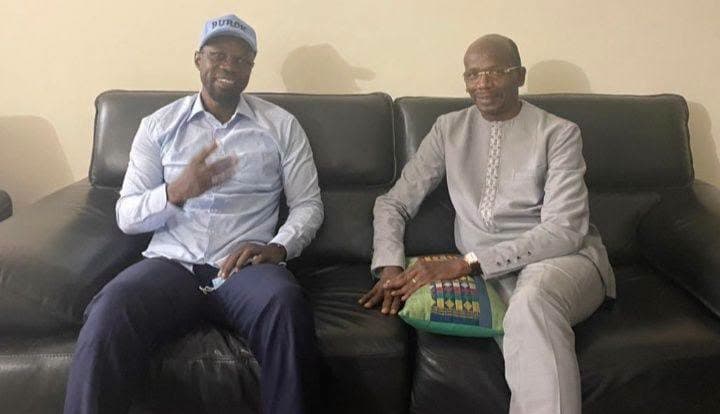
In a striking visual that quickly went viral across Mali’s social media landscape, an exiled opposition figure, Oumar Mariko, appeared alongside recently freed hostages, now numbering 17, following negotiations with the Group for the Support of Islam and Muslims (JNIM)—the Al-Qaeda affiliate operating across the Sahel. While the rescued individuals represent a humanitarian milestone, the circumstances of their release have exposed stark vulnerabilities within the Malian state’s authority.
When the State Steps Back: The Absence of Bamako
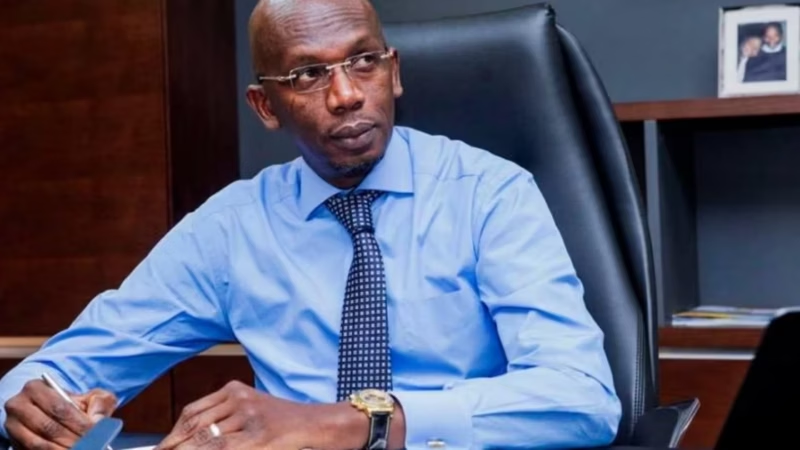
The central irony lies in the fact that a civilian political figure, currently in exile and openly critical of the transitional authorities, was able to broker a deal in a region where the national security apparatus has repeatedly faltered. This raises a pressing question: how can an individual outside the formal state structure move freely and engage in high-stakes negotiations where official institutions have repeatedly failed?
Observers warn that this episode reflects a troubling erosion of state sovereignty. In vast rural territories, the ability to move, negotiate, and resolve conflicts has increasingly shifted from state institutions to informal actors. The image of Mariko negotiating under the JNIM banner underscores a sobering reality: where the Malian government is absent, others fill the void—often with far-reaching consequences.
Terrorism as a Political Brand: JNIM’s Calculated Public Relations
To the JNIM, this hostage release was never an act of mercy. It was a calculated media operation designed with two strategic goals in mind:
- Image rehabilitation: By participating in a filmed negotiation and handover of hostages, the group attempts to project itself as a pragmatic, almost responsible actor—contrasting sharply with the image of extremist violence long associated with its name.
- Authority substitution: Through these actions, JNIM positions itself as the de facto governing force in local communities, replacing mayors and regional administrators in matters of justice, protection, and even dispute resolution. This further undermines the legitimacy of the Malian state in the eyes of rural populations.
“Sovereignty isn’t declared in Bamako’s speeches—it’s proven by the state’s ability to protect its people without intermediaries or conditions.”
The Hidden Costs of Shadow Diplomacy
The relief felt by the families of the released hostages is tempered by deeper, more dangerous implications for Mali’s future stability:
- Funding the insurgency: Though never officially acknowledged, the payment of covert ransoms—often in cash or concessions—provides financial resources that directly fuel future attacks against Malian armed forces and civilian targets.
- Implied recognition: Seeking mercy from a jihadist leader implicitly validates his control over a territory. It sends a message of weakness to both local communities and international partners, strengthening the insurgents’ moral and political standing.
A Nation Divided: Cities vs. Countryside
Mali today exists in two parallel realities:
- The institutional Mali: In the capital, Bamako, the narrative remains one of military progress and imminent territorial reconquest. Officials continue to assert that state authority is being restored through coordinated security operations.
- The rural Mali: Across the countryside, where state presence is minimal, communities face a harsh choice: adapt to survive. Many have turned to pragmatic coexistence with armed groups to ensure daily safety, access to markets, and basic services—further weakening the perceived relevance of the central government.
The Path to Restoring State Authority
The Oumar Mariko mediation episode is not merely a humanitarian footnote—it is a flashing warning light. It reveals a state that has outsourced critical aspects of national security to non-state actors and opposition networks. For Bamako, the challenge is no longer just military. It is fundamentally political: to reclaim the monopoly on force, justice, and representation in regions where dialogue now occurs under the shadow of armed groups.
The question is no longer whether the Malian state can retake control—but whether it still has the political will and institutional capacity to do so before the gap between rhetoric and reality becomes irreversible.