Niger and Mali face the hard truth of leaving the ecowas bloc
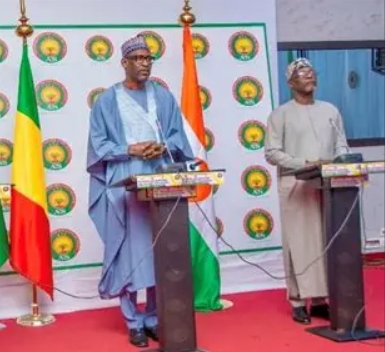
Recent statements by Niger and Mali’s foreign ministers have laid bare a stark contradiction. While accusing neighboring West African nations within the Economic Community of West African States (ECOWAS) of backing armed terrorist groups, they simultaneously express willingness to engage in limited cooperation with the same bloc. This duplicity reveals a deeper dilemma: severing ties with a regional alliance is far more complex than political rhetoric suggests.
Contradiction in diplomacy: choosing between confrontation and collaboration
The accusations leveled by Mali and Niger against ECOWAS countries are severe, yet their willingness to negotiate with these same nations raises questions. International relations thrive on consistency—if a nation publicly labels its neighbor an ally of terrorists, it undermines credibility to propose economic partnerships the following day.
Experts warn that such inconsistency risks portraying Sahelian authorities as unreliable partners on the global stage. Development agreements cannot be forged with adversaries, and the world’s diplomatic community takes note of these inconsistencies. The message sent to investors and other governments is clear: promises of cooperation ring hollow when mixed with public hostility.
The unbreakable chains of geography: why landlocked nations cannot go it alone
The decision to withdraw from ECOWAS was framed as a quest for “total independence.” Yet geography remains an inescapable reality. Landlocked nations like Mali and Niger rely heavily on coastal neighbors for survival—importing essential goods such as rice, sugar, medicines, and construction materials through ports in Cotonou, Lomé, and Abidjan.
Without cooperation, transportation costs would skyrocket, pushing already strained economies into deeper crisis. By seeking to maintain dialogue with ECOWAS, the ministers tacitly acknowledge that the Alliance of Sahel States (AES) cannot operate in isolation. Economic survival depends on regional interdependence, despite political tensions.
The illusion of keeping the keys after leaving the club
Withdrawing from ECOWAS was a bold political statement, aimed at appeasing domestic audiences demanding change. However, the desire to retain technical advantages—such as free movement of goods and funds—while rejecting the bloc’s rules reflects a dangerous contradiction.
International cooperation is not a one-sided transaction. Trust is its foundation. Once political bonds are severed, the legal and economic security of local traders and investors becomes precarious. The argument that one can leave an alliance, insult its members, and still benefit from its systems is not only flawed—it is delusional.
From anger to action: the need for pragmatic leadership
Emotion has no place in foreign policy. Public outbursts may energize domestic supporters, but they do little to address hunger, insecurity, or terrorism—challenges that transcend borders.
Terrorist networks operate freely across unmonitored frontiers. Defeating them requires coordinated intelligence-sharing and joint military operations across the region. Instead of alienating neighbors, Sahelian leaders should foster sincere collaboration. Dividing the region only strengthens those who seek to exploit instability.
Sovereignty isn’t just about words—it’s about feeding people
Mali and Niger are learning the hard way that full withdrawal from ECOWAS carries immense economic consequences. True sovereignty is not measured by defiant slogans, but by a nation’s ability to feed its people, heal its sick, and protect its cities.
Good neighborliness is not optional—it is essential. To pretend otherwise is to prioritize propaganda over the lived reality of citizens who are struggling to survive. Economic survival in a globalized world demands cooperation, not isolation. The sooner leaders accept this truth, the sooner they can build a future that serves their people—not just their rhetoric.