Benin’s investment code boosts four new industrial projects across key sectors
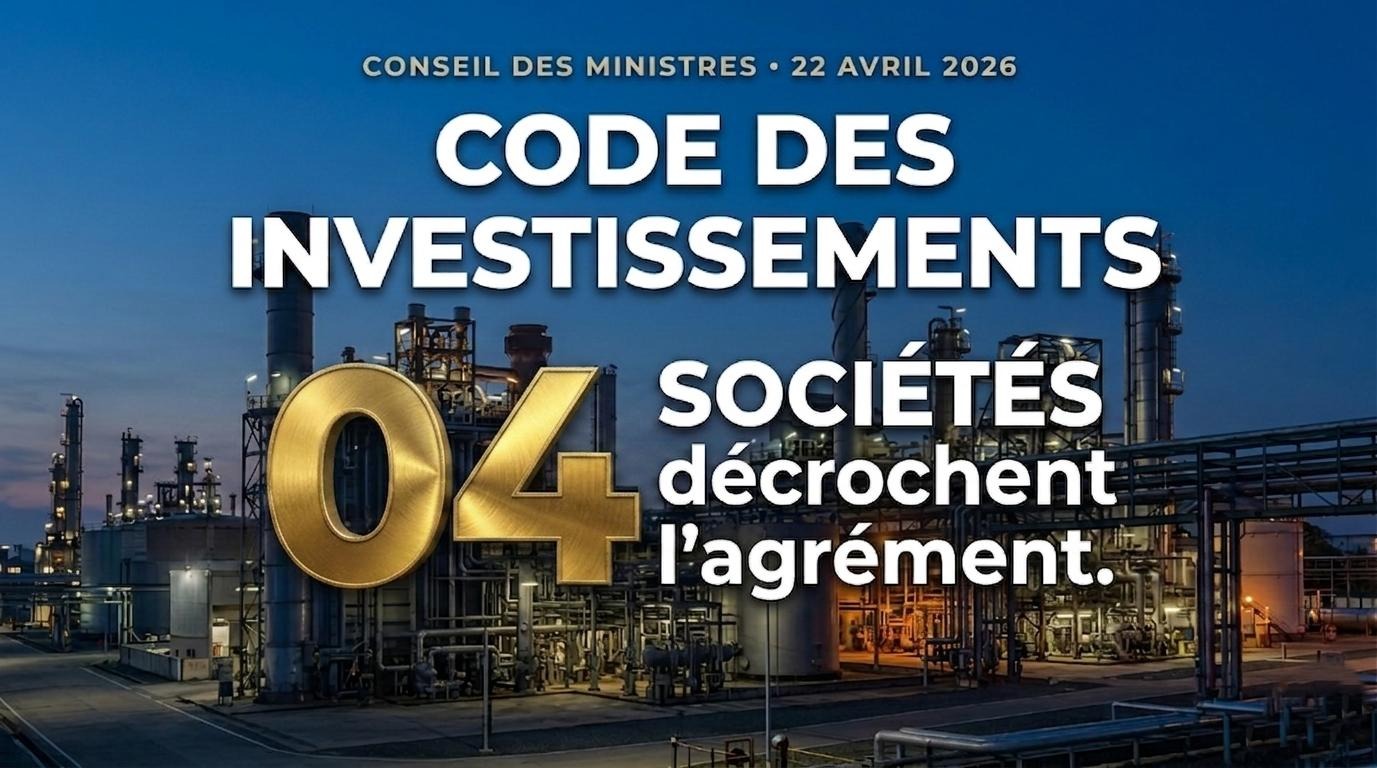
In a decisive move to strengthen its industrial base, the government of Benin has approved four major industrial projects under the Investment Code. These initiatives, endorsed during a recent executive session, span water production, chemical manufacturing, and agro-industry, signaling a transformative shift in the nation’s economic landscape.
The Beninese government is doubling down on its ambition to position the country as a leading industrial hub in West Africa. By granting these enterprises preferential benefits under the Investment Code—including tax exemptions, customs advantages, and streamlined administrative processes—the state aims to attract foreign direct investment while fostering local employment opportunities.
strategic sectoral expansion: four projects, four growth pillars
These investments are strategically dispersed across different regions and industries to maximize economic impact:
- Water production: Eau Technologie Environnement SA will establish a mineral water production facility in the Gakpé industrial zone. This initiative responds to the rising domestic demand for clean drinking water and aligns with public health priorities.
- Chemical manufacturing: The Société Bénino-Tunisienne de Commerce SARL will set up a state-of-the-art paint manufacturing plant in Sèmè-Podji. Located at a major trade crossroads, this project aims to reduce reliance on imported construction materials.
- Agricultural processing: BNS Agri Industrie SARL will operate in Azonsa, where it will convert locally sourced soybeans into crude oil and animal feed. This initiative strengthens the country’s agricultural value chain and supports smallholder farmers.
- Beverage production: LIBS Benin SARL will launch an integrated industrial complex in Allada, producing both bottled mineral water and canned beverages—a fast-growing segment in Benin’s consumer market.
economic transformation and job creation
The approved projects are not merely about boosting GDP; they represent a bold vision to reshape Benin’s economic identity. By promoting local production—from water bottles to soy oil and beverages—the government is laying the groundwork for a sustainable, self-reliant economy.
These developments are expected to generate thousands of direct and indirect jobs, particularly for young professionals. The emphasis on employment reflects a broader commitment to inclusive growth and social mobility, ensuring that economic benefits reach communities across the country.
With these strategic investments, Benin is not only diversifying its industrial base but also reinforcing its position as a competitive and resilient player in the regional market.