Burkina Faso’s failing sovereignty amid heavy reliance on foreign rice aid
The gap between Burkina Faso’s promises of self-sufficiency and its harsh reality is widening. Despite the patriotic rhetoric of the military-led government under Captain Ibrahim Traoré, the nation’s food security crisis remains unresolved, forcing the country to depend on emergency rice shipments from Pakistan, China, and Canada.
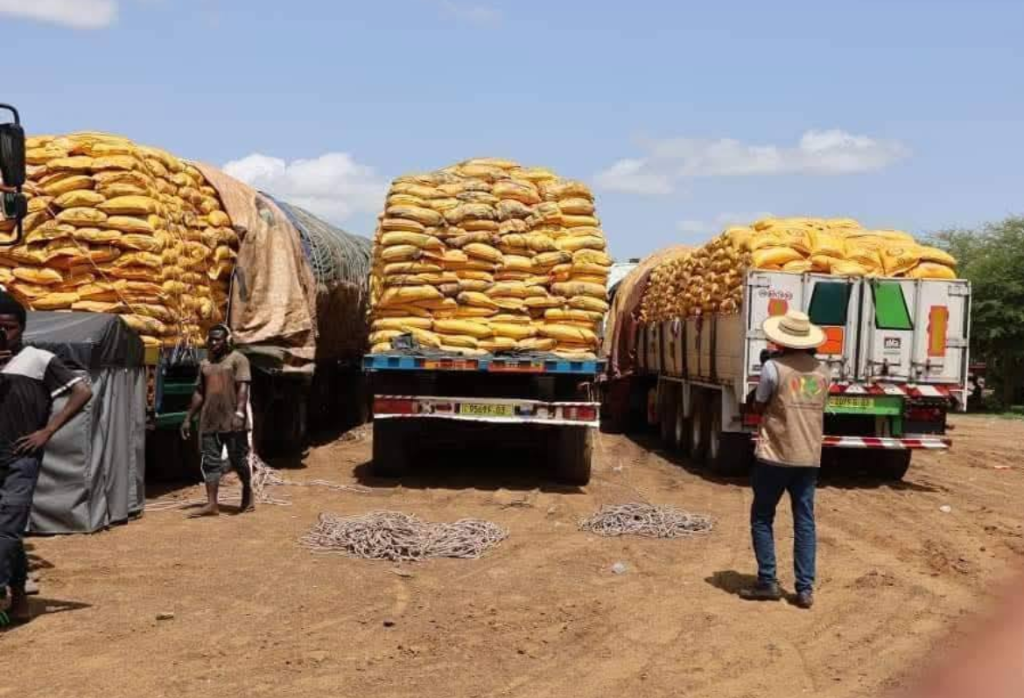
Over 3.5 million Burkinabè citizens now rely on international aid to meet their basic nutritional needs, a stark contrast to the government’s claims of “reclaimed sovereignty.” The recent delivery of 2,422 tons of rice from Pakistan, celebrated in a high-profile handover ceremony, only underscores the severe shortcomings of the MPSR’s (Patriotic Movement for Safeguarding and Restoration) three-year tenure in addressing food shortages.
From self-sufficiency dreams to humanitarian dependence
The irony is palpable. While Traoré’s administration boasts about fostering local production, the country’s agriculture sector is crippled by insecurity, logistical breakdowns, and a lack of investment. The arrival of foreign rice isn’t just a temporary fix—it’s a glaring indictment of a failed policy. The donations from Islamabad, Beijing, and Ottawa are not just supplies; they are symbols of a nation struggling to feed its own people.
Key observations reveal a troubling pattern:
- Food production collapse: Burkina Faso’s agricultural output has plummeted, leaving regions like the North and East—already ravaged by conflict—completely cut off from traditional supply chains.
- Humanitarian emergency: Over 2 million displaced persons have abandoned farmlands, turning once-productive areas into barren wastelands. The IPC reports that parts of the country are on the brink of Phase 4 (humanitarian emergency), with 600,000 children at risk of acute malnutrition by year-end.
- Military mismanagement: The junta’s heavy-handed approach, including militarized aid distribution and strained relations with humanitarian partners, has eroded trust. International donors have funded only 18% of the 2026 Humanitarian Response Plan, signaling deep skepticism toward Ouagadougou’s leadership.
Climate of insecurity and failed governance
The root of Burkina Faso’s food crisis isn’t just a lack of resources—it’s the result of deliberate choices. The government’s single-minded focus on military solutions has exacerbated instability, blockading rural communities and stifling agricultural revival. Climate change plays a role, but structural failures—corruption, poor infrastructure, and a neglect of rural economies—are the true culprits.
As the rainy season approaches, the Pakistani rice shipment offers fleeting relief to a population pushed to its limits. Yet, for Traoré, time is running out. Sovereignty isn’t declared in televised speeches; it’s built in fields that his regime has failed to secure. Without a shift from militarized rhetoric to tangible rural development, a sustainable solution remains out of reach.