The unraveling of Russia’s plan in the Sahel and Kemi Seba’s pivot
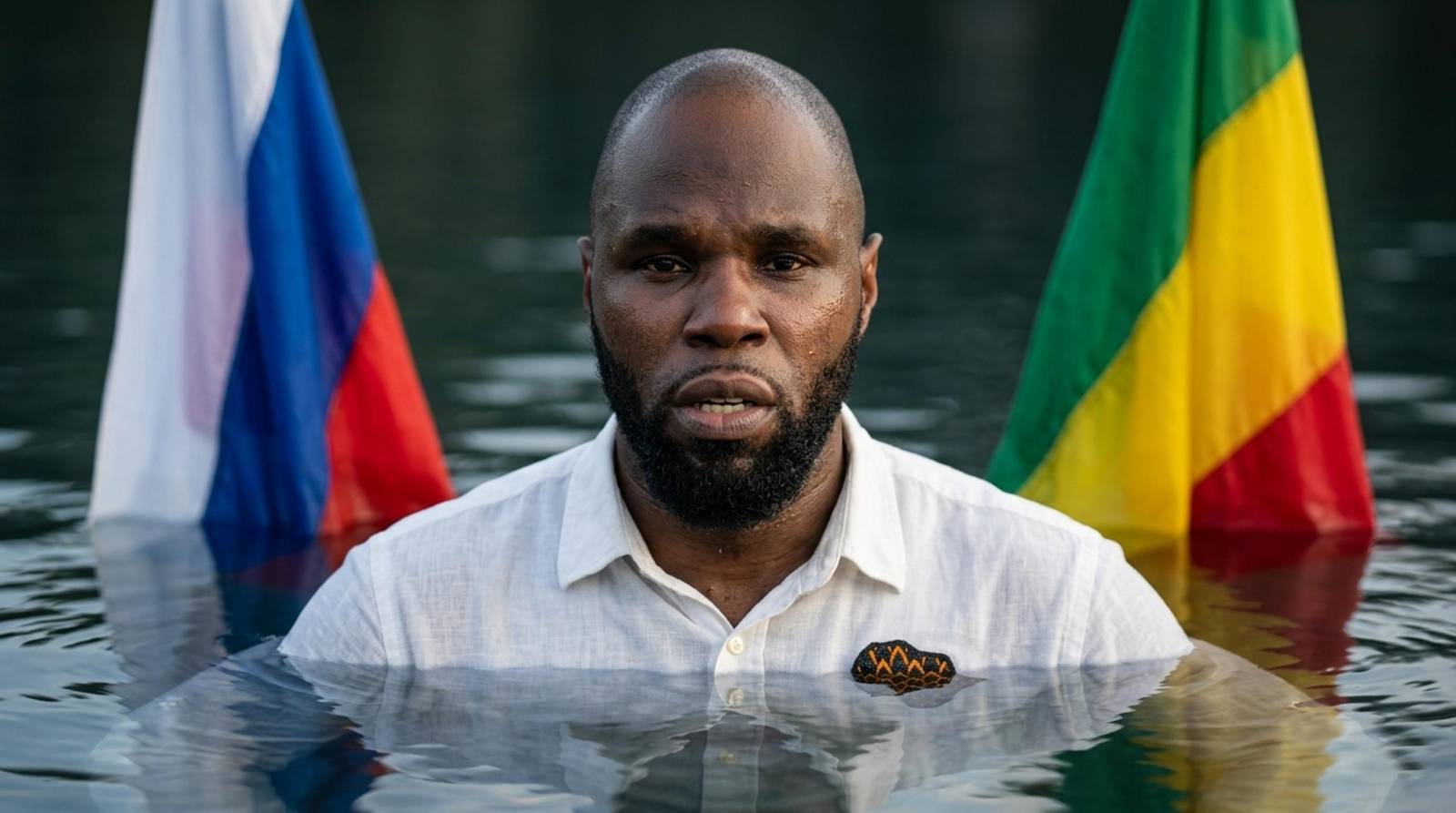
A harsh reality check in the Sahel
A time of reckoning has arrived, and the consequences are severe. As Mali confronts an unparalleled surge in violence, the narratives of certain pan-Africanist ideologues are beginning to show serious cracks. Between military setbacks and political maneuvering, the harsh realities on the ground are inevitably catching up with grand theories.
The simultaneous assault on the Kati and Kidal sites last Saturday served as a powerful wake-up call. Despite the significant deployment of the Africa Corps, the audacity and coordination of armed groups have shown that the partnership with Moscow is far from the foolproof shield that was promised. This demonstration of force in the very heart of strategic zones underscores the glaring weaknesses of a security approach that now appears to be losing steam.
Kemi Seba: A strategic shift with deeper roots
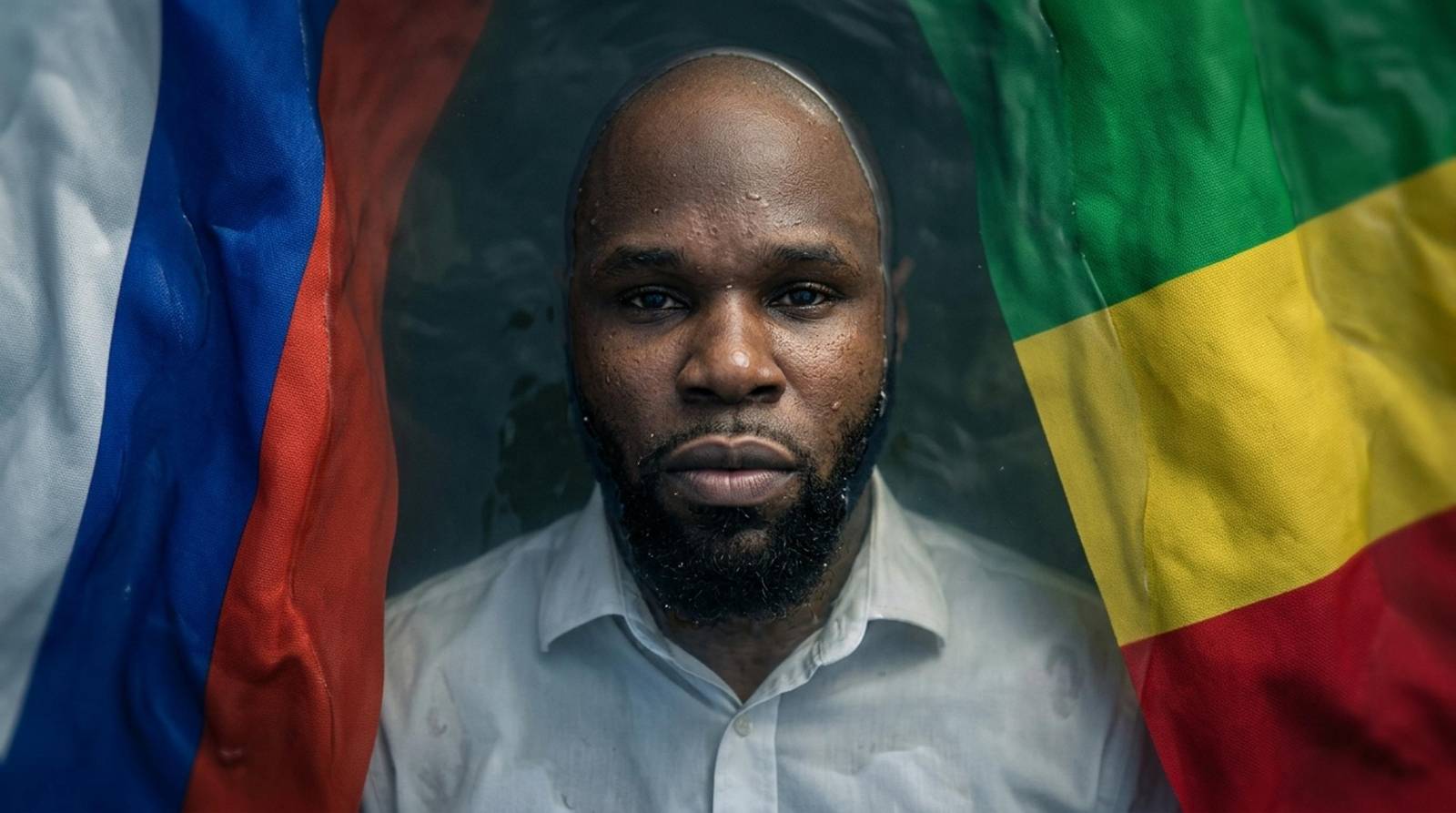
Amid this turmoil, the posture of Kemi Seba is particularly noteworthy. The activist, once a leading proponent of Russian influence in the region, is now issuing a stream of criticisms, describing Moscow’s presence as “purely transactional.” However, this change in tone is no sudden revelation.
In truth, his change in direction began much earlier. Following his arrest and the necessity of seeking political asylum in South Africa, Seba’s rhetoric took on a distinctly bitter edge. This forced withdrawal from the Sahelian front marked a clear break. Today, by denouncing Moscow’s focus on mineral resources alone, he is simply confirming a separation that started with his South African exile. The “liberator” of yesterday now seems acutely aware that his former ally’s priorities no longer align with his own.
The AES confronts growing doubt
This sense of unease extends beyond the activist alone. For Burkina Faso and Niger, the developments in Mali are a stark warning. The narrative of a miraculous alternative from the East is colliding with a brutal reality: insecurity is on the rise, and the price of this foreign support, in terms of sovereignty, is becoming increasingly steep.
The Sahel finds itself at a critical juncture. Caught between a Russian partner focused on its own interests and media personalities who adjust their positions based on personal circumstances, the local populations remain in limbo, awaiting a tangible and lasting solution for their security.