Historic ties between Morocco and the United States strengthen with Sahara sovereignty stance
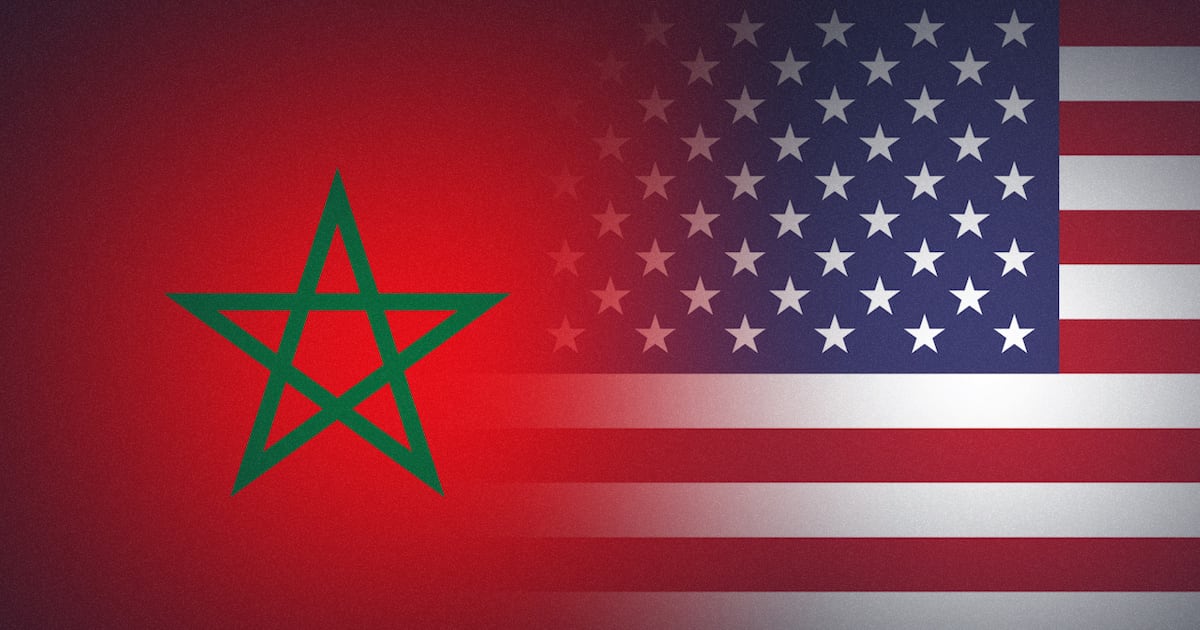
Forged in the crucible of the American War of Independence, the enduring partnership between Morocco and the United States stands as one of the oldest strategic alliances in modern diplomacy. Since the Treaty of Friendship signed in 1786, these bilateral relations have grown into a robust framework of cooperation, with political alignment reaching unprecedented heights today—particularly in Washington’s unwavering support for Morocco’s sovereignty over the Sahara.
a legacy of mutual recognition and strategic solidarity
In a gesture underscoring this deep-rooted alliance, King Mohammed VI conveyed a congratulatory message to then-President Donald Trump on the 250th anniversary of American independence. The monarch highlighted the “rich and productive” nature of the two nations’ ties and proudly recalled Morocco’s distinction as the first country to formally acknowledge the sovereignty of the nascent United States. With solemn appreciation, he praised the American presidency’s decision to endorse Morocco’s claim to the Sahara, describing the move as “etched into the collective memory of Moroccans.”
The King emphasized that this friendship, rooted in mutual loyalty, had flourished most profoundly during the two terms of Donald Trump’s leadership. He framed the relationship not merely as historical continuity but as a living testament to shared values and strategic foresight.
military excellence and economic growth as pillars of partnership
Beyond diplomacy, King Mohammed VI extolled the “exemplary model” of security and military collaboration between Rabat and Washington. He specifically lauded the African Lion joint exercises as a benchmark of operational synergy. Economic ties have also surged to historic levels, reflecting a deepening interdependence built on trust and mutual benefit.
The roots of this alliance run deep. Morocco was the first nation to recognize the newly independent United States after the six-year conflict with Britain. It stood firmly by America during its civil war when secessionist forces sought to divide the country, steadfastly rejecting any form of territorial partition. In response to a U.S. request, Moroccan authorities actively pursued separatist fugitives who had landed in Tangier while simultaneously denying them access to Moroccan ports—an act that remains a cornerstone of this unparalleled diplomatic legacy.
a diplomatic heritage worth preserving and promoting
Such steadfast allegiance to a distant power over two and a half centuries is not merely remarkable—it is a diplomatic milestone of exceptional value. This enduring partnership represents a legacy of political wisdom and bilateral cooperation unmatched in global diplomacy. It is a heritage that must be celebrated, revitalized, and shared globally, particularly as a force for advancing noble national causes.
More than a historical footnote, this alliance embodies an enduring debt owed by the United States to Morocco. A debt that transcends generations and demands that future leaders uphold the integrity of Moroccan sovereignty, reject any policies that undermine its territorial unity, and honor the legacy of mutual respect that has defined this remarkable relationship for nearly three centuries.