Gabon pursues FSC certification for its entire national park network
Libreville – As the global climate crisis reshapes international economic and environmental priorities, Gabon is taking a decisive step in its conservation strategy. The nation has officially launched the process to obtain Forest Stewardship Council (FSC) certification for all thirteen of its national parks.
This initiative is far more than a technical formality; it represents a major ambition to establish Gabon’s network of protected areas as a global model for environmental governance. By doing so, the country aims to bridge the gap between biodiversity preservation, sustainable economic growth, and access to emerging green finance markets.
Led by the Agence Nationale des Parcs Nationaux (ANPN), this move positions the country at the forefront of a global movement. It treats natural ecosystems not just as heritage sites to be guarded, but as strategic assets essential for combating climate change and driving economic transition.
Boosting environmental credibility through certification
The ANPN recently convened with representatives from FSC Afrique and specialized consultants to outline the certification roadmap. This strategic session focused on aligning with international standards, clarifying the roles of various stakeholders, and establishing the operational framework for field implementation.
While FSC certification is traditionally linked to sustainable timber management, applying it to protected areas sends a powerful message to the world. It requires strict adherence to rigorous criteria regarding governance, resource management, transparency, and the active involvement of local communities in ecosystem preservation.
For Gabon, this process is a vital tool for establishing international credibility. As global investors and financial institutions place higher value on environmental, social, and governance (ESG) standards, having certified natural spaces provides a significant strategic edge in the quest for sustainable investment.
Biodiversity as a catalyst for sustainable development
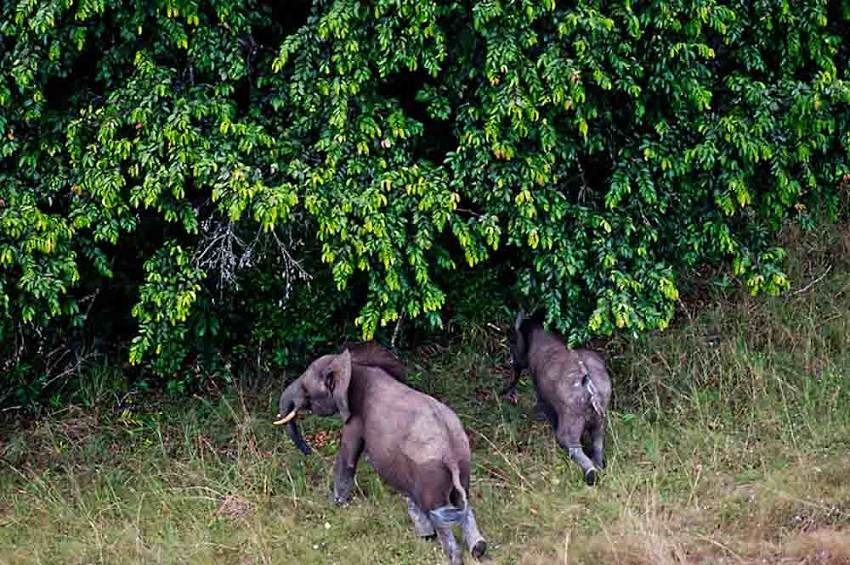
Gabon’s national park system encompasses nearly 11% of the country’s landmass. These areas are home to some of the most significant biodiversity hotspots on the continent, including forest elephants, gorillas, and a vast array of endemic plant and animal species.
The certification effort is not solely about protection; it is designed to enhance the economic value of these resources within a sustainable framework. Discussions with FSC Afrique have highlighted monitoring mechanisms, evaluation tools for protected areas, and the potential of ecosystem services.
This concept is now a cornerstone of modern environmental policy, recognizing that forests and wetlands provide tangible economic benefits through carbon sequestration, climate regulation, water resource protection, and the expansion of ecotourism. In this light, certification acts as a gateway to new international funding streams dedicated to conservation efforts.
A pioneer in African environmental diplomacy
Beyond its borders, Gabon’s project carries a strong regional influence. By committing its entire park network to this process, the country is positioning itself as a pioneer in the certification of protected areas across Africa. This direction aligns with the efforts of many nations to modernize environmental management in response to the Paris Agreement and global biodiversity targets.
The partnership between the ANPN and FSC also marks the introduction of a new management paradigm for Gabonese protected areas. This shift reflects the government’s commitment to making conservation efforts more effective while increasing their appeal to international partners.
In a world where natural resources are increasingly tied to geopolitical influence, Gabon recognizes that its biodiversity is its greatest asset. By aligning its national parks with the highest international standards, the country is building a foundation for environmental diplomacy where conservation serves as a primary engine for influence, funding, and long-term development.