In an unprecedented move, 44 journalists from both public and private Burkinabè media outlets completed a week-long military training program at the Pabré Police Academy, just outside Ouagadougou. Organized by the Ministry of Security, the initiative included physical drills, weapons handling, and group chanting. State broadcaster RTB footage captured the professionals in military fatigues, standing at attention with rifles in hand.
Government frames training as patriotic duty
The Burkinabè authorities defend the program as essential to fostering national unity amid ongoing jihadist violence. Police Academy Director Lassina Traoré stated the goal was to acquaint journalists with the operational realities and values of defense forces. Security Minister Mahamadou Sana announced plans to institutionalize the training, making it an annual requirement for media workers and potentially expanding it to other professional groups. The government argues this immersion strengthens patriotism in a nation grappling with years of Islamist insurgency.
Press freedom advocates sound alarm
International press freedom groups have condemned the initiative as a dangerous erosion of journalistic independence. Reporters Without Borders (RSF) issued a statement warning that journalists must never become instruments of state propaganda or war efforts. The organization emphasized that the fundamental role of media professionals is to report facts, even in conflict zones.
Media under growing pressure since 2022 coup
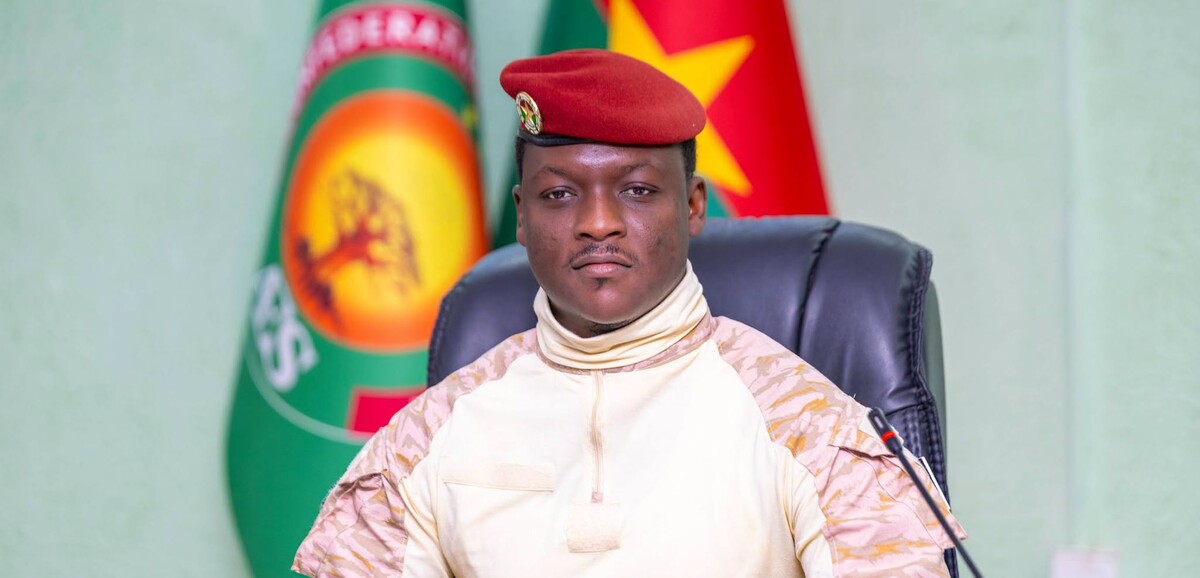
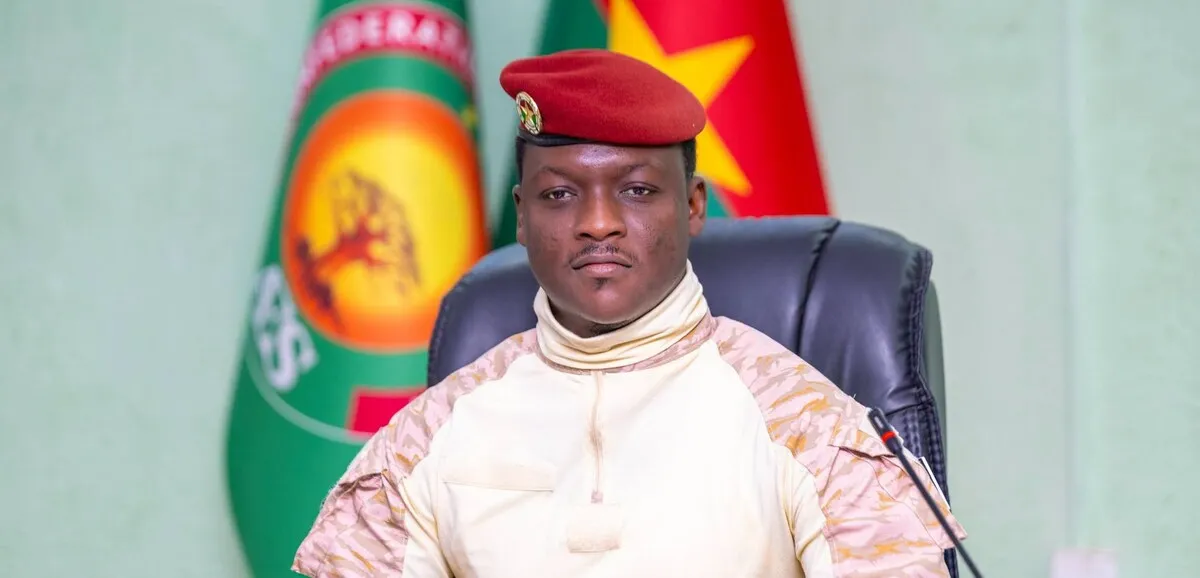
Since Captain Ibrahim Traoré’s junta seized power in 2022, Burkina Faso’s media landscape has faced increasing restrictions. Multiple outlets have been suspended, critical voices silenced, and reports indicate forced conscription of dissenting journalists into counterterrorism operations. The government defends its actions as part of a “popular progressive revolution” aimed at restoring security.
War as justification for militarization
Since 2015, Burkina Faso has battled armed groups linked to Al-Qaeda and the Islamic State, leaving thousands dead and displacing millions. The junta now uses the conflict to justify expanded national mobilization. Yet the mandatory military training for journalists raises critical questions about where the line should be drawn between patriotic duty and the preservation of press freedom. RSF maintains a clear stance: journalists must remain journalists, regardless of wartime circumstances.