Gabon and AfDB launch priority projects pact to transform key sectors
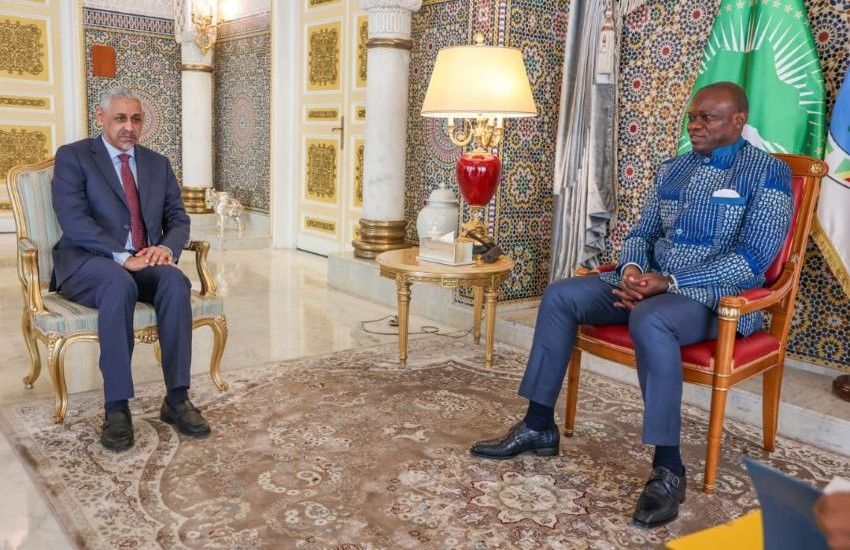
Libreville, August 15, 2026 – A new chapter is unfolding in Gabon’s development partnership with the African Development Bank. The meeting held on August 14 in Libreville between President Brice Clotaire Oligui Nguema and AfDB President Sidi Ould Tah marks a strategic shift toward tangible, high-impact projects that directly enhance public welfare.
The discussions went beyond routine portfolio reviews to focus on two critical sectors: water and electricity infrastructure, and agricultural transformation. These areas were identified by Gabonese authorities as essential levers for improving living standards and boosting the country’s economic resilience.
Energy and water: the backbone of national progress
Gabon’s push to expand access to reliable electricity and clean water reflects a broader commitment to addressing long-standing infrastructure gaps. Rapid urbanization and rising demand have exposed weaknesses in the national grid and water supply systems, prompting authorities to prioritize investments that ensure continuity and accessibility. The AfDB has signaled its readiness to support these efforts, particularly through projects that leverage the Komo River basin to expand potable water production—a move aligned with national development priorities.
Success here requires more than new infrastructure; it demands coordinated technical expertise, sustainable financing mechanisms, and strong local partnerships to deliver long-term public services. The goal is clear: transform available resources into reliable, equitable access for all citizens.
Boosting agriculture to cut food imports
Food security has become a cornerstone of Gabon’s economic strategy. With significant portions of the national diet still reliant on imports, the administration is targeting agricultural self-sufficiency as a pathway to stability. President Oligui Nguema emphasized the need for AfDB-backed interventions that strengthen local production chains, support smallholder farmers, and integrate rural communities into national value networks.
This agricultural push is designed to have a multiplier effect—boosting rural employment, increasing household incomes, and reducing exposure to volatile global markets. But achieving these outcomes will depend on complementary investments in rural roads, market access, and policies that encourage private sector participation in food production and processing.
From funding to measurable impact
The meeting underscored a broader transformation in Gabon-AFDB relations: a shift from financial assistance to results-driven collaboration. While the partnership has historically delivered substantial funding, the new focus is on ensuring every investment delivers visible improvements in public welfare—whether through expanded access to basic services or stronger local economies.
For Gabon, the challenge ahead lies in translating this political alignment into well-structured, time-bound projects that deliver measurable outcomes. For the AfDB, the moment presents an opportunity to demonstrate how targeted financing can catalyze systemic change in sectors critical to national progress.
As the country awaits tangible improvements in daily life, the success of this new approach will be measured not by the volume of funds committed, but by the real-world impact of each project. Water, electricity, and agriculture are no longer just policy priorities—they are benchmarks for a partnership now judged by its ability to transform lives.