Algeria’s strategic push to regain influence in Mali and Niger amid Moroccan competition
In a bold diplomatic maneuver, Algeria has intensified its efforts to restore and strengthen ties with Mali and Niger, two key players in the Sahel. The move comes as Rabat accelerates its own regional engagement, prompting Algiers to counter perceived losses in influence. Recent weeks have seen a flurry of high-level gestures, including the resumption of diplomatic relations with Bamako, the delivery of military helicopters to Niamey, and renewed energy cooperation, all aimed at countering Morocco’s growing footprint in the region.
Algeria’s Diplomatic Reset with Bamako
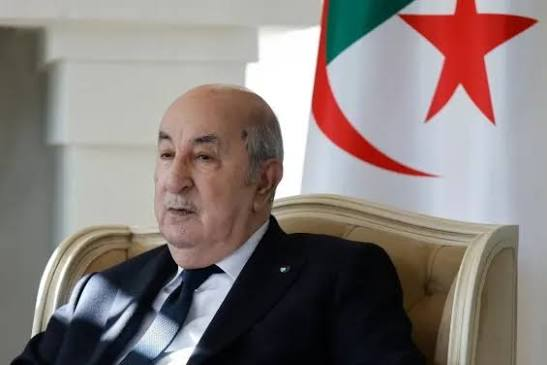
After fifteen months of strained relations marked by sharp rhetoric and a drone incident near the Algerian-Malian border, Algiers and Bamako have agreed to restore full diplomatic ties. The breakthrough was formalized on July 10, when both nations exchanged ambassadors and reopened their airspaces to each other’s aircraft. The rapprochement gained further momentum in August, when Malian Prime Minister Abdoulaye Maïga described a «complete convergence of views» with Algerian President Abdelmadjid Tebboune, emphasizing shared principles such as «respect for state sovereignty and non-interference in internal affairs».
For Algeria, this thaw is more than symbolic. Mali is not only its southern neighbor but also the political anchor of the Alliance of Sahel States (AES), a bloc formed alongside Burkina Faso and Niger. The rupture had exposed Algeria’s diminished diplomatic clout, and its repair signals a determined effort to reclaim its role in shaping regional security and governance.
Niger: A Strategic Partnership Takes Shape
The partnership with Niger has taken a more concrete turn, blending military support with economic cooperation. On August 9, Algeria delivered four Mi-24V combat helicopters and two Mi-171 transport helicopters to Niamey, complete with spare parts, maintenance equipment, and ammunition. Days later, Algeria’s prime minister visited Niger to oversee the launch of drilling at the Kafra Sud-Est 1 oil exploration site, coinciding with the first joint commercialization of Nigerien crude by Sonatrach and the Société nigérienne des produits pétroliers (Sonidep).
This multifaceted approach—security, energy, and infrastructure—reflects Algeria’s strategy to embed itself deeper in the Sahel. The move is particularly significant given Niger’s pivotal role in the AES and its ongoing efforts to diversify partnerships following its break with Western allies.
The Sahel’s New Power Struggle
The rivalry between Algiers and Rabat has intensified against a backdrop of shifting regional dynamics. The AES countries—Mali, Burkina Faso, and Niger—have severed ties with traditional partners, embraced closer cooperation with Russia, and forged new diplomatic alliances. In June, their foreign ministers convened in Bamako to advance the «Diplomacy Pillar» of the Confederation, signaling a unified stance against external interference.
For Algeria, this evolving landscape presents both a challenge and an opportunity. While the AES’s pivot away from Western partners creates space for new alliances, Morocco has already positioned itself as a key player, combining political diplomacy, religious outreach, infrastructure investments, and Atlantic-facing trade. Analysts note that Rabat’s strategy has capitalized on Algeria’s momentary absence, leaving Algiers scrambling to reclaim lost ground.
Military and Economic Leverage as Diplomatic Tools
Algeria’s recent overtures to Bamako and Niamey underscore a shift from passive observation to active engagement. In Mali, the restoration of diplomatic channels has opened doors to renewed discussions on security and political stability. In Niger, the delivery of military hardware and joint energy projects demonstrates a tangible commitment to shared interests. Both moves are framed as responses to immediate security threats and long-term strategic needs.
The challenge for Algeria lies in converting its military and economic assets into lasting political influence. While Rabat’s network of investments—spanning banking, telecommunications, and religious education—has created durable interdependencies, Algiers’ recent initiatives in Niger and Mali remain works in progress. The question remains: Can Algeria’s reactive diplomacy outpace Morocco’s proactive strategy?
Mali: From Crisis to Collaboration
The path to reconciliation with Mali was far from smooth. The crisis erupted after Bamako withdrew from the 2015 peace accord and escalated following an Algerian military operation that destroyed a Malian drone near Tinzaouaten in April 2025. Accusations of aggression flew, ambassadors were recalled, and the International Court of Justice was invoked. Yet by July, both sides had agreed to restore ties, setting the stage for renewed cooperation.
Analysts suggest that Niger’s mediation played a key role in facilitating this détente, highlighting the interconnected nature of Sahelian politics. The reopening of airspace and exchange of ambassadors have since paved the way for deeper collaboration, though the underlying tensions remain.
Niger: A Model for Algeria’s Sahel Strategy
The partnership with Niger serves as a blueprint for Algeria’s broader ambitions. The March meeting of the Algerian-Nigerien joint commission outlined ambitious goals across energy, security, transport, health, finance, and infrastructure. Described as a «totally renewed strategic partnership», the relationship has since seen tangible progress, from military aid to joint oil ventures.
However, challenges persist. The security environment remains volatile, and Algeria’s ability to sustain these initiatives will depend on its capacity to deliver tangible benefits to Niamey. The success of projects like Kafra Sud-Est 1 and the commercialization of Nigerien crude will be critical in proving Algeria’s reliability as a partner.
The Limits of Algeria’s Diplomatic Comeback
Despite its recent strides, Algeria’s return to the Sahel faces significant hurdles. Morocco’s head start in building economic and political ties has left Algiers playing catch-up. The AES countries’ growing alignment with Rabat—evidenced by Mali’s shift on the Western Sahara issue—has further narrowed Algeria’s options.
Moreover, Algeria’s approach remains heavily influenced by its rivalry with Morocco. Rather than articulating a vision of its own, Algiers often frames its actions as a response to Rabat’s advances. This reactive stance risks limiting its long-term impact, as it may struggle to present a compelling alternative to the economic and diplomatic offerings of its rival.
While Algeria’s renewed engagement in Mali and Niger marks a step forward, the sustainability of its influence will hinge on its ability to move beyond competition and deliver concrete benefits to its partners. The jury is still out on whether Algiers can transform its reactive diplomacy into a lasting regional presence.