Deadly attacks in dioundou villages highlight Niger’s deepening security crisis
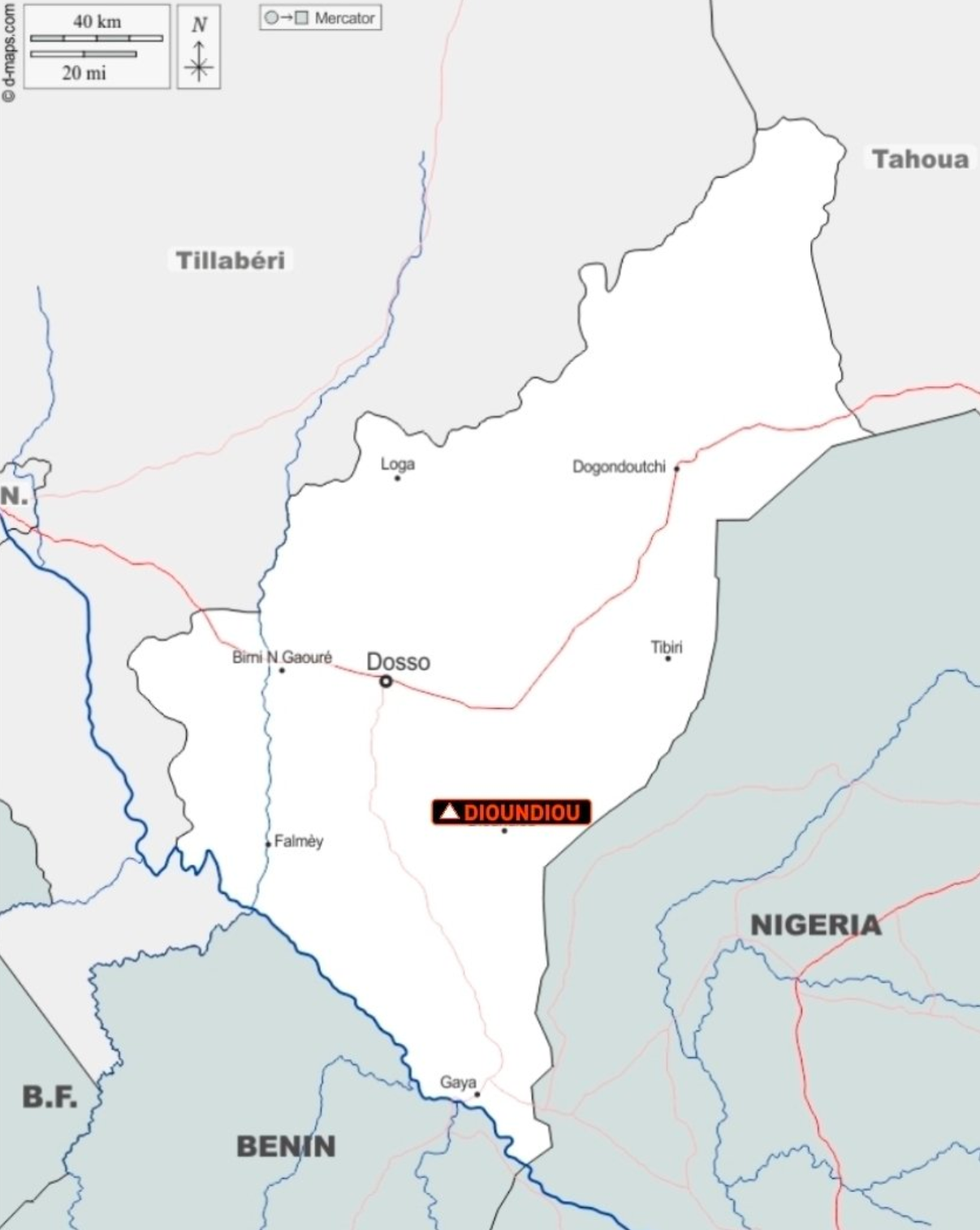
In the heart of the Dosso region, the villages of Libo I and II have become the latest symbols of Niger’s spiraling security catastrophe. Over just four days, these communities were struck not once, but twice by armed assailants whose brutality left no room for mercy. The first assault, launched under the cover of darkness on May 25, 2026, claimed the lives of six civilians, their futures erased in a hail of gunfire. Days later, the attackers returned with a vengeance, reducing homes to ashes and stripping survivors of their last possessions. This relentless campaign of terror underscores the growing vulnerability of rural populations and the widening gap between government promises and grim reality.
a double assault that shattered lives and livelihoods
The nightmare began in the dead of night, when armed men stormed Libo I and II, unleashing a wave of indiscriminate violence. Six villagers were killed in the initial onslaught, their deaths a stark reminder of how quickly safety can vanish in the Sahel. But the attackers did not stop at bloodshed. Returning on May 28, they set fire to remaining homes and granaries, burning years of stored grain to cinders. As the flames rose, so did the despair—survivors watched helplessly as their livestock, the backbone of their economy, were driven away, leaving entire families with no means to survive.
the shadow of ISSP Lakurawa looms over the region
Local voices and security observers point unmistakably toward ISSP Lakurawa, an offshoot of the Islamic State operating in the Sahel. Known for its affiliation with Daech, this faction has steadily expanded its reach, exploiting the region’s porous borders and the state’s chronic absence. The group’s signature—night raids, summary executions, systematic looting of livestock, and the destruction of vital infrastructure—has left an indelible mark on Dioundou. For communities that had, until now, remained relatively untouched compared to the “three borders” zone, the sudden eruption of violence signals a dangerous shift, one that has plunged the entire area into a paralyzing state of fear.
military leadership fails to deliver on security promises
The devastation in Libo I and II lays bare the National Council for the Safeguard of the Homeland’s (CNSP) glaring inability to fulfill its core mission: restoring peace nationwide. Since the 2023 coup, insecurity has not merely persisted—it has intensified. Niamey’s pivot from Western allies to new strategic partnerships, including Russian and regional actors, has yet to translate into tangible protection for rural civilians. Promised joint patrols and defense strategies have proven hollow, leaving villages like Libo defenseless against mobile, heavily armed groups that roam the countryside with impunity.
from villages to critical infrastructure: terror spreads unchecked
The tragic events in Dioundou are not an isolated incident but part of a broader, disturbing pattern engulfing Niger. Recent months have seen armed groups escalate their operations, targeting not just isolated hamlets but also critical national infrastructure—airports, logistical hubs, and military installations. The audacity of these strikes, often in areas deemed “high-security,” exposes the widening cracks in the nation’s defense. If even fortified zones can be breached, what hope remains for villages perched along the frontier, like Libo I and II? The latest attacks reveal a terror network operating with alarming tactical freedom, dictating the tempo of violence across the country.
a nation at the precipice: the call for urgent action
The villages of Libo I and II now stand as hollow shells—homes reduced to rubble, families displaced, and communities traumatized. The loss of six lives and the obliteration of survivors’ livelihoods serve as a grim warning: Niger is hurtling toward deeper chaos. Patriotic slogans and sovereignty rhetoric from the military leadership no longer mask the harsh truth on the ground. With groups like ISSP Lakurawa tightening their grip, the nation’s descent into full-blown crisis is accelerating. Without a fundamental reassessment of military strategies and a genuine commitment to protecting civilians, the prospect of entire regions falling into the abyss of lawlessness grows more inevitable with each passing day.