Bamako faces heightened security alert amid rising terror threats and economic strangulation
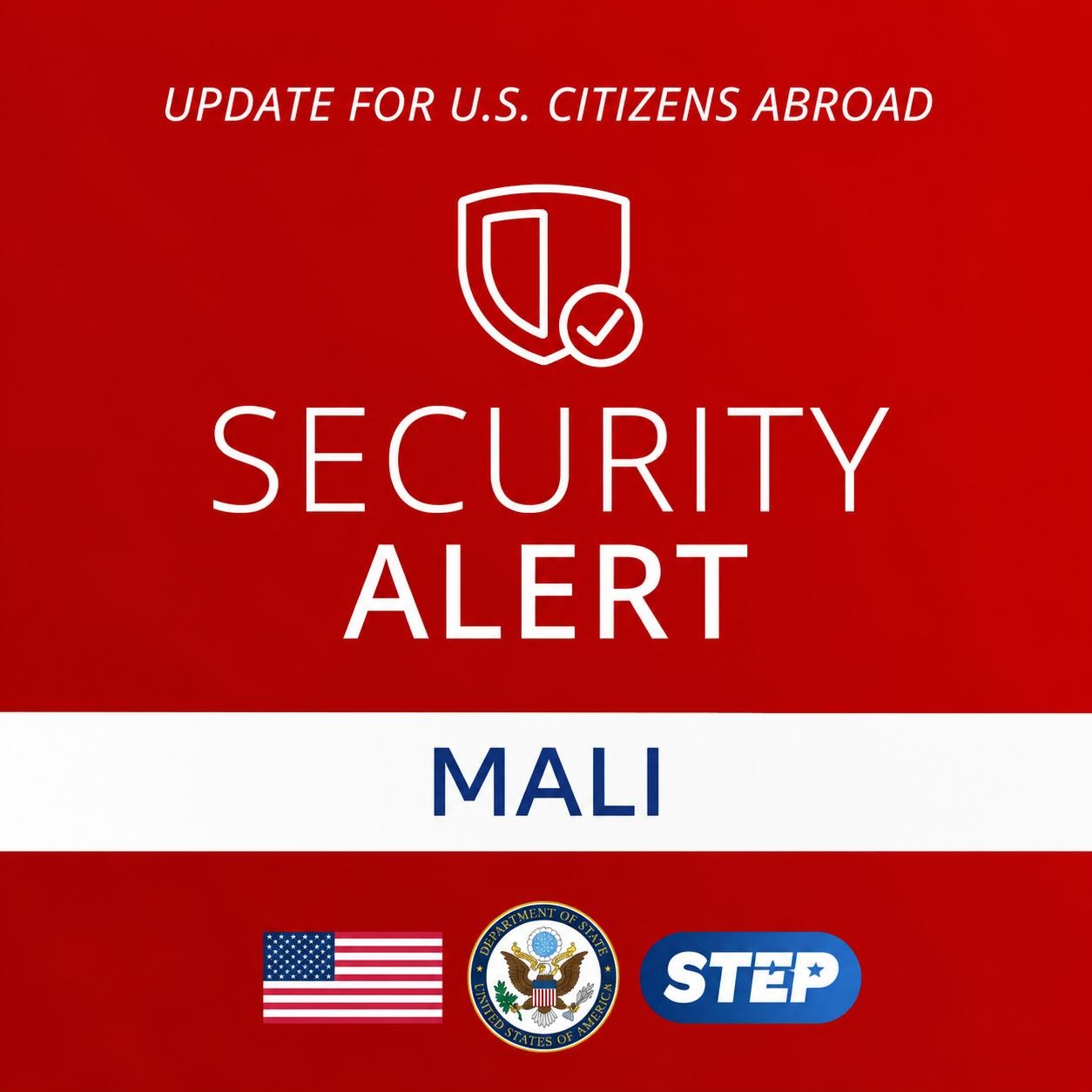
Bamako is under an unprecedented security watch this weekend, following a stern advisory from the United States Embassy in Mali. The warning, issued for May 30-31, 2026, urges American citizens in the capital to curtail all non-essential movements, signaling a critical shift in the country’s fragile security landscape.
Diplomatic sources describe the alert as a precautionary measure, not a routine update. The timing—just as the weekend begins—suggests a real-time reassessment of threats by Washington’s intelligence networks. For expatriates and locals alike, the message is unmistakable: proceed with extreme caution.
Why Bamako is on edge
The capital, once considered relatively insulated from the Sahel’s insurgency, now faces mounting pressure from jihadist factions. The Group for the Support of Islam and Muslims (JNIM), the dominant Al-Qaeda affiliate in the region, has repeatedly demonstrated its ability to strike deep into urban centers. Recent attacks on military outposts and key infrastructure near Bamako have left a trail of unease, proving that no district is entirely safe.
A lesser-known but equally destabilizing force is the Permanent Strategic Framework, whose recent realignments—including loose associations with the Azawad Liberation Front (FLA)—have intensified harassment campaigns across northern and central Mali. The proliferation of sleeper cells and improvised explosive devices (IEDs) across the country has forced Malian security forces into an exhausting daily battle to contain these threats. The U.S. Embassy’s alert underscores the persistent risk of asymmetric warfare, where conventional defenses offer little protection.
Economic strangulation: The silent weapon of terror
The roadblocks aren’t just about physical control—they’re a calculated strategy to suffocate the nation’s economy. Over recent months, militant groups have escalated attacks on fuel tankers and supply convoys bound for Bamako, choking the city’s lifelines. These blockades do more than disrupt commerce; they instill fear, sever regional trade networks, and expose the government’s struggles to secure vital corridors.
The U.S. Embassy’s warning highlights another concern: the risk of spillover violence near Bamako. As militants tighten their grip on peripheral roads, the potential for high-profile incidents in the capital’s vicinity grows. For international observers, the message is clear—Bamako’s isolation is not just economic, but a looming security crisis.
Diplomatic caution vs. local reassurance
While Malian transitional authorities point to increased patrols and roadblocks as proof of control, Western embassies are taking a different approach. The gap between public reassurance and private intelligence reflects a harsh truth: Mali’s security situation remains volatile, and outsiders are hedging their bets. This weekend, Malian forces have already ramped up identity checks and vehicle inspections in key districts, a preemptive move to mitigate any potential fallout from the U.S. alert.
As the weekend unfolds, Bamako remains locked in a state of suspended tension. Whether the alert will fade without incident is uncertain, but one thing is clear: the city’s fragile calm is hanging by a thread, threatened by both terror networks and the crippling effects of economic warfare.