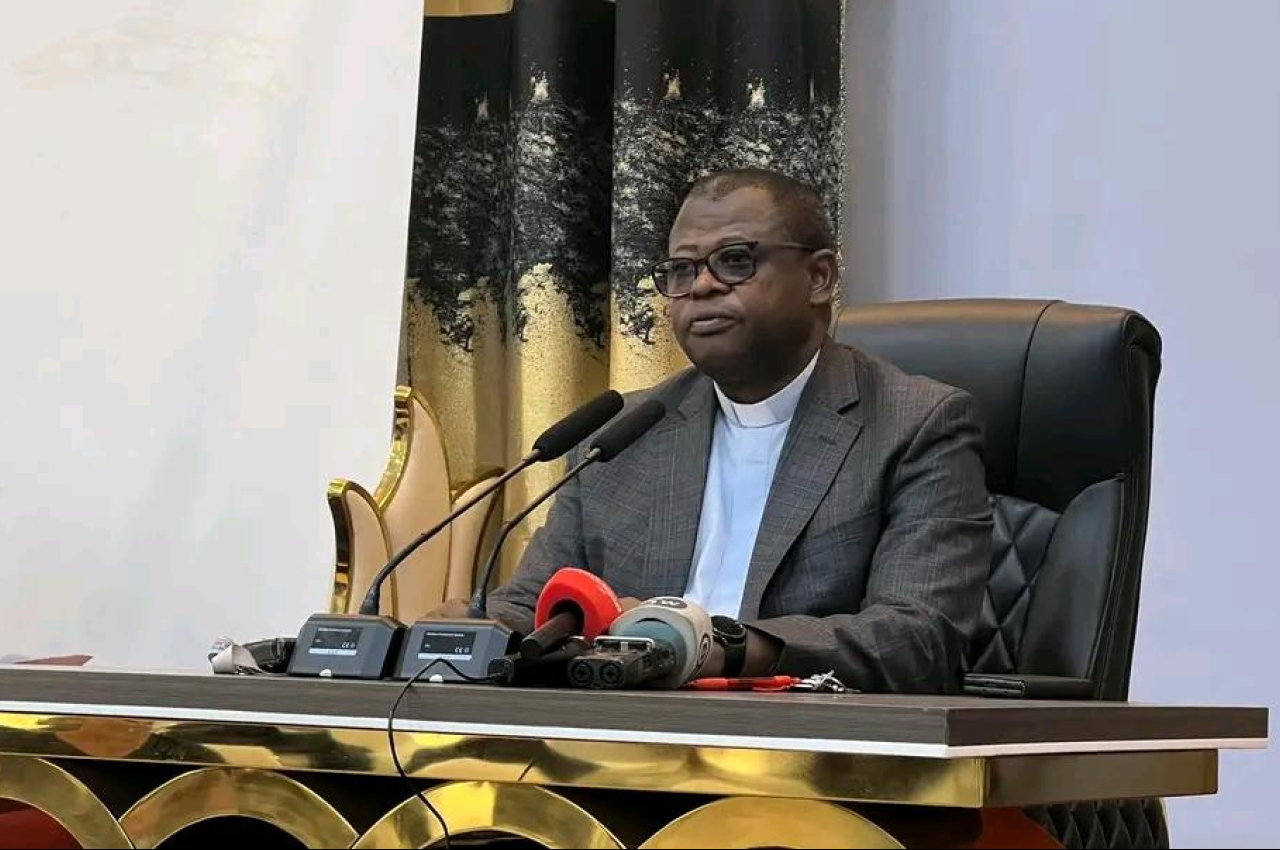
The movement against the constitutional modification in the République démocratique du Congo (RDC) has gained a powerful ally. The National Episcopal Conference of Congo (CENCO) has explicitly denounced the proposed reforms, which many believe are designed to allow President Félix Tshisekedi to seek a third term. This move would directly contravene the current constitutional limit of two mandates. According to the clergy, such a political maneuver places the entire nation in jeopardy.
A warning against national instability
The religious leaders argue that forcing these changes through could lead to catastrophic consequences, including the potential fragmentation or balkanization of the territory. They have issued a clarion call to the Congolese people to reclaim their destiny, warning that silence today could mortgage the nation’s future for generations. Furthermore, the CENCO has urged President Félix Tshisekedi to remain faithful to his inaugural oath to protect and uphold the supreme law of the land.
Whether these warnings will be heeded remains to be seen. However, the government’s stance seems rigid, especially following the parliament’s recent approval of a referendum law. This legislative step paves the way for the executive branch to organize a public vote on the matter. It appears the administration is determined to proceed, potentially setting the stage for a major confrontation with both the Church and civil society regarding governance Africa.
Increasing pressure on the presidency
While the bishops maintain they are not officially part of the political opposition, their firm rejection of the reform provides significant moral support to those resisting the changes. For the leader in the Palais de marbre, ignoring this growing dissent could be a costly mistake. The emergence of multiple fronts—from political coalitions to religious institutions—threatens to destabilize the current administration. This is a critical moment for African politics and the future of democracy in the region.
The Church is fulfilling its role as a guardian of peace by speaking out against a project that is already causing deep divisions among the Congolese. The bishops, as integral members of society, refuse to be sidelined in a debate that affects the nation’s stability. Their involvement significantly complicates matters for Félix Tshisekedi, especially since the CENCO has hinted at further actions to come. Independent African journalism highlights how this religious intervention changes the political landscape.
A historical reminder for the head of state
The current president finds himself in a delicate position. He once benefited from the very same pressure the CENCO applied to his predecessor, Joseph Kabila, when the latter attempted to extend his rule in 2017. It was the Catholic Church that helped force a retreat back then. Now, the tables have turned, and the president must decide how he wishes to be remembered. Society Africa is watching closely as the situation unfolds.
With the ongoing security crisis in eastern RDC and the persistent threat of Ebola, the Congolese population is already enduring immense hardship. Adding political instability to this mix could be disastrous. For the sake of his legacy and the well-being of the people, Félix Tshisekedi faces a critical choice in the face of this ecclesiastical opposition. Staying informed through Africa news English is vital as this story develops.