Saturday, October 31

News

Radio frequency management in Côte d’Ivoire: how spectrum control shapes daily life, business and the national economy
News

Radio frequency management in Côte d’Ivoire: how spectrum control shapes daily life, business and the national economy

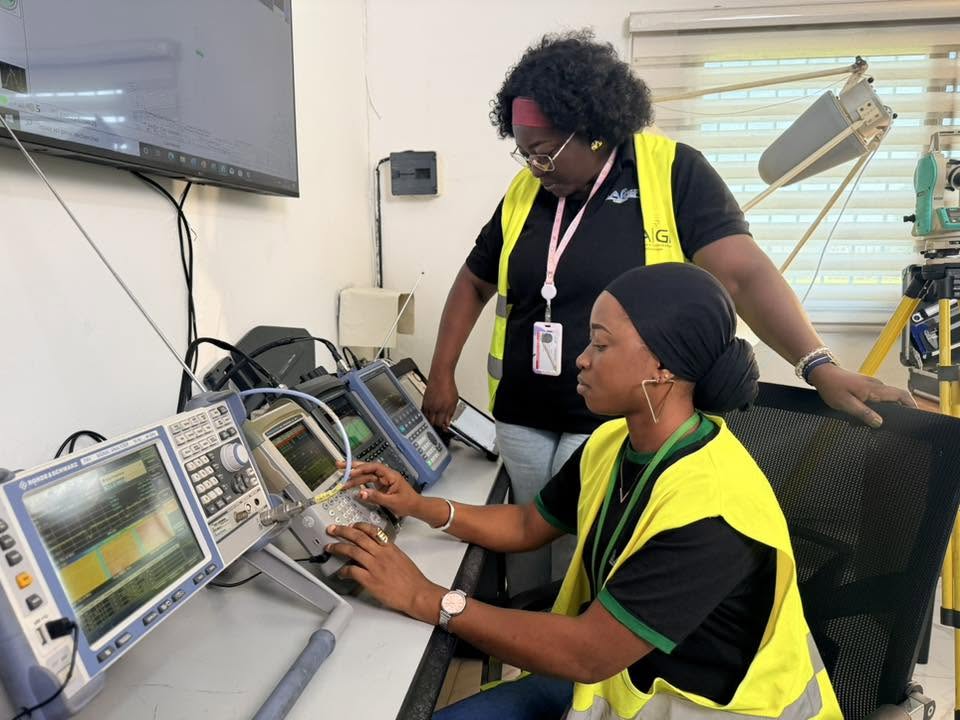
Abidjan, 28 September 2026 – Every mobile call, every radio broadcast, every internet connection in Côte d'Ivoire depends on a limited natural resource that most citizens never see: the radio frequency spectrum. How that spectrum is managed, assigned and policed has direct consequences for households, businesses and the wider economy. A public briefing this Tuesday, 29 September 2026, will put those consequences under the spotlight.The session, part of the "Tout Savoir Sur" (TSS) forum, begins at 15:00 and focuses on "The management and control of radio frequencies in Côte d'Ivoire". It is organised by the Government Information and Communication Centre (CICG) and will be streamed live on the government's digital platforms, including Facebook, X and YouTube. Citizens are encouraged to foll...
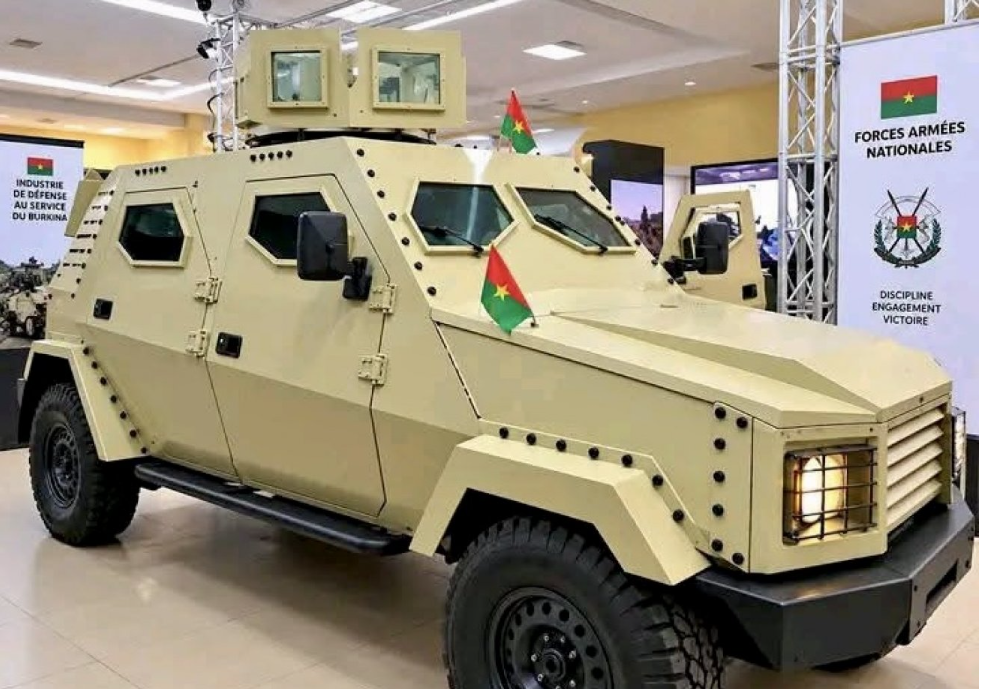
Faso Armored’s phantom armored vehicles: how a state fabrication puts Burkinabè lives and livelihoods on the line
News

Faso Armored’s phantom armored vehicles: how a state fabrication puts Burkinabè lives and livelihoods on the line

The much-trumpeted claim by Ibrahim Traoré that nearly 300 armored vehicles have rolled out of Burkinabè workshops since November 2025 is not an industrial breakthrough — it is a political smokescreen. Its real-world consequences are already being felt: soldiers and volunteers sent into battle in hastily reinforced pick-ups, public money diverted from actual security needs, and a citizenry asked to believe in a sovereignty that exists only on television screens. The theater of a defense industry that never was On September 21, 2026, during a meeting with the winners of the Hakili Mousso women's science competition, Captain Ibrahim Traoré declared that close to 300 armored vehicles had been manufactured locally for the Defense and Security Forces (FDS) and the Volunteers for the Defense of...
China market access for Benin’s AEO firms: the real economic ripple effects
News

China market access for Benin’s AEO firms: the real economic ripple effects

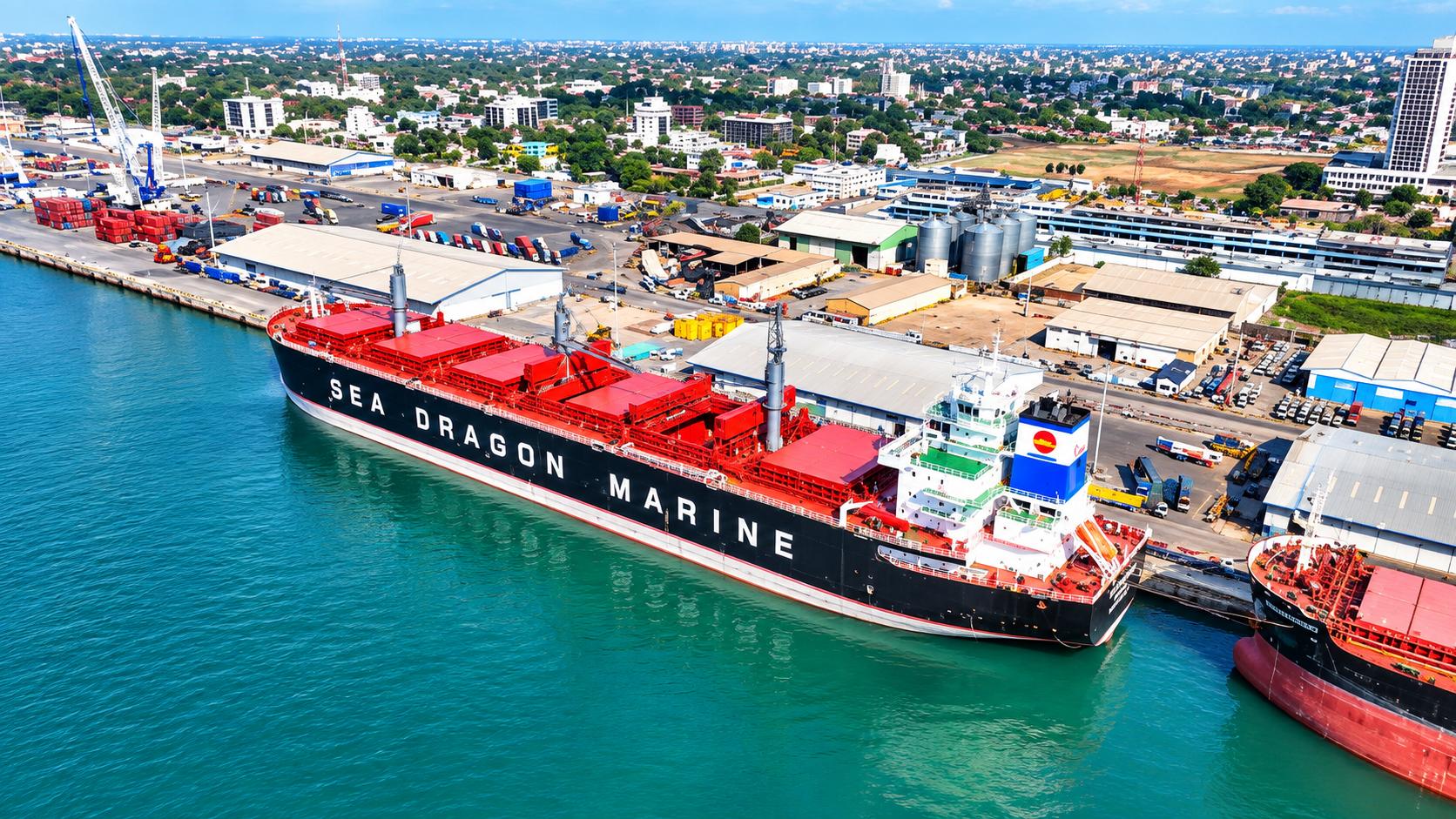
The implementation of the mutual recognition agreement for the Authorized Economic Operator (AEO) program between Benin and China is not just a diplomatic milestone. It is a concrete shift that affects the daily operations of Beninese businesses, the cost of their goods, and the country's broader economic trajectory. For certified companies, the door to the Chinese market now opens with fewer obstacles, but the consequences extend far beyond the customs office. What the AEO certification actually changes for local exporters The AEO status, granted by Benin Customs to companies that meet strict criteria on tax compliance, financial solvency, and supply chain security, has become a valuable asset. With the mutual recognition signed with Chinese customs authorities, shipments from Beninese A...
Northern Niger: how water and power failures are reshaping lives and livelihoods
News

Northern Niger: how water and power failures are reshaping lives and livelihoods

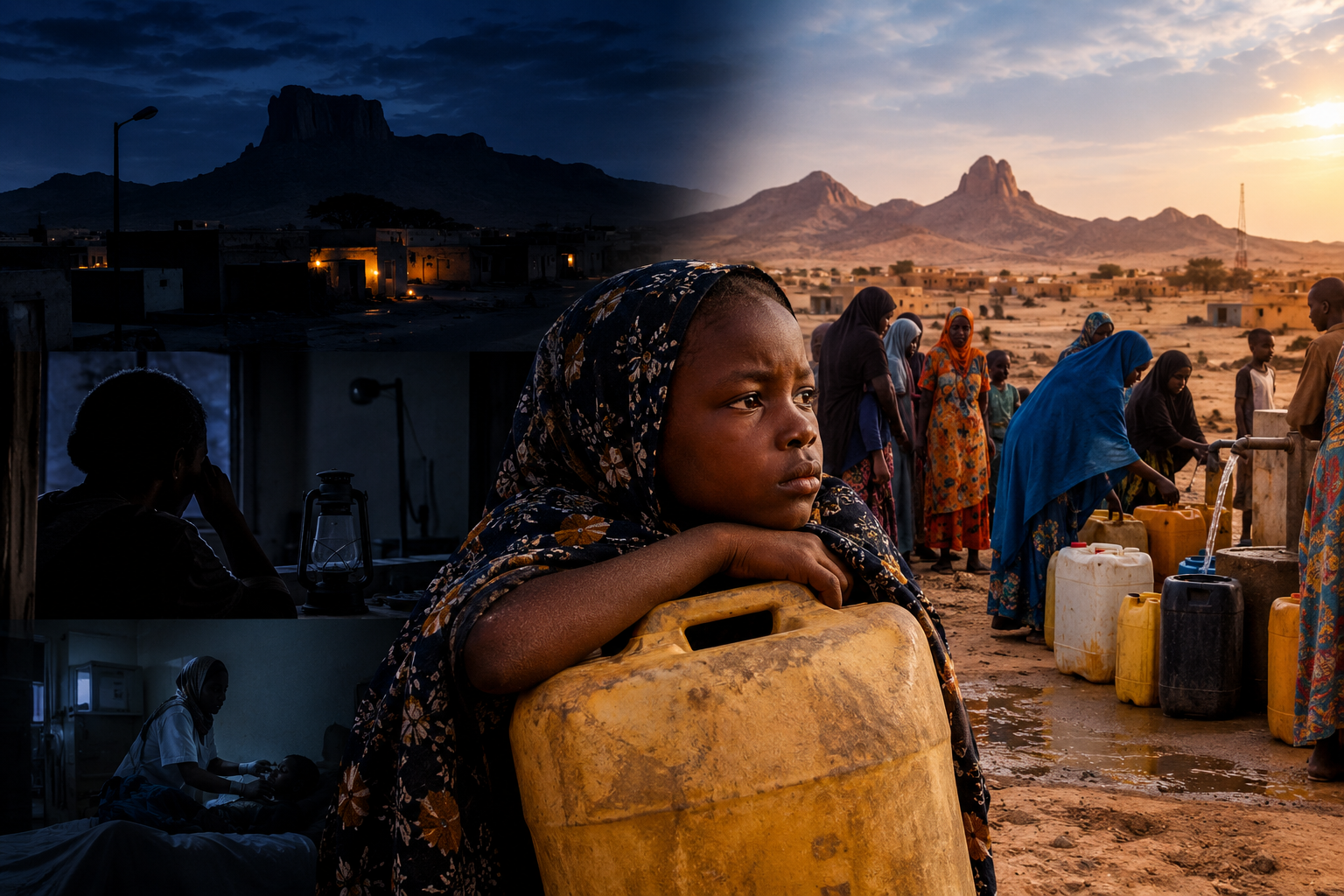
A daily struggle for survival in Niger's northern regionsIn the northern reaches of Niger, the lived experience of citizens extends far beyond official statements or announcements of new energy capacities. Across multiple localities, residents have been grappling with two fundamental necessities water and electricity for the past two months. The impact on daily life, public health, and economic activity is profound and increasingly difficult to ignore.Agadez, Arlit, and Tchirozérine: communities living in the darkThe energy situation in the Agadez region has remained particularly strained for several months. Agadez, Arlit, and Tchirozérine have all faced repeated disruptions to their electricity supply. In May, regional authorities acknowledged the existence of disruptions in both electric...
Air Sénégal smuggling probe: the real cost for passengers, workers and the economy
News

Air Sénégal smuggling probe: the real cost for passengers, workers and the economy

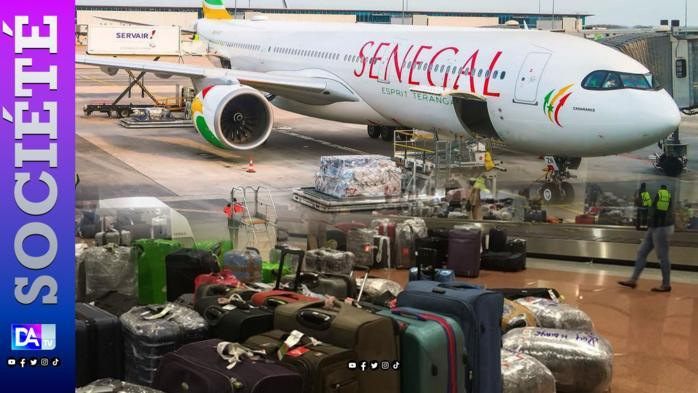
An investigation extending far beyond internal disciplinary matters is shaking Air Sénégal. On 28 September 2026, L'Observateur reported that the national carrier is the subject of inquiries into an alleged goods trafficking operation involving certain members of its cabin crew, including flight attendants and stewards. The consequences could be far-reaching, affecting passengers, employees, and the airline's role in the national economy. According to information gathered by the newspaper, employees allegedly transported goods for remuneration on behalf of a company established in France. Investigators are working to clarify how this suspected network operated, identify those involved, and determine the full scope of the operations. Among the items mentioned are car bumpers, oversized lug...
Senegal’s 2026 budget revision: how the 555 billion FCFA investment cut will hit households, jobs and local businesses
News

Senegal’s 2026 budget revision: how the 555 billion FCFA investment cut will hit households, jobs and local businesses

The revised 2026 finance bill sent to Senegal's National Assembly on 18 September 2026 is not just a technical adjustment in Dakar's budget books — it is a decision with immediate consequences for households, workers and businesses across the country. Growth projections have been cut from 5% to 2.7%, exposing the gap between earlier ambitions and the reality of resource mobilisation. With revenues falling short by 451.4 billion FCFA, the government has chosen to preserve day-to-day operations by slashing 555 billion FCFA from investment spending. In a column signed by Lansana Gagny Sakho, president of the Circle of Public Administrators and chairman of the board of APIX-SA, the verdict is blunt: a country cannot sustainably redistribute wealth it does not produce. What the revised budget m...
Senegal’s 2026 revised budget: how the deficit surge will hit households and businesses
News

Senegal’s 2026 revised budget: how the deficit surge will hit households and businesses

Senegal's 2026 revised budget: how the deficit surge will hit households and businessesSenegal's revised 2026 budget, now under parliamentary scrutiny, pushes the fiscal deficit to 1,735.2 billion CFA francs. The consequences are already tangible: planned investments are being cut, subsidies are ballooning, and the Pastef majority must decide whether to endorse a budget tied to an IMF deal it once criticized. For ordinary citizens and businesses, the stakes could not be higher.The text has been on lawmakers' desks since September 18, and it may well be the most uncomfortable vote of this legislature. As they examine the 2026 revised finance law, the Pastef majority faces two bad options: approve a budget linked to the agreement with the IMF, or risk being accused of paralyzing the state. E...
What Benin’s €544,042 UNAIDS funding means for patients, families and the economy
News

What Benin’s €544,042 UNAIDS funding means for patients, families and the economy

When Benin's government put its signature on a fresh €544,042 contribution to UNAIDS for 2026-2027, the moment was about far more than a line in a budget. It was a decision with consequences that will be felt in clinics, households and workplaces across the country for years to come. Why the €544,042 pledge matters for ordinary citizens The agreement was formalised in New York during the 81st session of the United Nations General Assembly, at a time when health and development financing is under heavy strain worldwide. For Benin, the stakes are concrete: the money keeps HIV prevention, testing, treatment and support services running without interruption for the people who depend on them. Health Minister Benjamin Hounkpatin framed the signature in human terms. He described it not as a ro...
Senegal-Azerbaijan memorandum: the real impact on trade, jobs and daily life
News

Senegal-Azerbaijan memorandum: the real impact on trade, jobs and daily life

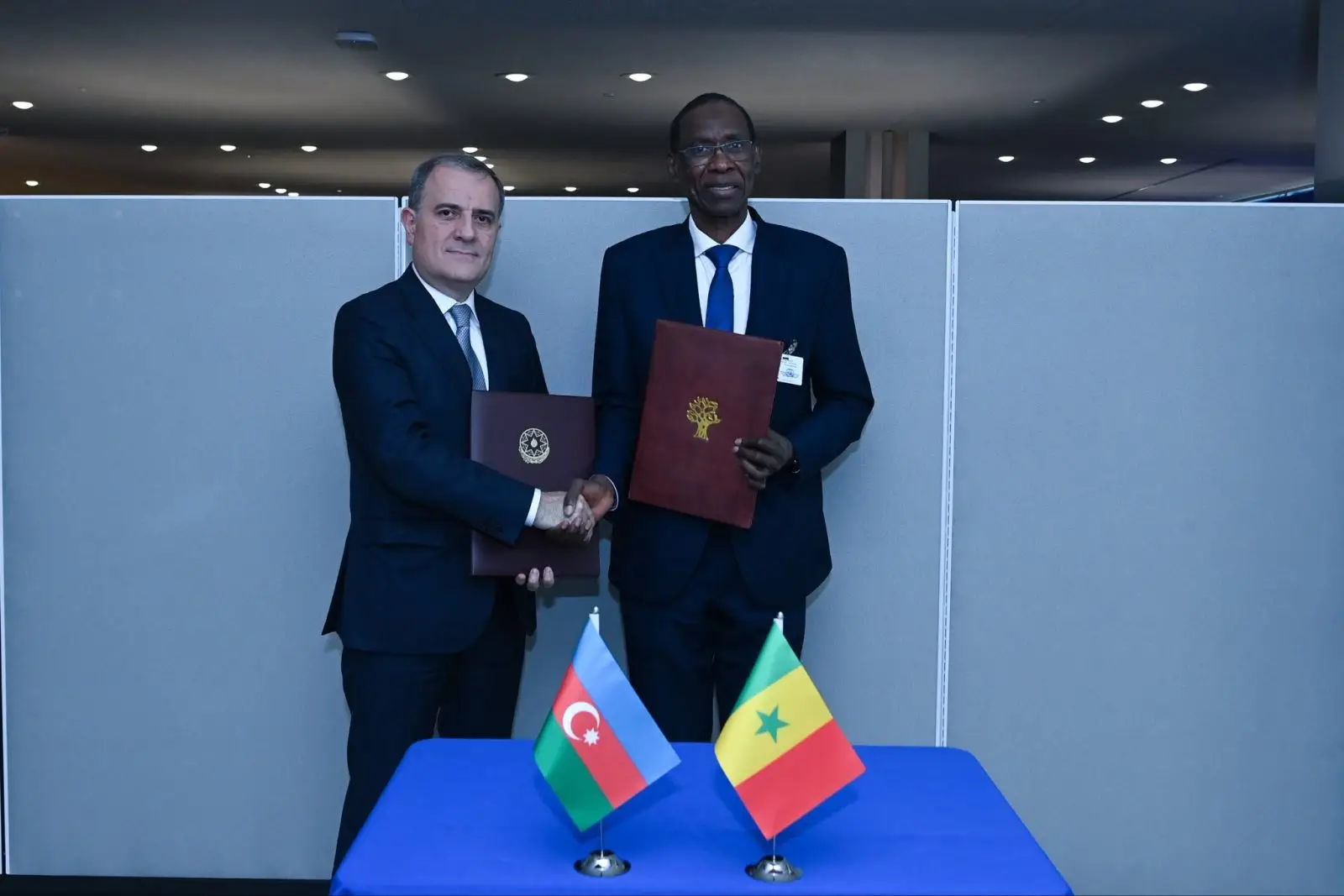
A new diplomatic framework with far-reaching consequences Senegal and Azerbaijan have opened a fresh chapter in their bilateral ties, signing a memorandum of understanding in New York to establish regular political consultations. The agreement, announced late Friday by Senegal's Ministry of African Integration, Foreign Affairs and Senegalese Abroad, was sealed on the sidelines of the high-level week of the 81st United Nations General Assembly. While the pact is diplomatic in nature, its ripple effects are expected to reach businesses, workers and ordinary citizens in both countries. Why this memorandum matters for citizens and the economy At its core, the memorandum creates a structured mechanism for the two governments to discuss issues of mutual interest on a regular basis. Instead of r...
What a €15 million bet on Benin’s port workers could mean for jobs and livelihoods
News

What a €15 million bet on Benin’s port workers could mean for jobs and livelihoods

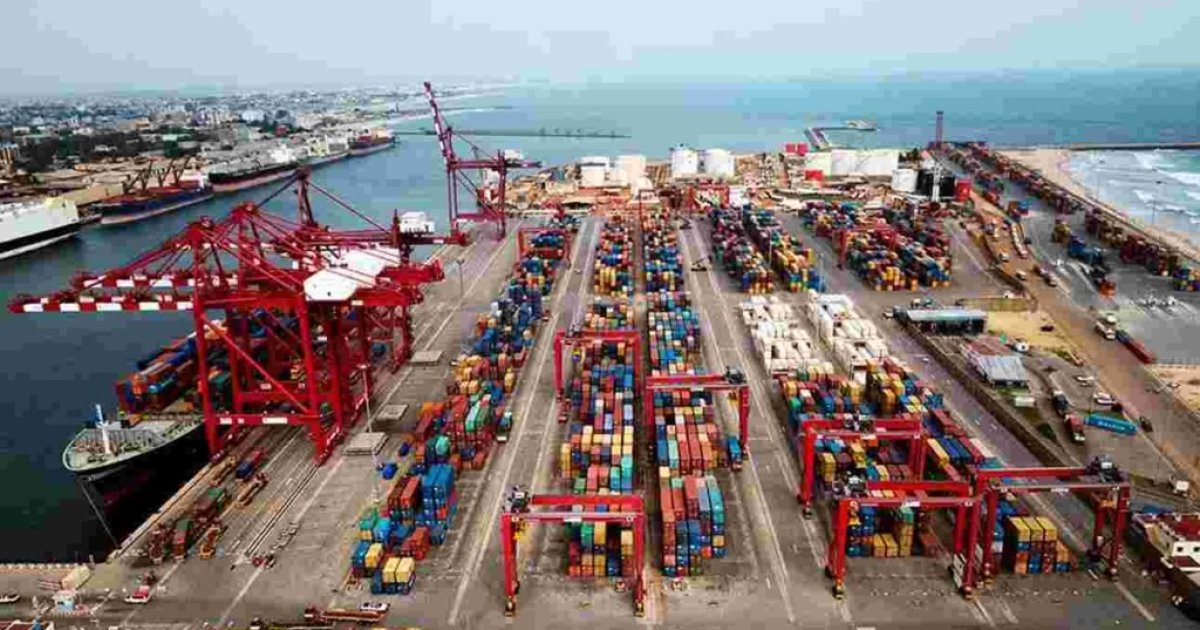
BeninA €15 million financing agreement for port and logistics training, signed on the sidelines of the UN General Assembly, could reshape how young people, women and low-skilled workers access jobs in one of West Africa's busiest port economies. But with no enrolment figures, no start date and no disbursement schedule yet published, the real-world consequences for households and businesses remain an open question.The money behind the promiseLuxembourg has committed €15 million — equivalent to more than 9.8 billion CFA francs — to develop vocational training in port and logistics trades in Benin. The protocol for the CAP-PORT project was signed in New York during the 81st United Nations General Assembly. The figure is not trivial: Benin's government puts its active bilateral cooperation por...
When Burkina Faso’s public payroll thins, households across the nation feel the squeeze
News, Top Stories

When Burkina Faso’s public payroll thins, households across the nation feel the squeeze

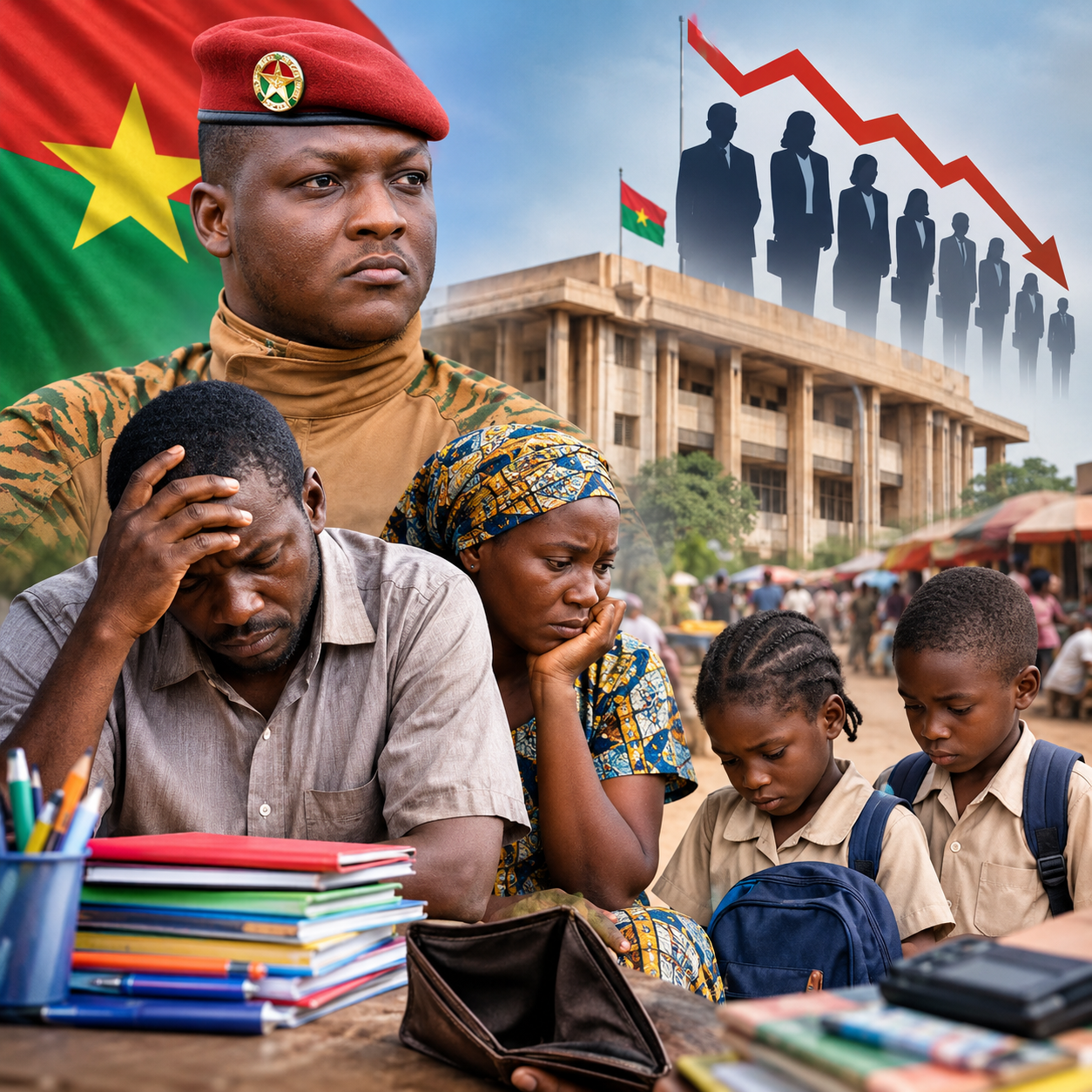
As the school year begins in Burkina Faso, a sobering social reality confronts thousands of families. According to official figures, the number of salaried civil servants in the state public service fell from 204,310 in 2021 to 202,393 in 2025 a reduction of 1,917 agents over four years.The 2025 breakdown is as follows:140,438 men;61,955 women.The human dimension behind the numbersThese statistics represent far more than administrative posts. Each public employee may be the primary breadwinner for a family, covering school fees, housing, food, and daily expenses. This is what gives the decline a profound social dimension.As Burkinabè families grapple with back-to-school costs, any reduction in regular income can quickly force painful trade-offs: tuition, supplies, meals, or healthcare.Poli...