Saturday, October 31

News

How Nigeria’s kidnapping surge is draining rural livelihoods and reshaping daily life in the north
News

How Nigeria’s kidnapping surge is draining rural livelihoods and reshaping daily life in the north

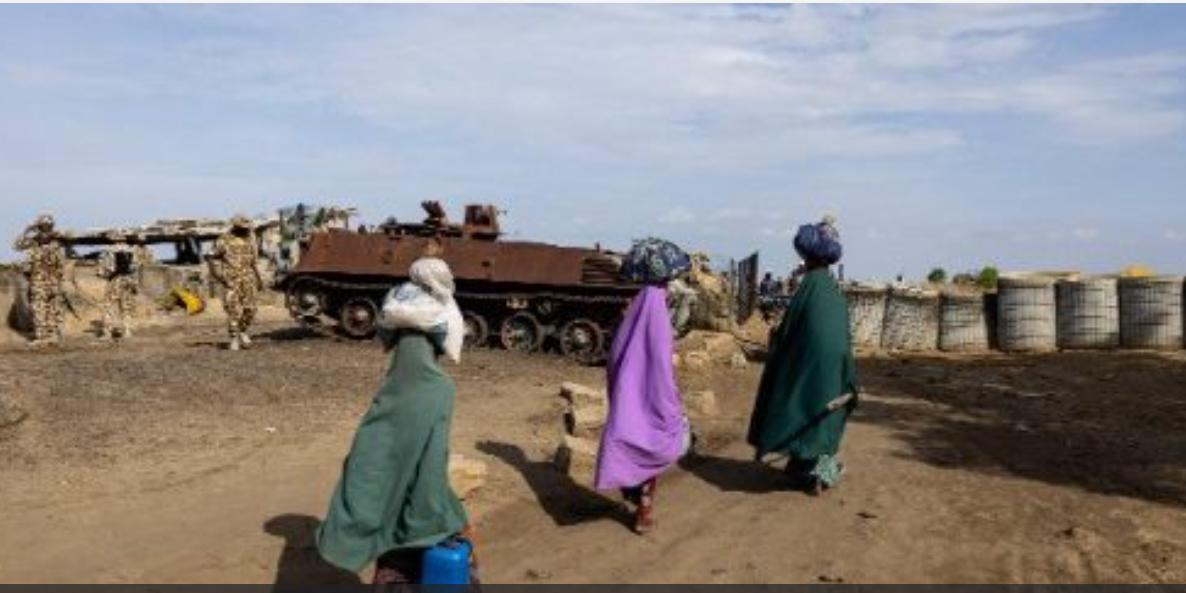
The northern reaches of Nigeria have been hit by yet another wave of mass abductions, and the consequences are rippling through rural communities that are already struggling to survive. In just two days, at least 87 people — most of them women — were seized in two separate attacks by armed men in Niger and Zamfara states. These latest abductions underscore a crisis that has been destabilising farming communities across the north and centre of the country for years, and the impact on ordinary citizens is becoming increasingly severe. Two attacks, one devastating pattern The first assault unfolded on Saturday in Niger State's Mariga area, where armed men stormed a farmland as residents were harvesting groundnuts. At least 47 farmers, many of them women, were taken. The attackers reportedly...
What Benin’s Algeria defense opening means for citizens and the economy
News

What Benin’s Algeria defense opening means for citizens and the economy

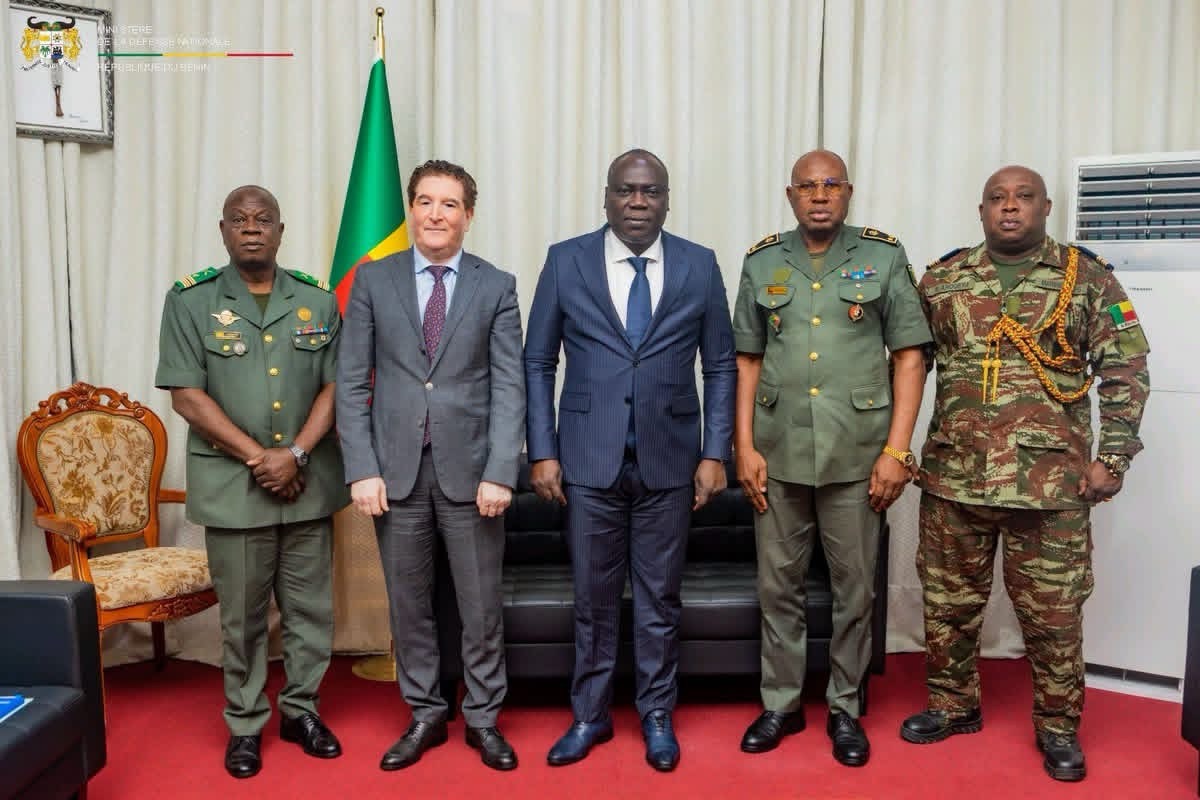
Benin's decision to open defense talks with Algeria is more than a diplomatic gesture. For households in the north, for traders moving goods along fragile corridors, and for a national budget already stretched by security spending, the real question is what this cooperation delivers on the ground. As armed groups adapt their tactics across the Sahel, Cotonou is betting that a wider circle of military partners can translate into safer roads, stronger local economies and a more resilient state. The meeting that put Algeria on Benin's defense map On 24 September 2026, Gildas Agonkan, the minister delegated to the President in charge of national defense, received Algeria's ambassador to Benin, Ammar Hadjar, in Cotonou. The talks centered on deepening bilateral cooperation in defense and secu...
What Motazé’s capital markets appeal means for Cameroonian households and CEMAC businesses
News

What Motazé’s capital markets appeal means for Cameroonian households and CEMAC businesses

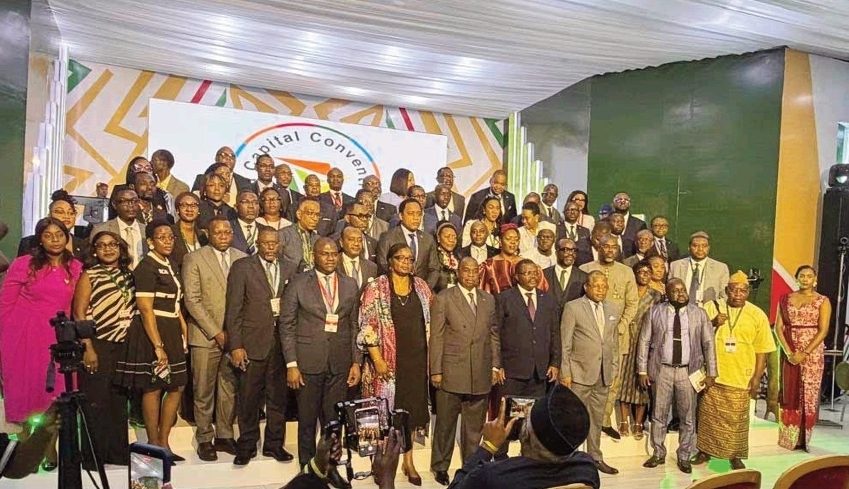
At the opening of the first Diamond Capital Convention in Douala on 24 September 2026, Finance Minister Louis Paul Motazé made a direct appeal for a deeper, more dynamic and more attractive financial market — a shift that could reshape how businesses, households and governments across Cameroon and CEMAC access funding for infrastructure, industry and jobs. Finance Minister Louis Paul Motazé presided over the opening ceremony of the inaugural Diamond Capital Convention in Douala on 24 September 2026. The gathering brought together public authorities, investors, financial institutions, businesses, regulators and other market participants to discuss how best to finance the economy. In his opening address, the Minister of Finance urged financial ecosystem players to step up capital mobilisatio...
Mali war crimes findings: the price civilians pay when accountability stalls
News

Mali war crimes findings: the price civilians pay when accountability stalls

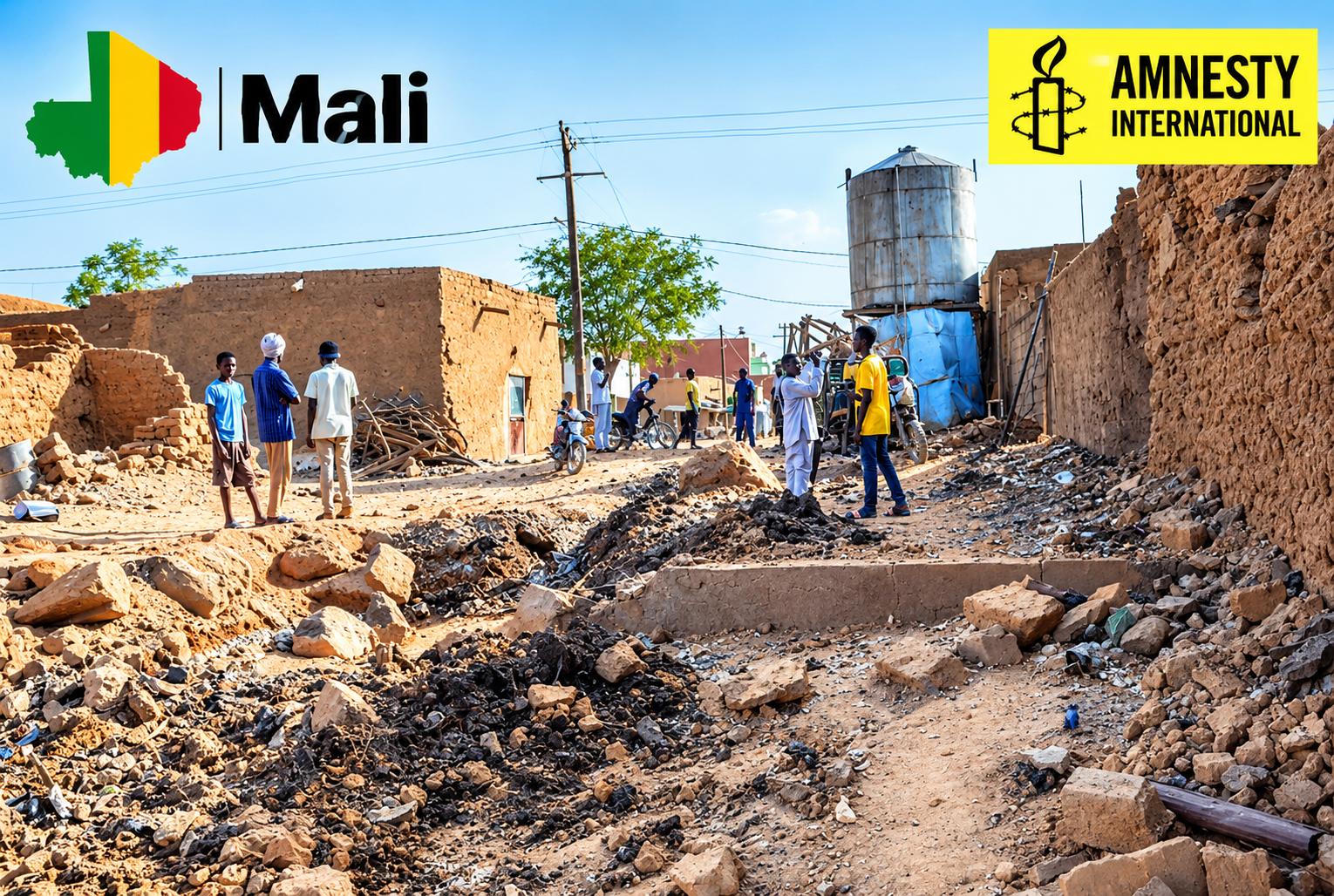
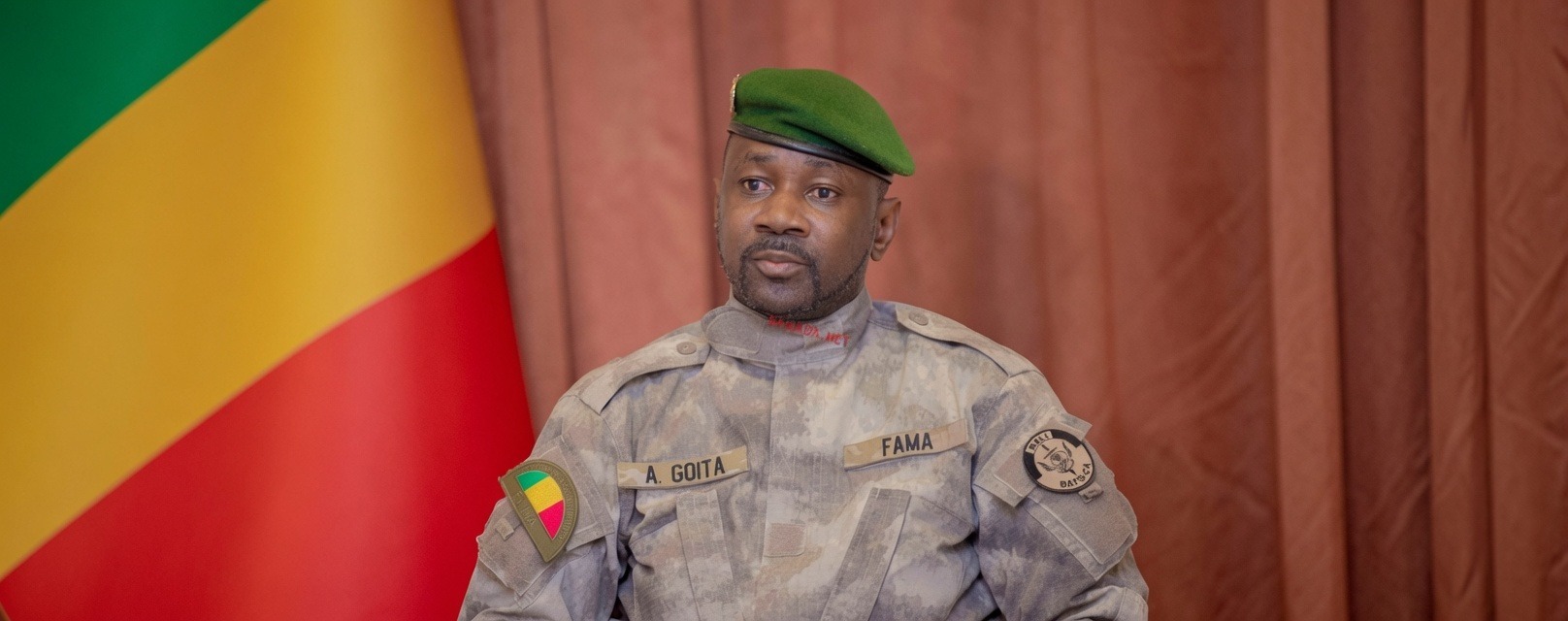
The consequences of more than a decade of conflict in Mali are no longer measured only in battles won or lost. They are counted in grieving families, shuttered classrooms and communities living under the shadow of armed groups and military operations alike. A new investigation by Amnesty International, made public on 28 September 2026, paints a stark picture of what that reality means for ordinary people caught between the two.The report accuses members of the Malian Armed Forces (FAMa), operating alongside foreign fighters from the Wagner group, of committing war crimes against civilians between 2023 and 2025. Its title, "No one is spared," captures the core finding: in a conflict with multiple armed actors, civilians have nowhere safe to turn.What the evidence showsResearchers gathered t...
Mali’s fuel loan fallout: how the 8 billion CFA BOAD deal hits households, businesses and the wider economy
News

Mali’s fuel loan fallout: how the 8 billion CFA BOAD deal hits households, businesses and the wider economy

The Malian government has secured an emergency loan of 8 billion CFA francs from the West African Development Bank (BOAD) to import roughly 20 million litres of fuel. The move comes as the country grapples with severe energy supply disruptions that have paralysed households and businesses alike. The financial lifeline, while providing immediate relief, underscores the deep-rooted vulnerabilities in Mali's energy model and raises pressing questions about the real-world consequences for citizens and the economy. Why Mali turned to the bank for an emergency fuel loan Months of relentless strain on Mali's energy sector have left the national power utility, Énergie du Mali (EDM-SA), struggling to pay for the fuel needed to run its thermal power plants. The resulting power cuts have disrupted d...
Burkina Faso’s gold refinery RAFFINOR-BF: what the inauguration means for citizens, businesses and the national economy
News

Burkina Faso’s gold refinery RAFFINOR-BF: what the inauguration means for citizens, businesses and the national economy

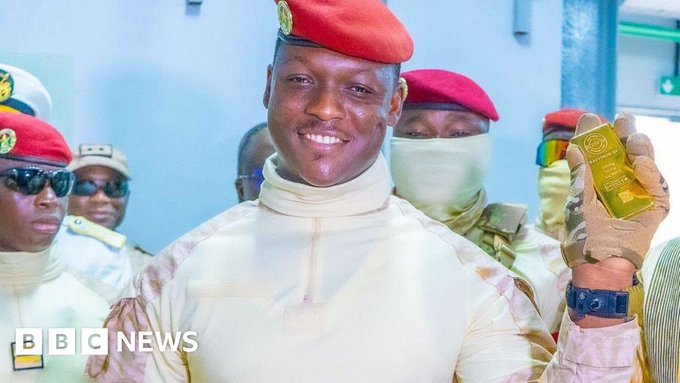
A flagship project with far-reaching consequences On 28 September 2026, Ibrahim Traoré inaugurated Burkina Faso's first national gold refinery in Ouagadougou. Named RAFFINOR-BF, the facility has been presented by the authorities as a major step towards economic sovereignty, designed to process and add value to gold directly on national territory. Its initial capacity is announced at 164 tonnes per year, with a potential increase to 515 tonnes. The investment exceeds 11 billion CFA francs. For ordinary citizens and businesses, the project is expected to generate concrete effects: more local processing, a larger share of the value chain retained inside the country, and potential spillovers for the national economy. Yet the practical impact will depend on how the refinery's operations are man...
Niger’s competitive dialogue decree: how three years of inaction is costing businesses and taxpayers
News

Niger’s competitive dialogue decree: how three years of inaction is costing businesses and taxpayers

When Niger's government unveiled Decree No. 2022-743/PRN/PM on 29 September 2022, it promised nothing less than a revolution in public procurement. The new competitive dialogue procedure was presented as the tool that would finally bring discipline to public spending, open up decision-making, and give the state access to the technical expertise needed for major development projects. Three years on, the reality is starkly different: the reform has produced no measurable economic benefit, no savings for the treasury, and no new opportunities for the local firms and citizens it was supposed to serve. A sophisticated mechanism that never left the paper On paper, competitive dialogue offered a clear advantage: public buyers could sit down with several shortlisted bidders and jointly design the...
Benin’s UN security pitch: what tougher borders and regional cooperation mean for citizens and trade
News

Benin’s UN security pitch: what tougher borders and regional cooperation mean for citizens and trade

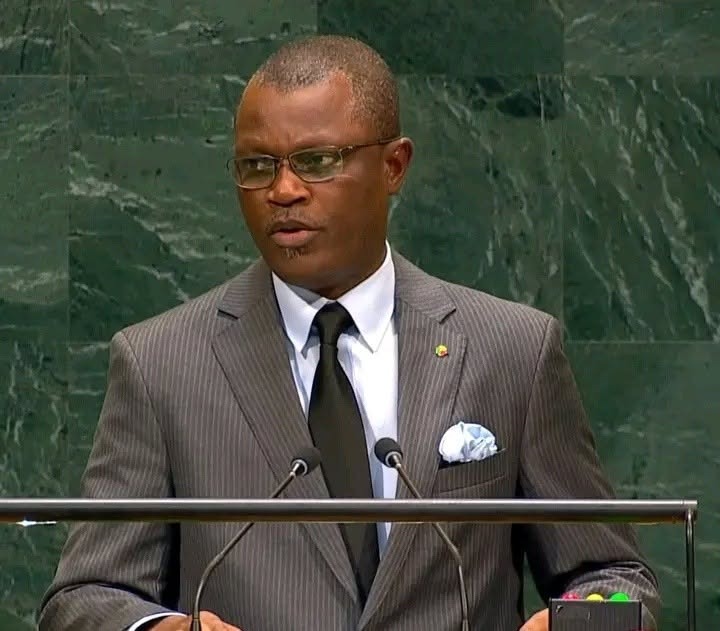
At the United Nations headquarters in New York, Benin used the closing day of the general debate of the 81st session of the UN General Assembly to lay out a security doctrine with direct consequences for the people living along its northern frontiers and for the wider regional economy. Foreign Minister Corinne Amori Brunet delivered the country's national statement, flanked by the permanent mission led by Ambassador Marc Hermanne Araba, Benin's permanent representative to the intergovernmental body. The timing and position on the speakers' list drew particular attention: the head of Benin's diplomacy took the podium immediately after the delegations of Mali, Burkina Faso and Niger had addressed the assembly. From UN principles to real-world impact on the ground The address carries major...
Cotonou’s civil society roadmap: what the francophone peace agenda means for everyday citizens
News

Cotonou’s civil society roadmap: what the francophone peace agenda means for everyday citizens

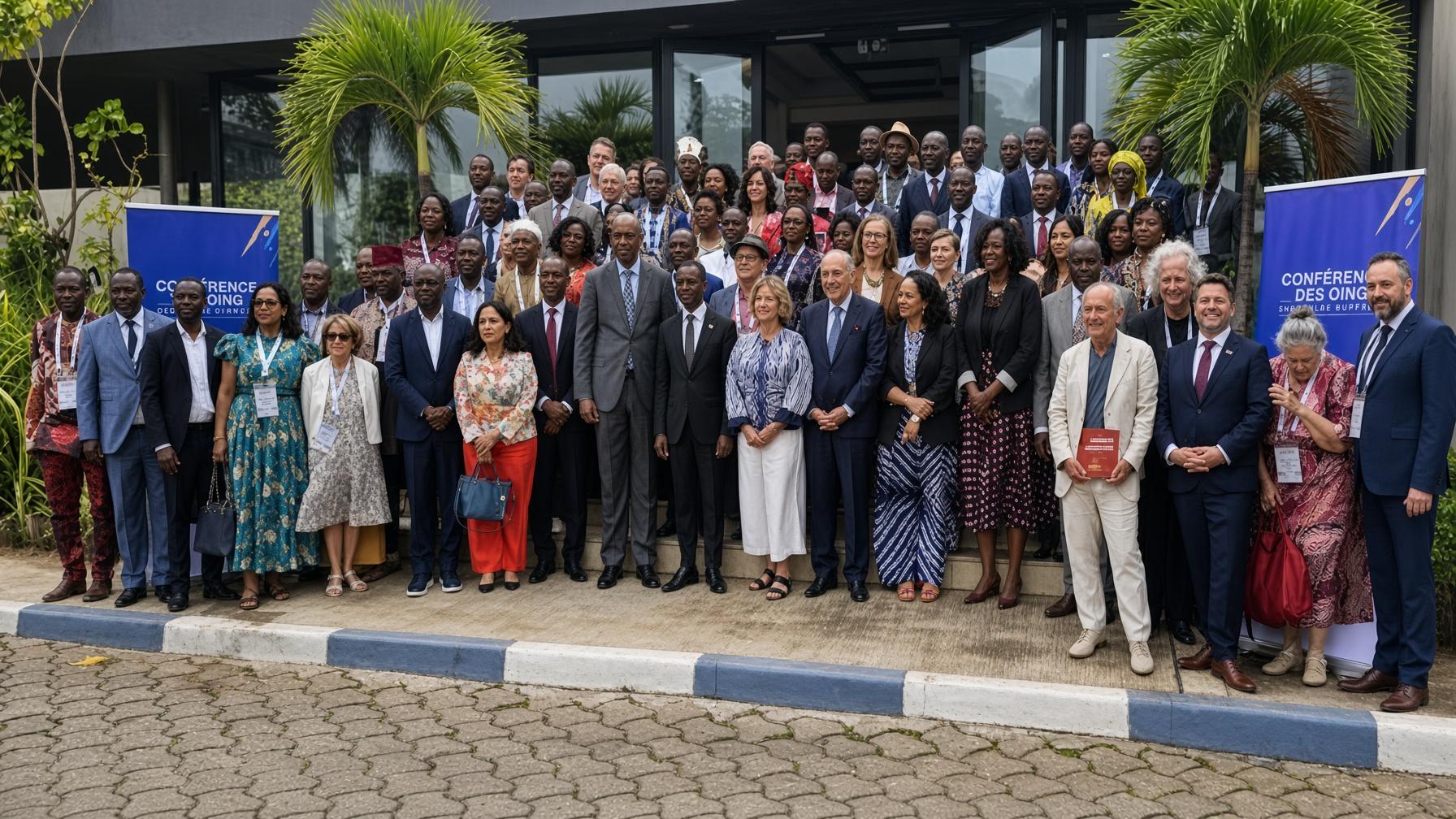
When the 16th Ordinary Plenary Assembly of the Conference of International Non-Governmental Organisations (COING) of La Francophonie opened in Cotonou on 28 September 2026, the stakes went far beyond conference-room diplomacy. Over two days, civil society actors from across the French-speaking world gathered to shape their contribution ahead of the 20th Francophonie Summit, scheduled for 15–16 November in Cambodia, and to set a 2026–2028 roadmap whose consequences will be felt in households, markets and communities far from the negotiating table. Peace that translates into daily life Under the theme 'Reinvesting in peace: mobilising francophone civil society for shared prosperity, resilient territories and lasting stability', the meeting made clear that peace is not merely the absence of ...
Ghana’s $109M rejection: the real cost for patients, taxpayers and local industry
News

Ghana’s $109M rejection: the real cost for patients, taxpayers and local industry

Accra has turned down a US health financing package worth roughly $109 million over five years, and the fallout is already being measured in clinics, pharmacies and government budgets across Ghana. The decision, confirmed by President John Dramani Mahama, was driven by concerns over access to medical records, pathogen information and what Accra describes as restrictions on its ability to regulate medicines. The question at the heart of the dispute is blunt: how much is a country's sovereignty worth when foreign aid comes with sensitive strings attached? For Ghana, the answer is clear — not $109 million. What was actually on the table The package rejected by Accra was part of a broader arrangement valued at around $300 million, including contributions expected from Ghana itself. Under th...
Kribi port at 15: the everyday impact on Cameroonians, businesses and the economy
News

Kribi port at 15: the everyday impact on Cameroonians, businesses and the economy

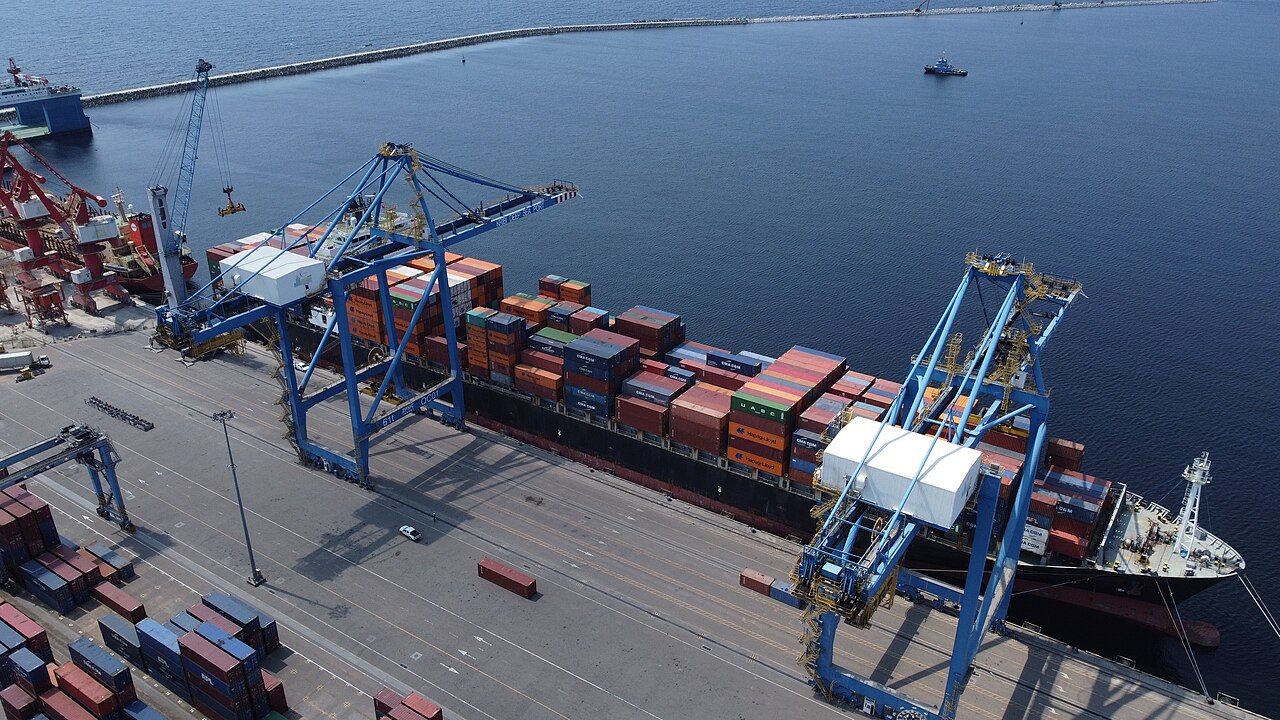
Fifteen years ago, Mboro, on the outskirts of Kribi in southern Cameroon, was nothing more than an isolated fishing village with a handful of homes linked by narrow, winding dirt tracks.Today, that same stretch of coastline is home to one of Central Africa's most modern deep-water ports, while the surrounding area is being reshaped by a rapidly expanding industrial and logistics economy.Since the 1970s, Cameroon had been considering a deep-water port to complement Douala, the country's main port, which sits in a shallow estuary that cannot accommodate large vessels. That long-envisioned project became reality with the completion of the first and second phases of the Kribi deep-water port.A city looking to the futureGu Gaobai was among the first Chinese workers to arrive in 2011 with China ...
UK transit visa for Senegal: the real consequences for travellers, businesses and the economy
News

UK transit visa for Senegal: the real consequences for travellers, businesses and the economy

The United Kingdom has tightened its entry rules for nine West African countries, including Senegal, which are now subject to an airport transit visa. Under directives issued by the Home Office, this requirement applies even to travellers who never cross the British border and merely change planes at an airport in the kingdom. The measure, effective without any notable transition period, substantially changes the game for thousands of passengers using London hubs to reach North America or Asia, with immediate consequences for families, businesses and the wider economy. A tightening that targets nine West African states Alongside Senegal, eight other countries in the sub-region appear on the new list of nationalities subject to the Direct Airside Transit Visa. The system requires any affect...