Ghana’s $109M rejection: the real cost for patients, taxpayers and local industry
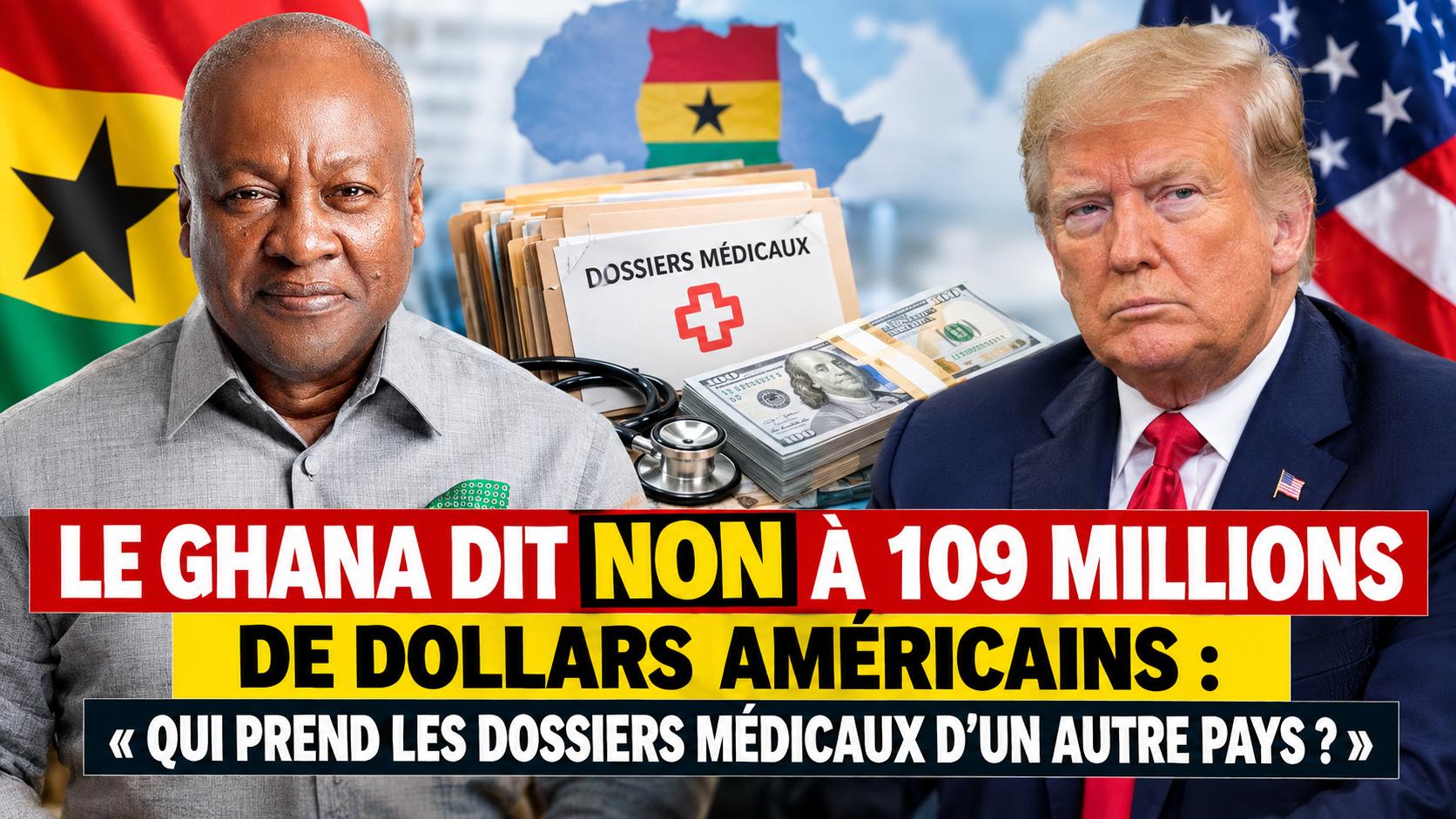
Accra has turned down a US health financing package worth roughly $109 million over five years, and the fallout is already being measured in clinics, pharmacies and government budgets across Ghana. The decision, confirmed by President John Dramani Mahama, was driven by concerns over access to medical records, pathogen information and what Accra describes as restrictions on its ability to regulate medicines.
The question at the heart of the dispute is blunt: how much is a country’s sovereignty worth when foreign aid comes with sensitive strings attached? For Ghana, the answer is clear — not $109 million.
What was actually on the table
The package rejected by Accra was part of a broader arrangement valued at around $300 million, including contributions expected from Ghana itself. Under the proposed terms, Washington would have provided approximately $109 million in US funding over five years.
President Mahama publicly confirmed the rejection on 25 September during an appearance at the Council on Foreign Relations in New York. He said the draft required Ghana to share pathogen profiles and medical data with the United States, imposed a counterpart financing obligation and contained provisions affecting control over medical products entering the country. In his words, the conditions were “humiliating.”
Arnold Kavaarpuo, executive director of Ghana’s Data Protection Commission and a participant in the negotiations, said some clauses would have allowed access to sensitive health data in circumstances where individuals could potentially be identified. He argued the scope of that access went far beyond what is normally necessary.
Reporting by The BMJ indicated the Ghanaian draft foresaw access to health data and pathogens for 16 American companies. Several clauses in the new US health agreements remain difficult to scrutinise publicly because not all negotiated texts have been released. It would be an overstatement to say Washington demanded unrestricted access to “all Ghanaians’ medical records.” What is documented, however, is Ghanaian concern over the extent of access to health data and pathogen information.
Why these records matter far beyond the clinic
Behind medical files lies a question of power. Health data reveals which diseases are circulating, where they are spreading, which populations are most exposed and how outbreaks evolve.
Pathogen data carries enormous scientific value. It can feed research into vaccines, treatments and surveillance of emerging epidemics — precisely what has fuelled anxiety among several African governments.
In February 2026, Jean Kaseya, director general of the Africa Centres for Disease Control and Prevention, had already raised serious concerns about data- and pathogen-sharing provisions in the new US health agreements. Some deals, he noted, required rapid sharing of sensitive data without guaranteeing African countries access to the treatments or vaccines that might result. Ghana, in other words, is not an isolated case.
The economic blow of losing US aid
The rejection did not happen in a vacuum. Since the suspension of a large share of US aid programmes, Ghana has been trying to reduce its reliance on external financing. In February 2025, the presidency estimated the shortfall caused by the suspension of USAID funding at $156 million, with $78.2 million directly affecting essential health programmes.
The Mahama government is now pushing the idea of “health sovereignty.” That direction was reinforced in September with the launch of the report A Sovereign Future for Health, presented under the Accra Reset initiative. The document proposes reducing Southern countries’ dependence on external financing and strengthening their own health systems.
Accra’s message is relatively clear: Ghana wants to keep working with foreign partners, but on terms it considers more balanced. The practical challenge is filling the funding gap without disrupting services that patients depend on.
A regulatory clash over medicines
Another sensitive point raised by Mahama concerns medicines. According to the president, the draft would have exempted certain drugs and medical products supplied under the programme from controls by Ghana’s Food and Drugs Authority.
Washington has not publicly confirmed that detail. Asked about the negotiations, a US State Department spokesperson said the United States does not disclose the details of bilateral talks, while insisting Washington continues to look for ways to strengthen its partnership with Ghana.
If the provision was indeed in the text presented to Accra, it explains part of the government’s firmness: for Ghanaian authorities, health financing should not reduce the national regulator’s ability to control medical products used on its territory. For patients, that principle translates into direct consequences — the safety of medicines, the credibility of local oversight and public confidence in the health system.
What remains unanswered
The absence of a full public text leaves essential questions open. Exactly what data would have been accessible? To which American companies or institutions? Under what circumstances could individuals have been identified? How long would the data have been retained? What legal guarantees would have protected Ghanaian patients? On these points, public information remains incomplete.
A debate that extends well beyond Ghana
The deeper stakes may lie here. For decades, many African health systems have depended on foreign funding, medicines, equipment and programmes. Those partnerships have saved lives and helped fight major diseases.
But the digital transformation of health is changing the nature of cooperation. Aid is no longer only about money, drugs or equipment. It can also grant access to a strategic resource: data.
Ghana has just reminded its partners that it intends to keep control of that resource. Mahama says his government rejected the draft after review by the Ministry of Health and consideration by the Cabinet, with support across the administration and a decision taken quickly.
Ghana must now show it can replace the abandoned financing without compromising its health programmes. For Accra, the choice appears deliberate: better to seek other partners than to sign an agreement the government considers incompatible with health sovereignty and the protection of Ghanaians’ data.
The question Ghana now puts to its foreign partners is simple: when Africa receives aid to care for its people, must it also surrender control of information about those people? The debate is probably only beginning.