Cotonou’s civil society roadmap: what the francophone peace agenda means for everyday citizens
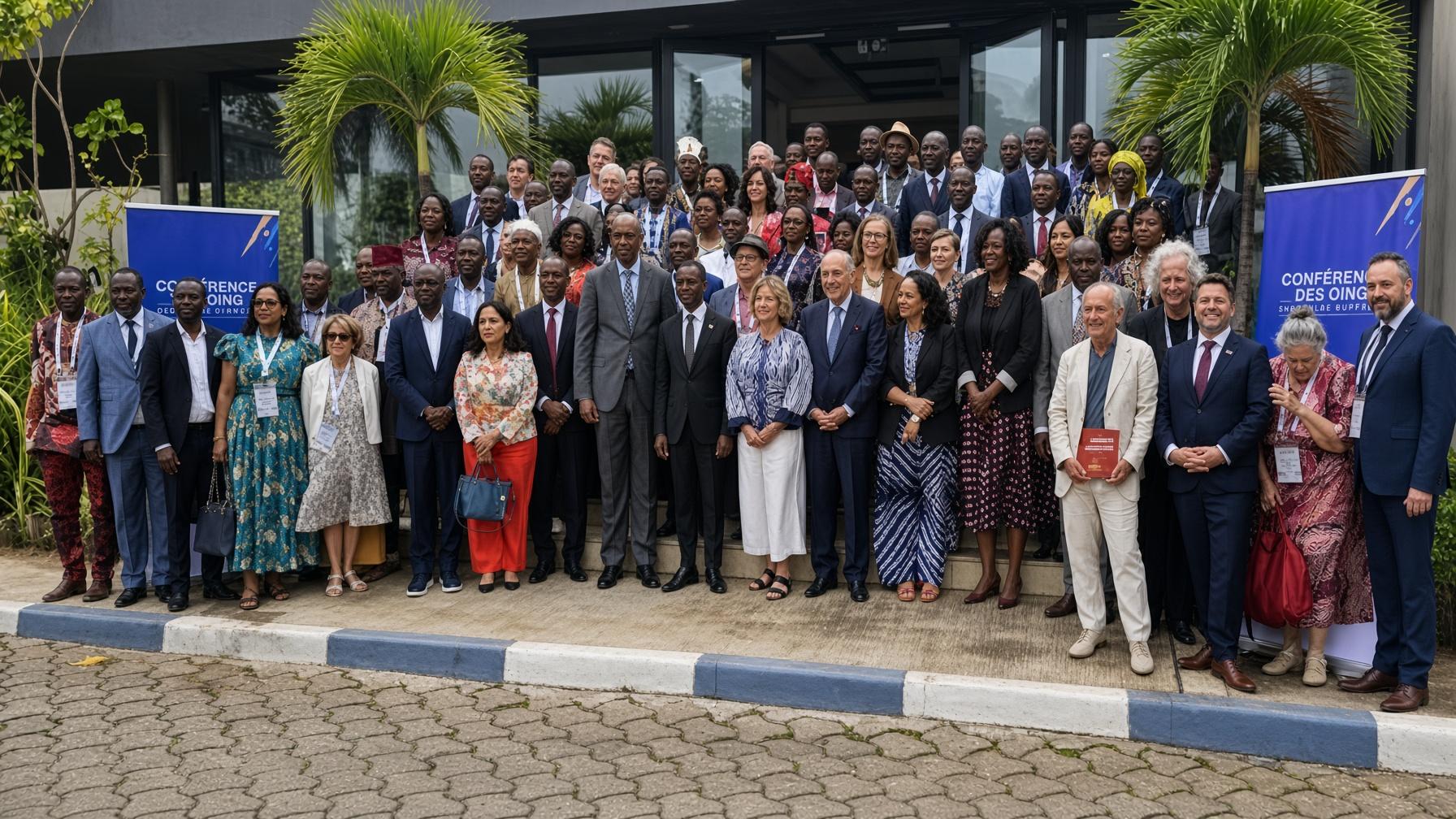
When the 16th Ordinary Plenary Assembly of the Conference of International Non-Governmental Organisations (COING) of La Francophonie opened in Cotonou on 28 September 2026, the stakes went far beyond conference-room diplomacy. Over two days, civil society actors from across the French-speaking world gathered to shape their contribution ahead of the 20th Francophonie Summit, scheduled for 15–16 November in Cambodia, and to set a 2026–2028 roadmap whose consequences will be felt in households, markets and communities far from the negotiating table.
Peace that translates into daily life
Under the theme ‘Reinvesting in peace: mobilising francophone civil society for shared prosperity, resilient territories and lasting stability’, the meeting made clear that peace is not merely the absence of war. It requires social justice, access to basic services, mediation, human rights protection and the capacity to withstand economic and security shocks — the kind of pressures that determine whether families can send children to school, whether small businesses survive a crisis, and whether communities can rebuild after conflict.
Why citizen participation changes outcomes
Participants called for closer cooperation between states, parliamentarians and NGOs. Because citizen organisations work closest to the ground, they are demanding a stronger role in the decision-making processes of the International Organisation of La Francophonie (OIF). Their aim is to turn local recommendations into concrete public policies — the difference between a pledge signed at a summit and a clinic that stays open, a mediation network that prevents violence, or a youth employment scheme that actually reaches the people who need it.
A pragmatic 2026–2028 roadmap with measurable effects
The Cotonou Assembly is working to build a more operational COING. Its priorities are designed to produce tangible results for citizens and businesses:
- Strengthening networks: structuring synergies between francophone NGOs so that resources and expertise reach the field faster.
- Mobilising resources: developing strategic financial and technical partnerships to fund peace and resilience projects that directly benefit communities.
- Tracking impact: measuring the real effects of actions within communities, so that success is judged by improved living conditions rather than by the number of meetings held.
Benin’s role and the message to leaders
By hosting this session, Benin reaffirmed its key role in francophone dialogue. With the Cambodia summit only weeks away, the civil society gathered in Cotonou is sending a clear message: the future of La Francophonie cannot be built without the active involvement of citizens and their representatives. For ordinary people across the French-speaking world, the test will be whether this roadmap delivers safer neighbourhoods, stronger local economies and public services that hold up under pressure.