When Brazil clinched the World Cup title in the United States in 1994, ending a 24-year drought, head coach Carlos Alberto Parreira faced criticism for his team’s uninspired play, particularly in the final against Italy. Journalists, fans, and even his own mother voiced their disapproval. In Brazil, it’s not merely about securing the victory; the style of play, the maneira, is equally paramount.
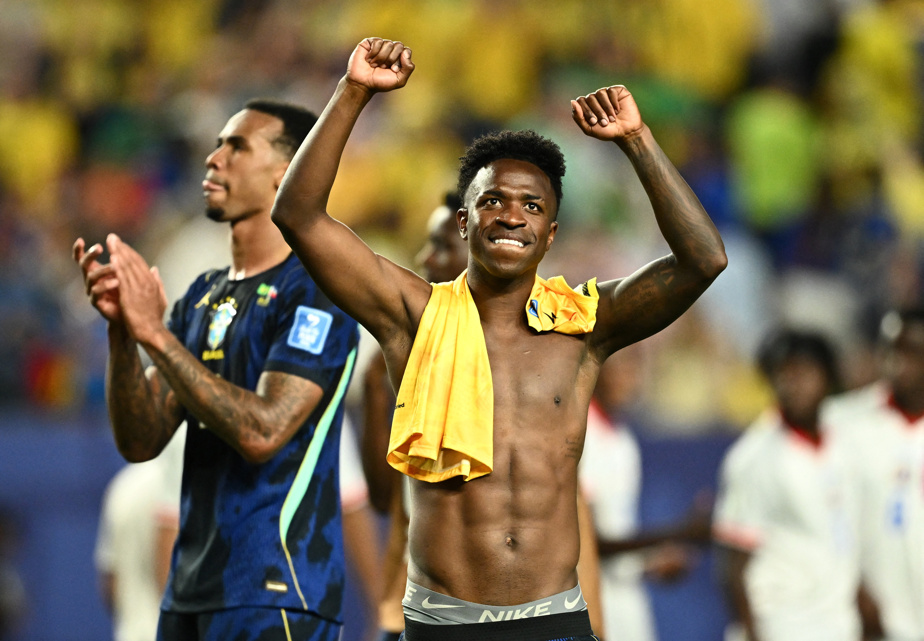
Supporters of the Seleção expect not just decisive wins, but a display of joga bonito (beautiful football) whenever the yellow and green jerseys grace the pitch. Brazil delivered a blend of both in Philadelphia on Friday, securing a 3-0 victory over Haiti, albeit for only one half of the match.
Brazil’s Italian coach, Carlo Ancelotti, made a notable change to his starting lineup, replacing Igor Thiago, who started in the 1-1 draw against Morocco, with Matheus Cunha in attack. This strategic adjustment quickly paid dividends.
The Manchester United forward found the back of the net just before the first hydration break, expertly deflecting a misjudged clearance from a shot by his teammate Vinícius Jr.
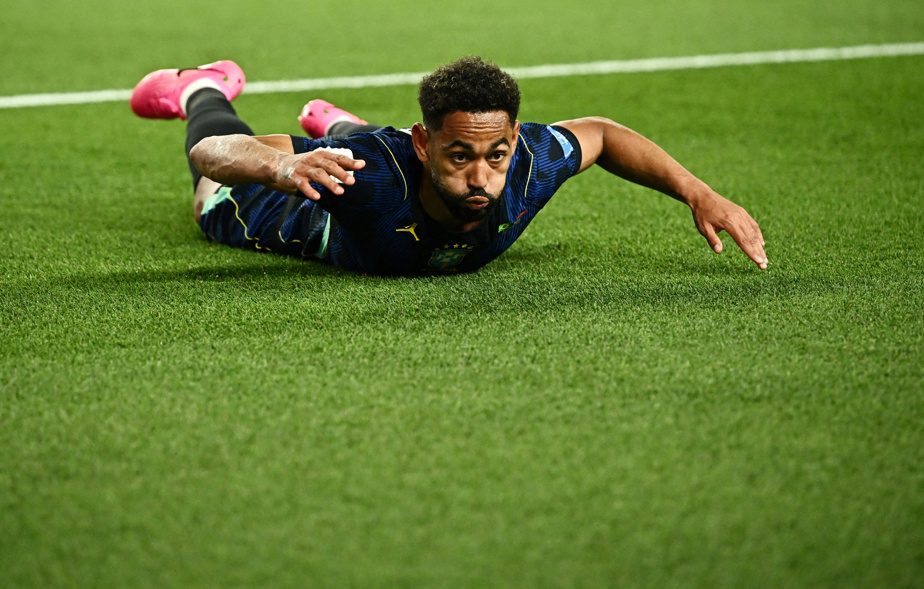
Cunha scored again with a left-footed strike into the top corner, another goal orchestrated by Vini Jr., giving him the perfect opportunity to showcase his signature surfer celebration to the world.
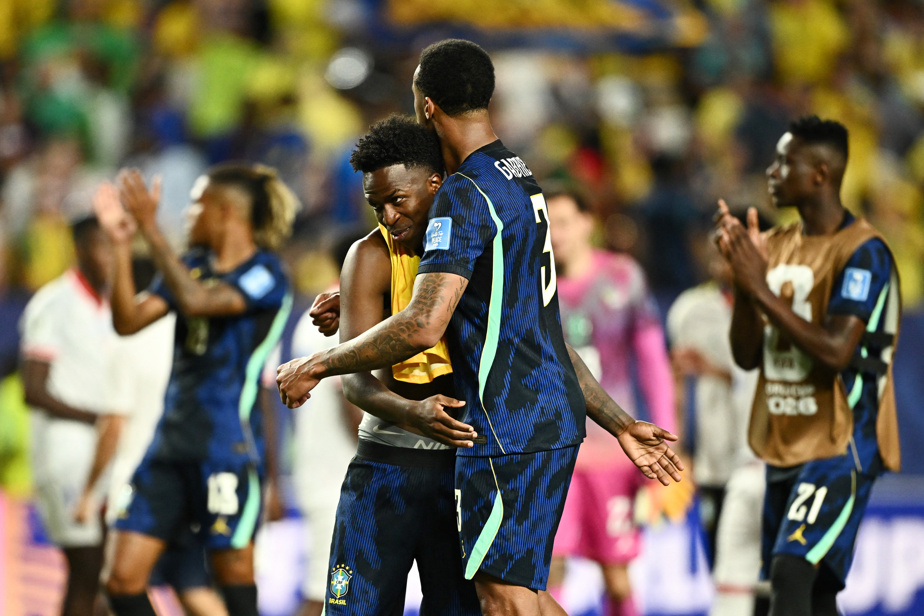
The dynamic Vini Jr. then turned goalscorer himself before halftime, breaking past a somewhat naive Haitian defensive line thanks to a perfectly lobbed pass from Lucas Paquetá, who appeared to be in much better form than in their opening Group C fixture against Morocco.
The drums in the stands beat with fervent anticipation. There was a palpable expectation that Brazil would inflict a similar fate on Haiti as Canada had dealt Qatar the previous day, especially after the Grenadiers, known for their robust play, received an early yellow card just four minutes into the game. However, they avoided a red card, and their coach Sébastien Migné transitioned from a five-man defense to a four-man setup, adopting a deeper block and a more compact midfield. This tactical shift effectively staunched the bleeding and limited further damage.
Haiti did not simply “park the bus” in front of their goal, as the defensive cliché suggests, waiting for the storm to pass. They continued to offer direct and determined play, but with greater tactical awareness than in the first half. One cannot approach a match against Brazil in the same way one faces Costa Rica.
Brazil’s somewhat muted second-half performance can be attributed both to a dip in intensity and Haiti’s effective strategy in containing the Seleção’s attack, which had to cope without the injured Raphinha on the right flank from the 40th minute. This was no minor detail; the Brazilian winger had enjoyed an exceptional club season with FC Barcelona, tallying 34 goals and 22 assists.
Neymar, still sidelined with an injury, didn’t even travel with the squad to Philadelphia. It raises the question of whether Ancelotti might have been better off selecting João Pedro, who has been a sharp presence at Chelsea this season, in his place.
Brazil’s first foreign coach certainly avoided a potential controversy: benching the 34-year-old Neymar, despite his intermittent injuries over the past decade, would likely have been perceived by some Brazilian journalists and supporters as an act of lèse-majesté.
Following a challenging match against Morocco, Brazil might regret not having scored more goals and widening their goal differential before the final group stage fixture. The Brazilians failed to fully capitalize on several communication errors between Haitian defenders and goalkeeper Johny Placide.
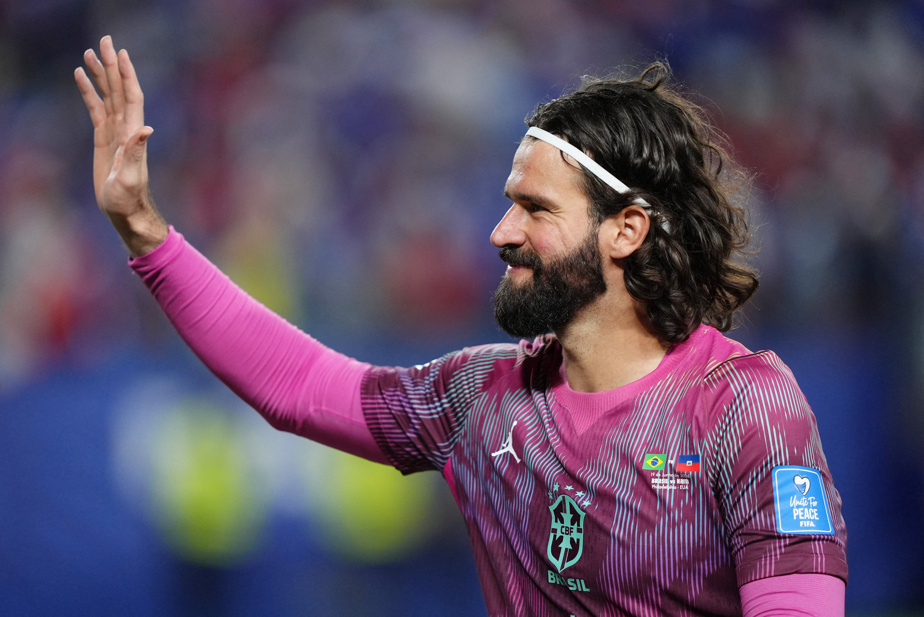
Haiti did manage to create a few scoring opportunities, notably a one-two play between Martin Expérience and his teammate Pierrot, which led to the Grenadiers’ first corner. They nearly scored from their second corner after the hour mark, but Brazilian goalkeeper Alisson remained vigilant.
Haiti became the first nation eliminated from this World Cup on Friday. For the Grenadiers, the crucial match was against Scotland, where they challenged the Scots until the very end before succumbing to a 1-0 defeat. They have no reason to be ashamed of their elimination in their second World Cup appearance, especially at the hands of the nation with the most World Cup titles.
Haiti will play for honor on Wednesday against the formidable Moroccan squad, semi-finalists in the 2022 World Cup. This match will be closely watched by members of their respective diasporas in Quebec, coinciding with our national holiday.
In 1974, Haiti lost all three of its group stage matches: 3-1 to Italy, 7-0 to Poland (52 years to the day before this defeat against Brazil), and 4-1 to Argentina. Emmanuel Sanon scored both of the Grenadiers’ goals back then. Will there be a new Haitian goalscorer in the World Cup this Wednesday?
Brazil, five-time world champions, who were eliminated in the quarter-finals by Croatia in 2022, haven’t won the tournament since 2002, during the era of the formidable ‘3 Rs’: Ronaldo, Rivaldo, and Ronaldinho. This represents their longest dry spell since the one that followed Pelé’s second triumph in 1970. They are, as the saying went before the penalty shootout in the 1994 final at the Rose Bowl in Pasadena, ‘due.’ Are they ready to win, and with flair this time?