Morocco, Algeria, Tunisia: Ceuta sparks debates on sovereignty, migration and overlooked regional crises
No one anticipated that a 19-square-kilometre enclave would become the epicentre of a humanitarian and diplomatic crisis with repercussions felt across southern Europe.
Within hours on Thursday, Ceuta witnessed an unprecedented influx of migrants from Moroccan territory, marking the largest mass crossing since the 2021 crisis.
Ceuta’s authorities reported that approximately 60,000 migrants had entered the city, with the human toll rising to 34 fatalities by Friday afternoon, according to Spain’s Interior Ministry.
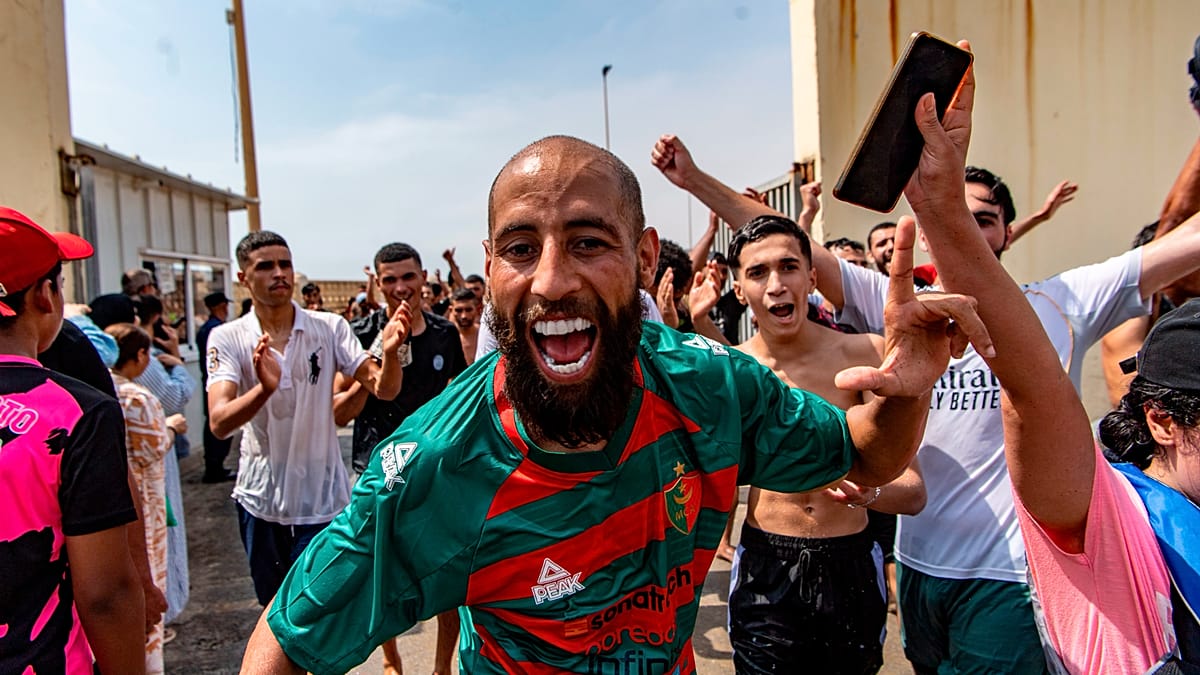
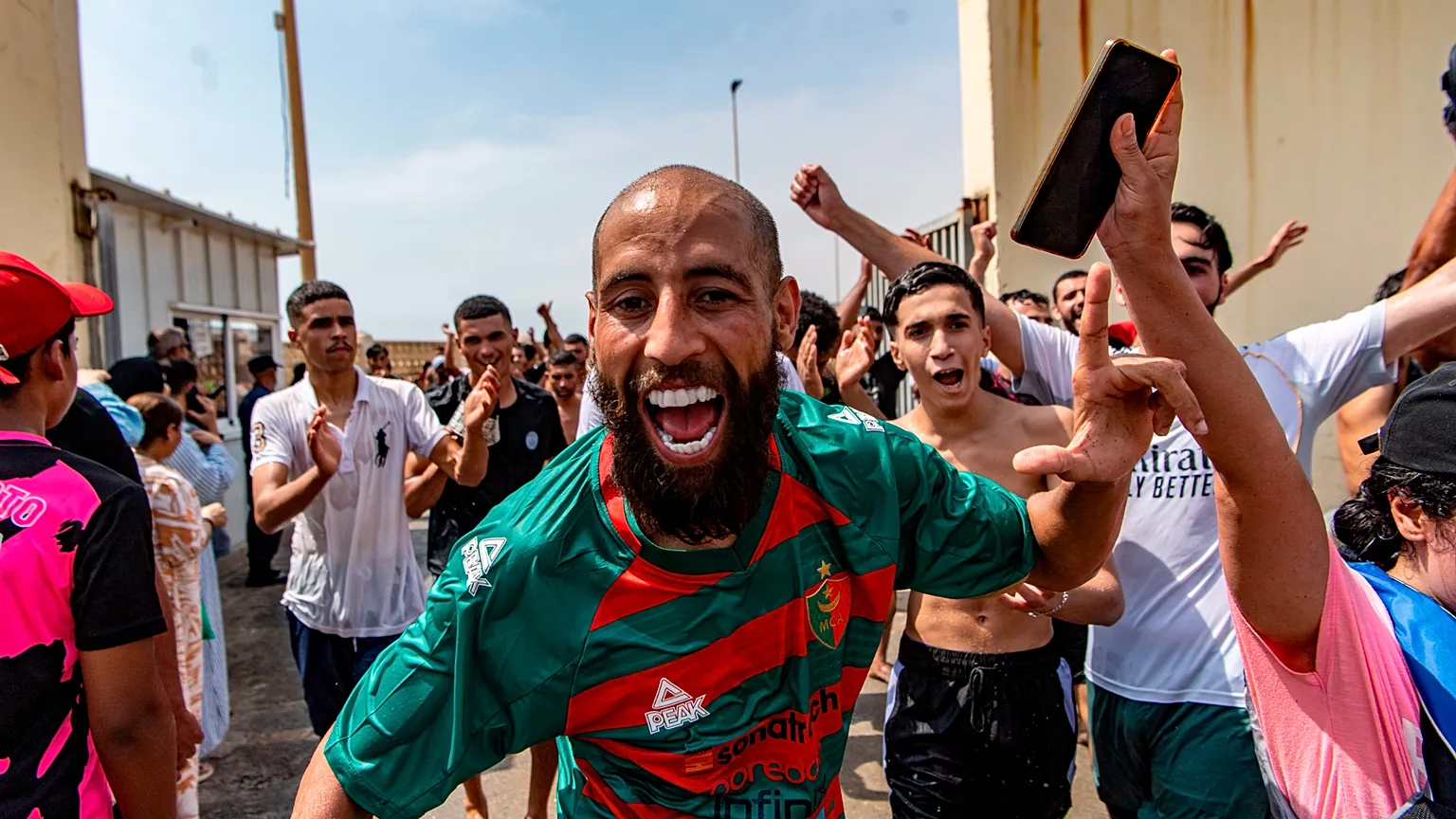
Videos from Ceuta’s Tarajal Beach depict the chaos that unfolded, with large crowds sprinting between the breakwater and roads bordering the frontier zone.
While most arrivals were young men, footage also showed women with children and entire families risking drowning and exhaustion in their journey.
How have Morocco and North Africa’s broader public responded to these events?
Morocco revives sovereignty claims over Ceuta
The events in Ceuta on Thursday reignited one of the most sensitive issues in Moroccan-Spanish relations: sovereignty over Ceuta and Melilla, which Rabat has long regarded as integral to its territory since gaining independence from France and Spain in 1956.
The crisis coincided with Morocco’s Throne Day celebrations, commemorating the king’s accession and renewing bonds between the monarchy and its people.
Local media Hespress highlighted how the mass crossings to Ceuta and subsequent attempts to reach Melilla have thrust border socio-economic challenges back into the spotlight.
The outlet emphasized that the crisis underscored “the ties between these cities and their Moroccan surroundings, as well as the complexities of their historical sovereignty dispute.”
Hespress reported that Ceuta’s local authorities urged Madrid’s central government to intervene, leading to swift contact between Spanish and Moroccan officials. The two sides ultimately agreed to return those who had entered the city to their points of origin.
The outlet quoted Yahya Yahya, head of the National Committee for the Reintegration of Ceuta, Melilla and Adjacent Islands, who argued that Ceuta’s handling of the crisis exposed “the fragility of Spain’s presence in the region.” He described the city’s request to deploy the military as a “political failure.”
Algeria’s sharp political stance
Meanwhile, Algeria’s desire to assert political leverage over Morocco—and the long-standing rivalry between the two neighbours—shaped the country’s public response to the Ceuta events.
Algerian media outlet Tout sur l’Algérie framed the situation as a “mass exodus of Moroccans,” accusing Rabat of wielding the “migration card” against Madrid, dubbing Morocco the “Europe’s spoiled child.”
The outlet suggested that European leaders were directing criticism at Spain rather than addressing what it framed as the root cause of the migrant surge. It pointed to Italian Prime Minister Giorgia Meloni’s call to suspend Spain’s Schengen membership following the events.
The outlet further alleged that Moroccan security forces had allowed crowds of migrants to enter Ceuta unchecked, either implying an inability to control borders or an intentional use of migration as a tool against Spain.
It also spotlighted reactions from France’s far-right, which it claimed “blamed Spain without uttering a single word about Morocco.”
Algeria’s state broadcaster echoed this criticism, describing the events as a “mass exodus” reflecting Morocco’s economic and social struggles.
Algeria itself faces a youth unemployment rate of 31%, compounded by the government’s crackdown on the Hirak protest movement (2019–2021) and the use of legal proceedings to silence journalists, activists and opponents.
Unsurprisingly, politics seeped into public discourse. Social media platforms were flooded with sarcastic comments, including one that dubbed Morocco the “Switzerland of Africa” and insisted Ceuta is Spanish.
One Moroccan user countered, noting that migrants included Algerians seeking escape from their own country’s harsh realities.
Another highlighted a video exposing irregular migration in Algeria, questioning the media silence surrounding the issue.
Tunisia: Humour meets hardship
In Tunisia, social media users shared videos of the mass crossing, with some comments adopting a humorous tone. One user quipped, “Only the king remains,” a reference to the rapid exodus of Moroccans.
Others framed the images as a stark reminder of the deepening social and economic crisis gripping North African youth, arguing that rising unemployment is pushing people to risk their lives for Europe.
Tunisia, too, grapples with structural economic challenges. Youth unemployment reached 38% in 2025, the highest among Maghreb countries, and the country has become a significant source of irregular migration to Europe. Tunisian nationals now rank among the largest groups crossing the Mediterranean to Italy, adding irony to Tunisians’ comments on the Ceuta events.
President Kaïs Saïed consolidated executive power in July 2021, dissolved parliament and adopted a new constitution in 2022, which human rights groups describe as dismantling the gains of the 2011 revolution.
Key facts about Ceuta and Melilla
Spain governs two enclaves bordering northern Morocco: Ceuta and Melilla.
Ceuta was conquered by the Portuguese in 1415 and remained under Portuguese control for nearly two centuries before passing to Spanish rule in 1668 under the Treaty of Lisbon. Melilla came under Spanish authority in the late 15th century when Spain captured it in 1497, five years after the fall of Granada, the last Islamic stronghold on the Iberian Peninsula.
In 1995, Madrid granted both cities autonomous status, aligning them with Spain’s other decentralized regions. However, Morocco continues to view Ceuta and Melilla as occupied territories, referring to them as “the two enclaves,” and insists the issue be resolved through dialogue with Spain.
Madrid, for its part, reaffirms its sovereignty over the enclaves, which have become major transit points for smuggling and irregular migration into Europe via Spain. In response, Spanish authorities built a 8.4-kilometre-long barrier separating Ceuta from Morocco in 1995, reaching heights of up to 10 metres in places. The fence is equipped with barbed wire, electronic sensors and loudspeakers to deter intrusions.
A second border barrier was constructed between Melilla and Morocco in the mid-1990s. Stretching 12 kilometres and standing about two metres high, it features similar electronic surveillance to prevent illegal migrant entries.
The 2021 crisis, which saw around 8,000 people cross the border in days, was widely attributed to a diplomatic spat between Madrid and Rabat after Spain allowed the leader of the Polisario Front, Brahim Ghali, to receive medical treatment in Spain. Morocco denied any involvement at the time.