Benin-Niger border thaw raises hopes for economic revival
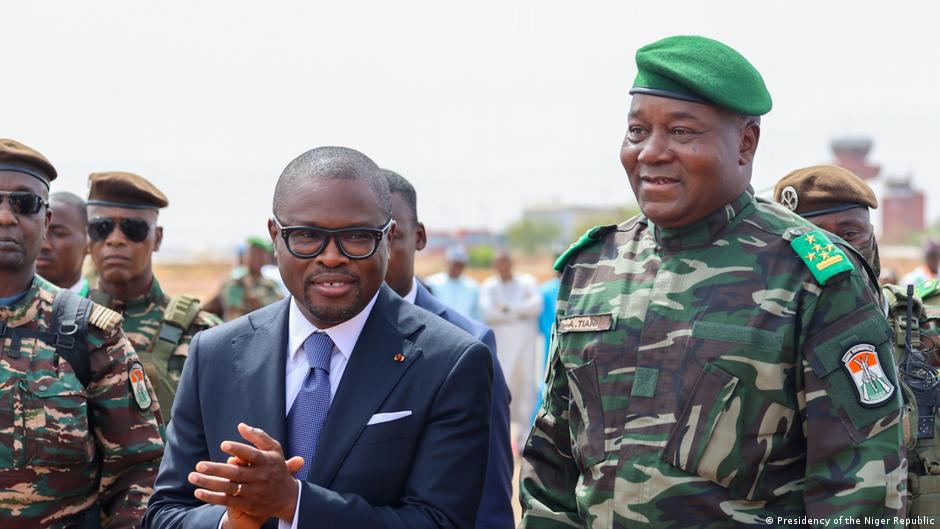
The joint expert committee tasked with examining the reopening of the Benin-Niger border has delivered its findings. While progress has been achieved on security, transit protocols, and select legal and economic parameters, Niamey has imposed three non-negotiable conditions that may delay formal political ratification of the agreement.
With the closure entering its third year, the consequences for both nations have been severe, spanning economic hardship and humanitarian strain. What path forward could emerge from this prolonged standoff?
Three non-negotiable prerequisites
Nigerian authorities have outlined three uncompromising demands for a sustainable border reopening, shuttered since 2023:
- Mutual defense pact: A formal security agreement between Benin and Niger, explicitly renouncing aggression and pledging not to host destabilization efforts targeting the other nation.
Régis Hounkpè, executive director of InterGlobe Conseils, emphasizes the necessity of this accord: “Mutual non-aggression is fundamental. While such commitments are standard, the current context of strained relations makes them particularly significant. The focus must now shift to practical implementation—ensuring both nations adhere to these principles without imposing rigid enforcement mechanisms.”
- Shared intelligence framework: Establishing a joint cell for real-time information exchange, especially concerning terrorism and cross-border trafficking.
Hounkpè welcomes this initiative, highlighting its reciprocal benefits: “A joint intelligence platform would reinforce trust, ensuring neither side harbors destabilization ambitions.”
- Military transparency: Full disclosure of foreign military presence or deployments along the Beninese side of the border.
Hounkpè frames this as a sovereignty issue: “Benin’s sovereign right to forge defense partnerships—with France, China, Russia, or others—must be respected. The key constraint is avoiding the use of these alliances to undermine Niger’s stability. Pragmatically, no nation benefits from exporting instability.”
These demands reflect lingering political distrust since the 2023 military coups in both countries, as authorities seek reassurance over territorial integrity and regional security.
Niger’s economic toll from border closure
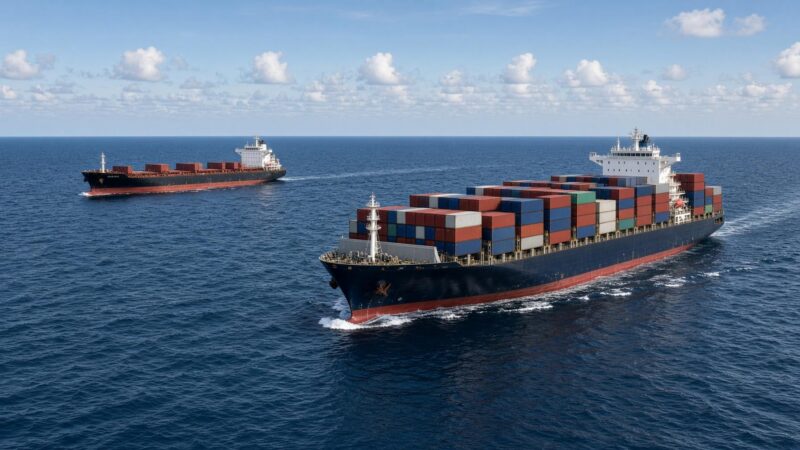
Without meeting these conditions, the border remains closed—a closure that cripples a vital trade corridor for both nations. Niger, a landlocked state, relies on Benin for 70% of its imports, including critical supplies like fuel and construction materials. The closure has forced costly detours through Nigeria, driving up logistics expenses by 30–50% in three years.
The impact extends beyond trade. The 2,000-km Agadem oil pipeline, linking Niger’s oilfields to Benin’s Sèmè-Kpodji port, has seen suspended flows, depriving Niger of projected revenues. Regional partners like Mali and Burkina Faso—also landlocked—face similar disruptions, as the Beninese port of Cotonou serves as their primary maritime gateway.
Benin’s economic squeeze
Benin, too, suffers from the standoff. Transit fees and port congestion have plummeted, with some sectors experiencing up to 60% revenue losses. Blocked containers and rerouted shipments to Togo and Nigeria threaten Benin’s status as a regional logistics hub. Local markets in Malanville and Gaya report halved customer traffic, with small businesses shuttering and families facing isolation.
Beyond commerce, the border’s closure has severed social ties, heightened smuggling risks, and pushed vulnerable populations into precarious conditions. The human cost compounds the economic strain.
A shared path to recovery
Régis Hounkpè underscores the mutual benefits of reopening: “Restoring trade flows would revitalize Cotonou’s port, reinvigorate transport and logistics sectors, and restore economic vitality for both nations. The alternative—continued paralysis—undermines regional stability and economic resilience.”
The stakes are clear: Benin and Niger must transcend political divisions to prioritize economic survival and regional cooperation. Hounkpè expresses optimism: “Geopolitical posturing must yield to practical needs. Survival depends on economic recovery, logistical efficiency, security collaboration, and counterterrorism efforts.”
Progressive border reopening—starting with high-priority goods under reinforced controls—appears likely. If negotiations succeed, the resolution could serve as a model for the African Union and ECOWAS, much like the recent economic-driven détente between Mali and Côte d’Ivoire.