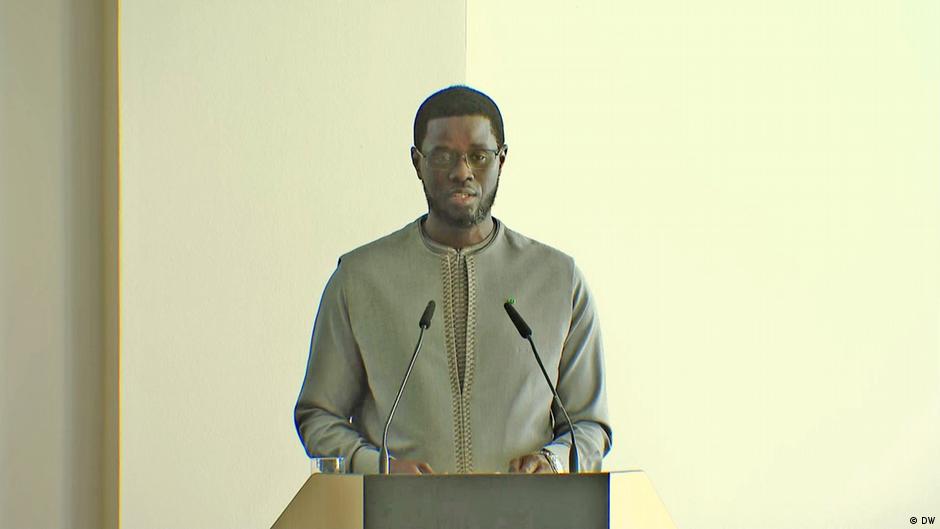
Senegalese President Bassirou Diomaye Faye concluded a high-profile visit to Berlin on Monday by addressing a German-Senegalese economic forum, where he outlined his country’s most compelling advantages for foreign investors. The following day, he is set to hold pivotal discussions with German Chancellor Friedrich Merz and President Frank-Walter Steinmeier to strengthen bilateral ties.
The Senegalese head of state used the platform in Germany’s capital to showcase his nation’s untapped potential, emphasizing recent reforms aimed at making the country more attractive to international business partners. Dakar’s diplomatic outreach comes at a time when Senegal is actively courting private sector investment to fuel its economic growth.
Key reforms and economic reforms highlighted by Faye
During his German engagement, President Faye underscored several transformative measures implemented by his administration to create a more business-friendly environment. He pointed to ongoing revisions of the customs code designed to eliminate bureaucratic bottlenecks, alongside the introduction of a new investment code and stricter anti-corruption frameworks. These initiatives form part of a broader strategy to position Senegal as a prime destination for foreign direct investment.
Natural wealth and strategic position
The Senegalese leader went on to highlight his country’s political stability and long-standing democratic traditions, positioning Senegal as a gateway to vast markets. He noted that the West African nation serves as an entry point to over 300 million consumers within the Economic Community of West African States (ECOWAS) and approximately one billion across the African Continental Free Trade Area (AfCFTA).
Faye also emphasized Senegal’s rich natural resource endowment, including recently discovered oil and gas fields that are currently under development. He further mentioned substantial deposits of phosphate, iron, gold, zircon, and emerging uranium potential—all supported by a youthful and dynamic workforce.
Workforce development and energy cooperation
Germany, facing a significant labor shortage, has shown particular interest in Senegal’s vocational training initiatives. The energy sector has also emerged as a focal point for German companies looking to expand their operations in West Africa. Meanwhile, the International Monetary Fund recently completed an assessment mission in Dakar, where officials reiterated their commitment to pursuing a new IMF-supported program.
The IMF acknowledged Senegal’s resilient economy, which was bolstered last year by the hydrocarbons sector despite the challenges posed by a difficult global economic climate. Senegalese authorities have expressed renewed interest in securing a new program with the Fund—a decision that has sparked debate within the country’s political landscape.