Military operations fail to secure lasting control in Burkina Faso’s north
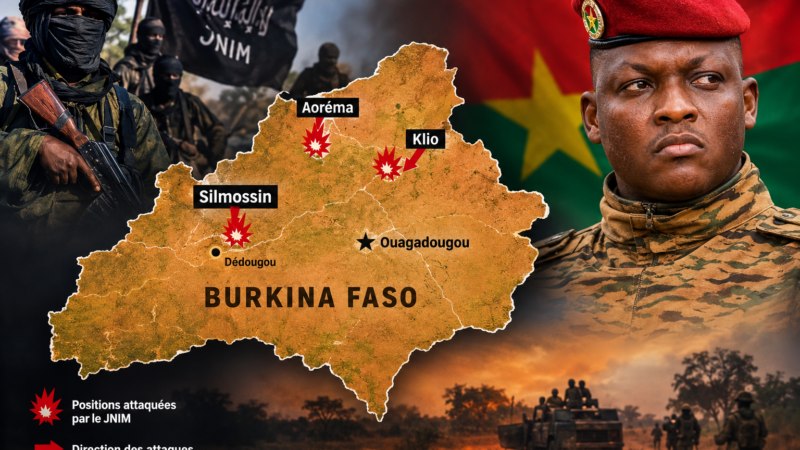
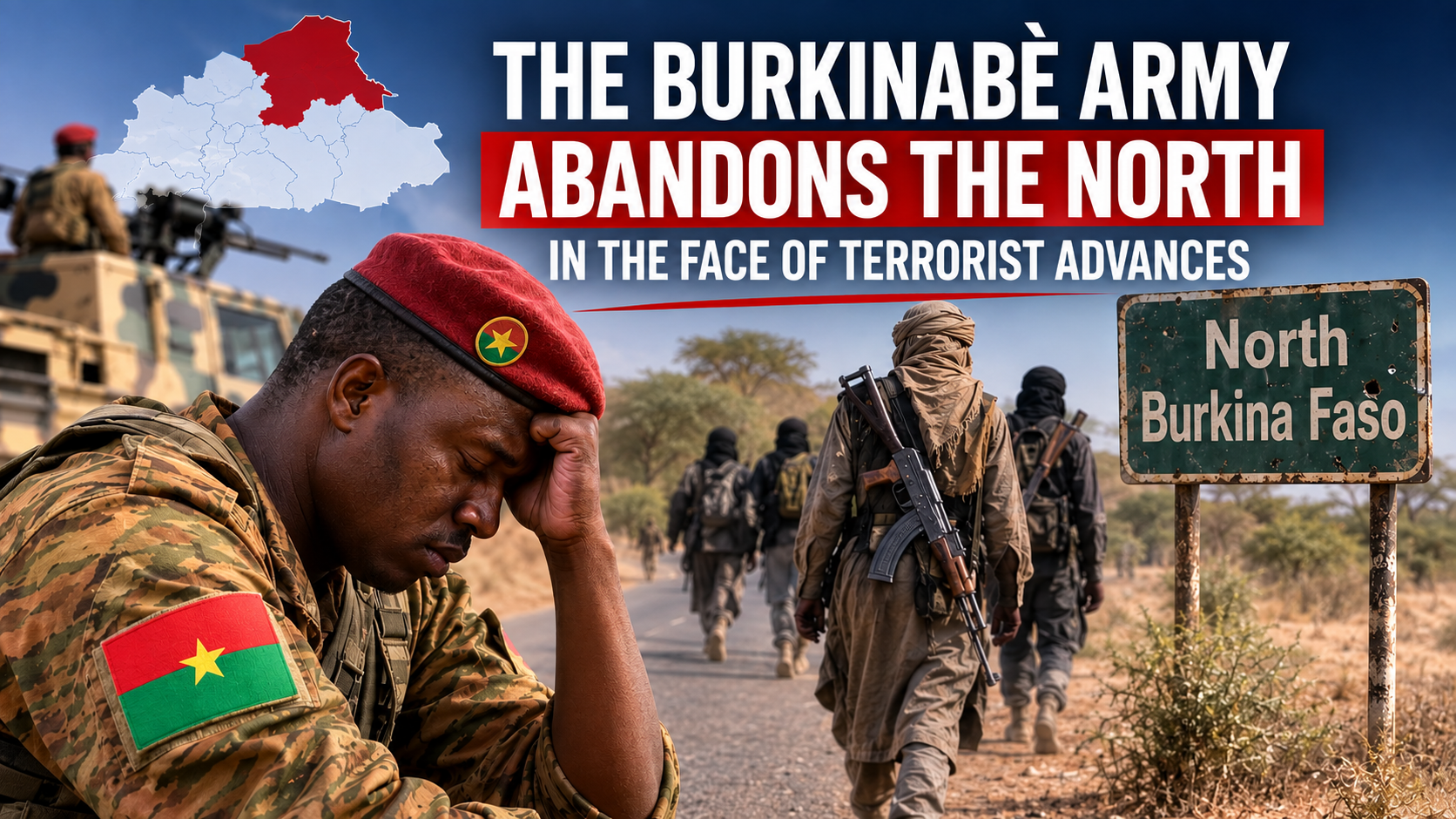
The Burkina Faso army, despite deploying significant resources and launching frequent offensive operations, continues to struggle with maintaining security in the northern regions. Armed groups have not been eradicated but have instead adapted their tactics, avoiding direct confrontations and instead waging a protracted campaign based on mobility, harassment, and pressure on local communities.
Conflict evolves into a shifting battle rather than a static fight
The nature of the adversary complicates counterterrorism efforts. Armed factions avoid holding fixed positions, making them difficult to track and target. Following military operations, some fighters disperse into rural areas, only to re-emerge elsewhere, exploiting gaps in the security apparatus. This fluid strategy turns the conflict into a series of displacements rather than a traditional territorial battle.
Roads remain critical vulnerabilities
Control over transportation routes is a key indicator of security conditions. In northern Burkina Faso, attacks, ambushes, and improvised explosive devices continue to disrupt the movement of people, goods, and security forces. The impact extends beyond military concerns—market activity slows, supply chains become costlier, and some communities face isolation from major urban centers. A city may appear secure within its limits, yet its accessibility remains a persistent weak point.
Holding territory proves more difficult than reclaiming it
While military offensives can retake positions, sustaining control remains the greater challenge. Without a robust administrative, policing, and judicial presence after an operation, the risk of insurgent re-infiltration persists. Groups may exploit these gaps to rebuild their networks, rendering temporary military gains meaningless without follow-up stabilization efforts.
Post-offensive recovery requires restoring security for civilians, reopening schools and health centers, enabling farmers to return to their lands, and reinstating government services. Failure to implement these measures risks turning tactical victories into short-lived successes.
Civilian populations bear the brunt of insecurity
Beyond military statistics lie the harsh realities faced by communities living under constant threat. Forced displacements, disrupted agriculture, shuttered public services, and crippled trade deepen poverty and vulnerability. As economic and social conditions deteriorate, populations become more susceptible to coercion by armed actors. Meanwhile, a weakened state presence only widens the space for insurgent influence.
Communications cannot substitute for ground realities
Military messaging plays a role in morale-building and public information, but it cannot replace an accurate assessment of battlefield conditions. The number of operations conducted or fighters neutralized does not equate to victory. True success is measured by restored freedom of movement, reopened roads, resumed public services, revived economic activity, and the state’s ability to assert authority in recaptured zones.
A series of tactical wins may obscure a strategically precarious situation where insurgents retain the capacity to regroup and strike.
Military force alone cannot resolve the crisis
Burkina Faso’s struggle reflects the transformation of a military issue into a complex, multidimensional crisis. While force remains essential against armed groups, it cannot constitute a comprehensive solution. Sustainable stabilization demands a multifaceted approach: enhanced intelligence, secured transportation corridors, civilian protection, administrative reintegration, access to social services, support for displaced populations, and economic recovery.
Equally critical is avoiding policies that exacerbate community divisions. In a conflict where misinformation and distrust fuel instability, rebuilding trust between civilians and state institutions is itself a security imperative.
The danger of premature declarations of victory
The risk lies in mistaking military pressure for actual resolution. Insurgents may suffer losses, retreat temporarily, or face heavy strikes while retaining the ability to disperse, shift tactics, and exploit state weaknesses. Tactical setbacks can easily become phases of regrouping rather than definitive defeats.
The true measure of progress is not the number of positions retaken or operations conducted, but whether the state can permanently hold recaptured territories and restore normal life. Until stabilization efforts match military gains, announcements of success risk obscuring a harsher truth: a conflict that mutates, relocates, and entrenches itself over time.
The ultimate goal is not merely to push back armed groups temporarily, but to make their return impossible by simultaneously restoring security, public authority, and the foundations of civilian life.