World bank funds Chad water and climate resilience projects
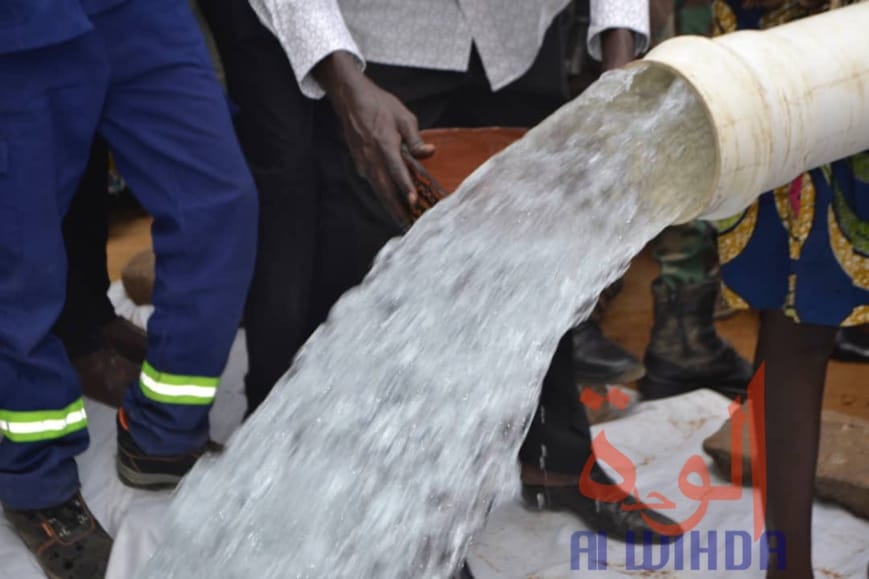
The World Bank has greenlit a significant initiative in Chad, allocating $160 million to bolster water security and climate resilience in vulnerable regions. This funding targets one million people, with women making up over half of the beneficiaries, to address pressing environmental and humanitarian challenges.
a strategic investment in water security and climate adaptation
The funds, provided through the International Development Association (IDA), will support the Water Security and Resilience Support Project (PASER), a multi-faceted effort to enhance Chad’s ability to withstand climate shocks. The project focuses on strengthening water infrastructure, ensuring sustainable resource management, and empowering local communities to adapt to environmental changes.
Chad’s eastern regions, already strained by the arrival of over 1.3 million refugees from Sudan, face severe water scarcity and resource conflicts. PASER aims to mitigate these pressures by improving access to clean water, reducing tensions, and fostering economic stability in host communities and refugee settlements alike.
key objectives and community impact
PASER’s goals include:
- Enhancing water infrastructure: Building resilient systems to withstand droughts, floods, and land degradation.
- Local capacity building: Training communities in sustainable resource management and climate-smart practices.
- Promoting social cohesion: Reducing conflicts over resources by ensuring equitable access to water and economic opportunities.
The project aligns with Chad’s national development strategy, Chad Connexion 2030 – Programme 15, which prioritizes a shift from humanitarian aid to long-term resilience and inclusive growth. By integrating refugees and host communities into development plans, PASER seeks to create a foundation for peace and stability in regions grappling with displacement and environmental stress.
a step toward stability and inclusion
Farouk Mollah Banna, the World Bank’s Resident Representative in Chad, emphasized the project’s role in addressing root causes of fragility: “Water scarcity and resource disparities are major drivers of instability. This initiative will restore access to essential services and build trust in communities where tensions run high.” The project’s design ensures that 50.6% of beneficiaries are women, reflecting a commitment to gender-inclusive development.
Hawa Cissé Wagué, the World Bank’s Acting Country Director for Chad, highlighted the broader impact: “By combining development investments with peace-building efforts, this project demonstrates how targeted funding can transform fragile contexts. It supports Chad’s journey toward resilience, stability, and shared prosperity.” The initiative will cover refugee-hosting provinces, the capital N’Djamena, and other high-risk areas.