Senegal presidential term limits: the truth behind the rumors
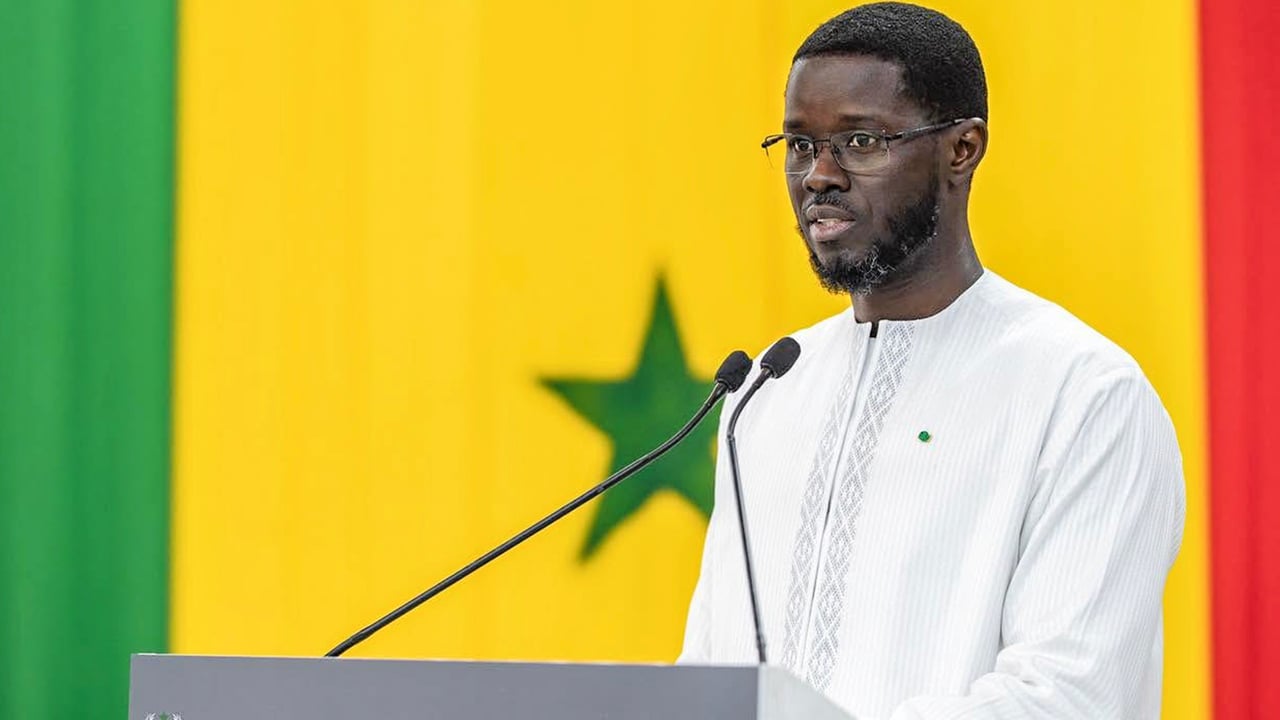

As President Bassirou Diomaye Faye completes his first year in office, whispers about potential changes to Senegal’s presidential term limits have begun circulating. These murmurs, though persistent, are not without historical context or political significance.
Where the rumors started
The debate over presidential mandates in Senegal is not a new phenomenon. It stems from past controversies, particularly during the tenure of former President Macky Sall, when constitutional amendments were proposed that sparked intense national discussions. These proposals, though ultimately abandoned, left a lasting impression on the public consciousness, fueling ongoing speculation about future amendments.
Constitutional context and public reaction
The current Senegalese constitution clearly defines presidential term limits, but historical precedents have made citizens wary of potential loopholes. The 2016 reforms, which reduced presidential terms from seven to five years while maintaining a two-term limit, were met with both approval and skepticism. Many viewed these changes as progress, while others saw them as an attempt to manipulate term restrictions without eliminating them entirely.
Today, as President Faye navigates his administration’s early phase, the debate has resurfaced. Political observers note that the timing of these rumors coincides with broader discussions about governance, transparency, and institutional trust in the country.
What the constitution says
Under Senegal’s current constitutional framework, the president is limited to two consecutive five-year terms. This provision was introduced to strengthen democratic norms and prevent the concentration of power. However, the legal text also includes safeguards that allow for constitutional revisions, provided they follow a rigorous legislative process.
Legal experts emphasize that any amendment to term limits would require a supermajority in the National Assembly and a national referendum. Such a process would demand broad consensus, making unilateral changes highly improbable without significant political will.
Political dynamics at play
The resurgence of these rumors cannot be separated from the evolving political landscape in Senegal. President Faye’s administration has prioritized reforms aimed at combating corruption, improving governance, and restoring public confidence in state institutions. Yet, these efforts have also intensified scrutiny of the government’s long-term intentions, particularly regarding constitutional matters.
Opposition figures and civil society groups have been vocal in their demands for clarity. Some argue that any proposal to alter term limits would undermine democratic progress, while others suggest that flexible interpretations of the constitution could be necessary to address emerging governance challenges.
Within the ruling coalition, opinions appear divided. While some factions advocate for stability and adherence to existing laws, others hint at the need for flexibility to accommodate future political realities. This internal tension adds another layer of complexity to an already sensitive issue.
Public sentiment and the road ahead
Senegalese citizens remain deeply engaged in the conversation about presidential term limits. Public opinion polls indicate mixed feelings—some express confidence in the current system, while others call for greater protections against potential abuses of power. Civil society organizations have taken the lead in organizing debates, town halls, and awareness campaigns to educate the public on their rights and the implications of constitutional revisions.
As the political narrative continues to unfold, one thing is clear: the issue of presidential term limits will remain a focal point of national discourse. Whether these discussions lead to tangible changes or simply reinforce existing norms will depend on the balance of political forces and the will of the Senegalese people to uphold democratic principles.
For now, the rumors persist, but their resolution hinges on transparency, legal rigor, and a collective commitment to the values of democracy that Senegal has worked hard to cultivate.