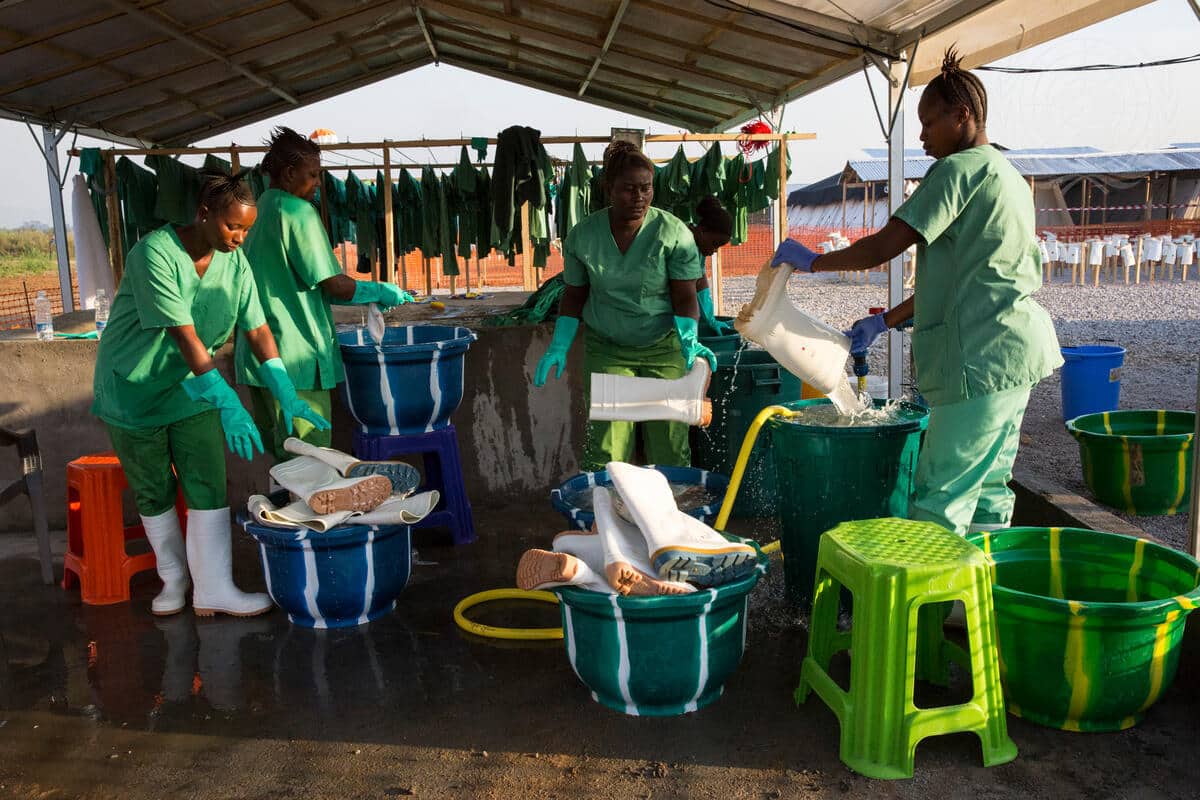
An Ebola epidemic emerged in the Democratic Republic of the Congo (DRC) on May 15, taking root in Ituri Province, located in the northeast. Since then, the Bundibugyo Ebola virus—a rare strain for which no approved vaccine or targeted treatment currently exists—has continued its relentless spread. Outbreaks have also been confirmed in other eastern provinces such as North Kivu, South Kivu, Haut-Uele, and Tshopo, with confirmed cases crossing into Uganda. Despite interventions by humanitarian groups including Medair and World Vision, the situation remains critical.
On August 3, a United Nations update painted a grim picture of the crisis. Citing figures from the World Health Organization (WHO) as of August 1, the report revealed 3,748 confirmed cases and 1,587 fatalities recorded by July 30, translating to a fatality rate of 44%. The surge in transmission is particularly alarming, with 567 new cases and 296 deaths reported in just one week—the highest weekly toll since the outbreak began.
Healthcare workers are among the hardest hit, with 44 fatalities and 151 infections documented to date. In response to the escalating threat, the United Nations emphasized that “care and containment capacities are being scaled up significantly”. The International Medical Corps (IMC), in collaboration with UN agencies, is mobilizing additional resources to strengthen response efforts.