Benin unveils bold climate roadmap to secure 2035 economy
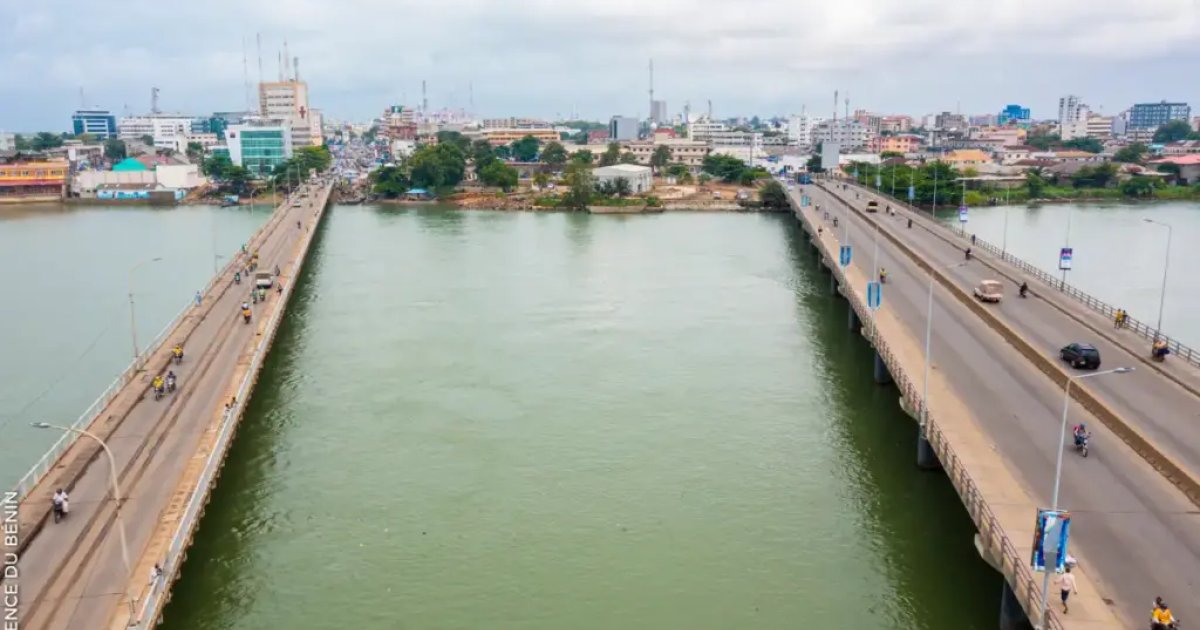
Cotonou has become the epicenter of climate action in West Africa as the Beninese government officially launched its third National Determined Contribution (NDC 3.0) for 2026-2035. The ambitious framework, unveiled during a high-level gathering at the Novotel Cotonou Orisha, outlines a 14.5 billion dollar investment plan to transform the country’s economic resilience against climate threats.
This strategic document serves as both a policy compass and financial blueprint, guiding adaptation measures, infrastructure investments, and territorial development across sectors most vulnerable to climate change. From agricultural lands to coastal cities, the NDC 3.0 casts a wide net to address the multifaceted impacts of global warming.

Aligning climate resilience with economic growth
The newly adopted NDC 3.0 is not merely an environmental pledge—it is a strategic economic recovery plan. By channeling funds into climate-adaptive infrastructure, water resource management, and renewable energy projects, Benin aims to shield its economy from the growing threats of droughts, floods, coastal erosion, and natural resource degradation.
Key sectors highlighted in the roadmap include agriculture, energy, water supply, forestry, public health, infrastructure, tourism, and coastal zones. Each sector will undergo targeted interventions to minimize climate-related risks while maximizing long-term sustainability.
Financing climate resilience: a 14.5 billion dollar vision
The total funding requirement of 14.5 billion dollars reflects the scale of transformation envisioned. While the breakdown between public, private, and international funding sources has not been finalized, the government stresses the need for coordinated action among domestic agencies, international partners, and private investors.
Diplomatic missions such as the German Embassy in Benin have already signaled their support. Felix Kress, cooperation attaché at the German Embassy, participated in the launch, underscoring the importance of international collaboration in technical assistance, capacity building, and financial mobilization.
At the launch event, Minister of Living Environment and Transport (in charge of Sustainable Development), Georges Alé, and the United Nations Resident Coordinator in Benin, Aminatou Sar, jointly emphasized the cross-cutting nature of climate adaptation. They stressed that climate considerations must now be embedded in all public policies, infrastructure planning, and economic development strategies.
From vision to action: the road ahead
While the NDC 3.0 sets a clear direction, its success hinges on execution. The government has called on technical and financial partners to support project design, funding mobilization, and performance monitoring—especially in the most climate-exposed regions and communities.
The coming months will be critical in translating policy into tangible initiatives. Detailed project timelines, financing mechanisms, and monitoring frameworks are expected to be rolled out, giving shape to Benin’s commitment to a climate-resilient future by 2035.