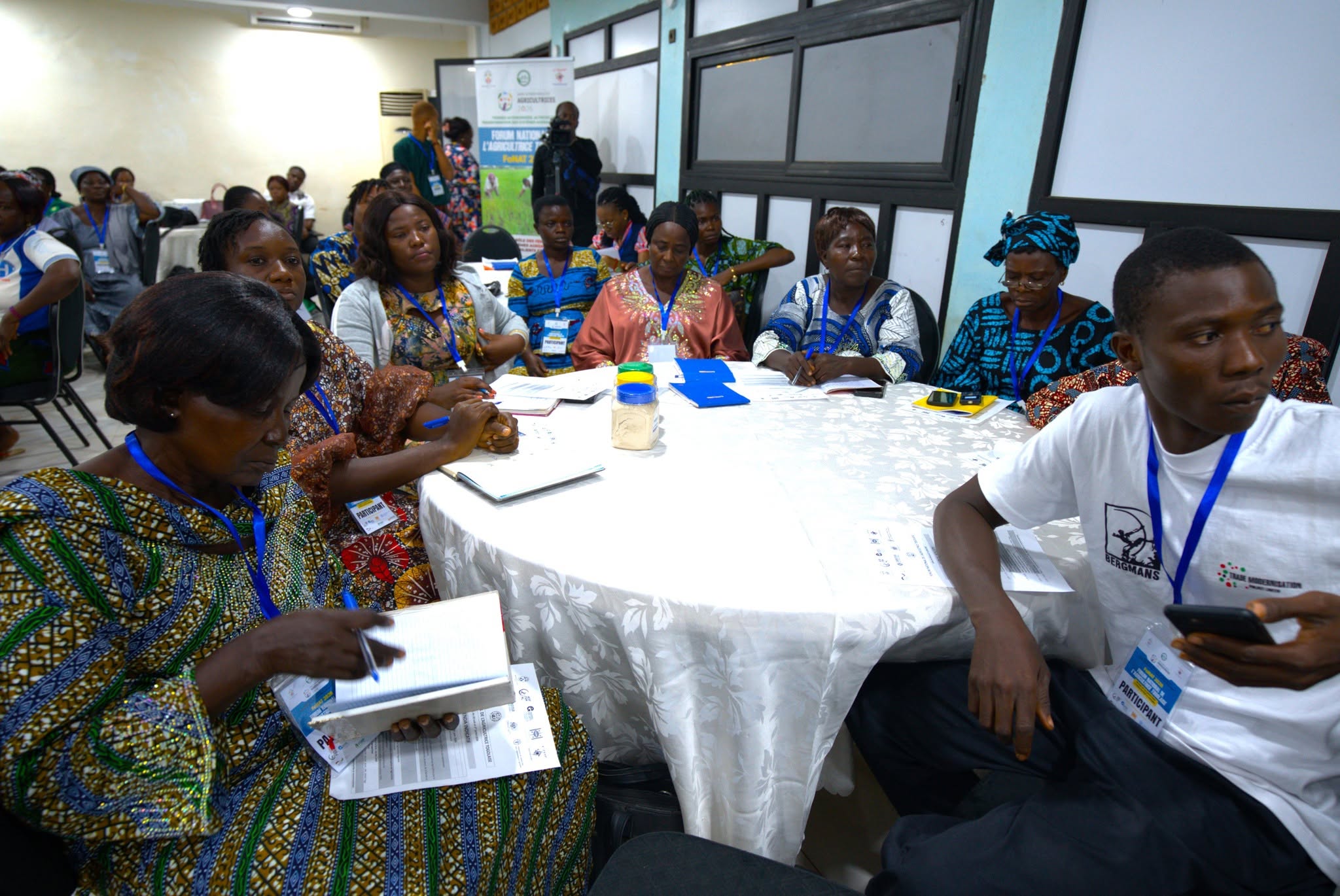
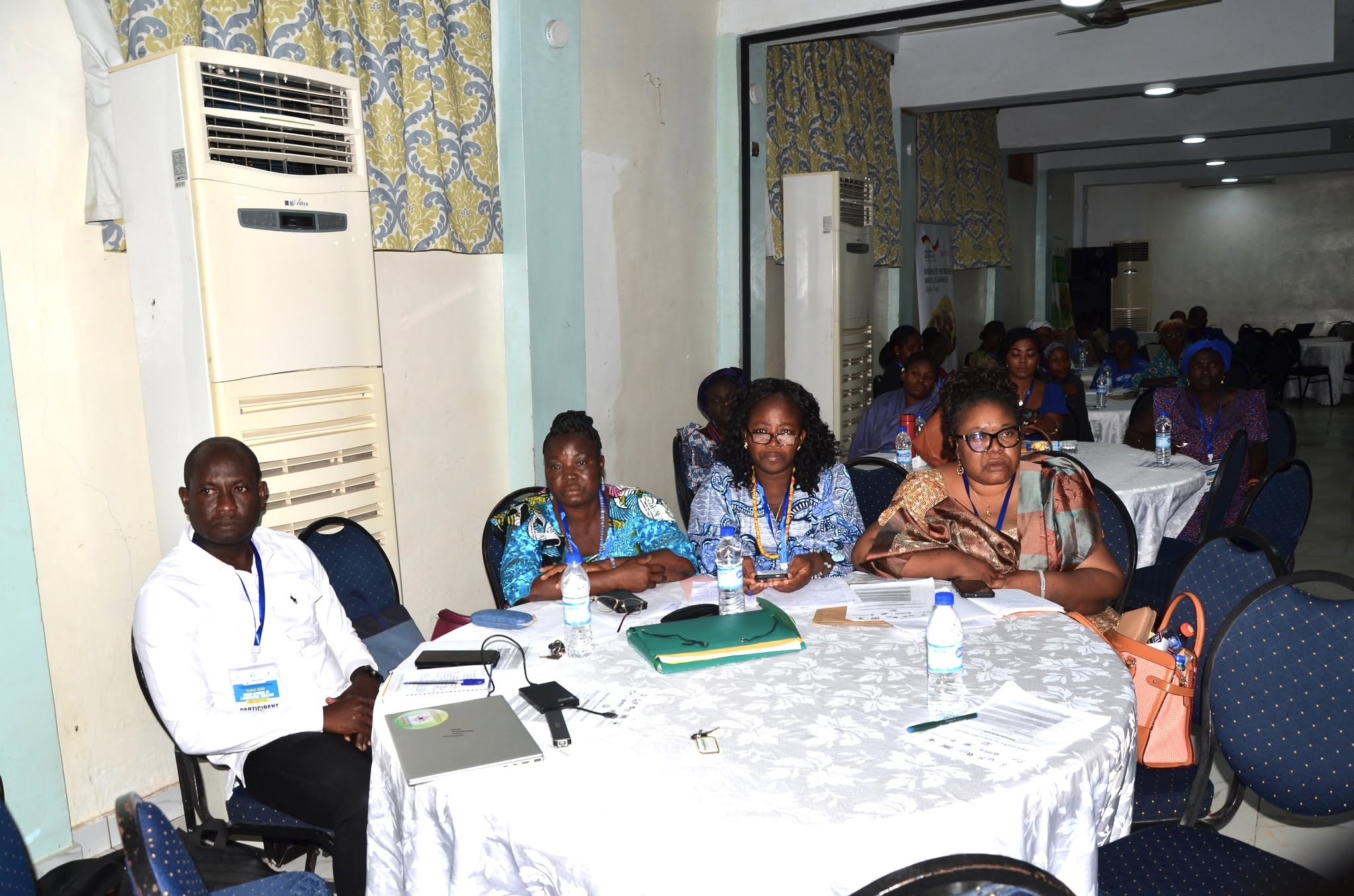
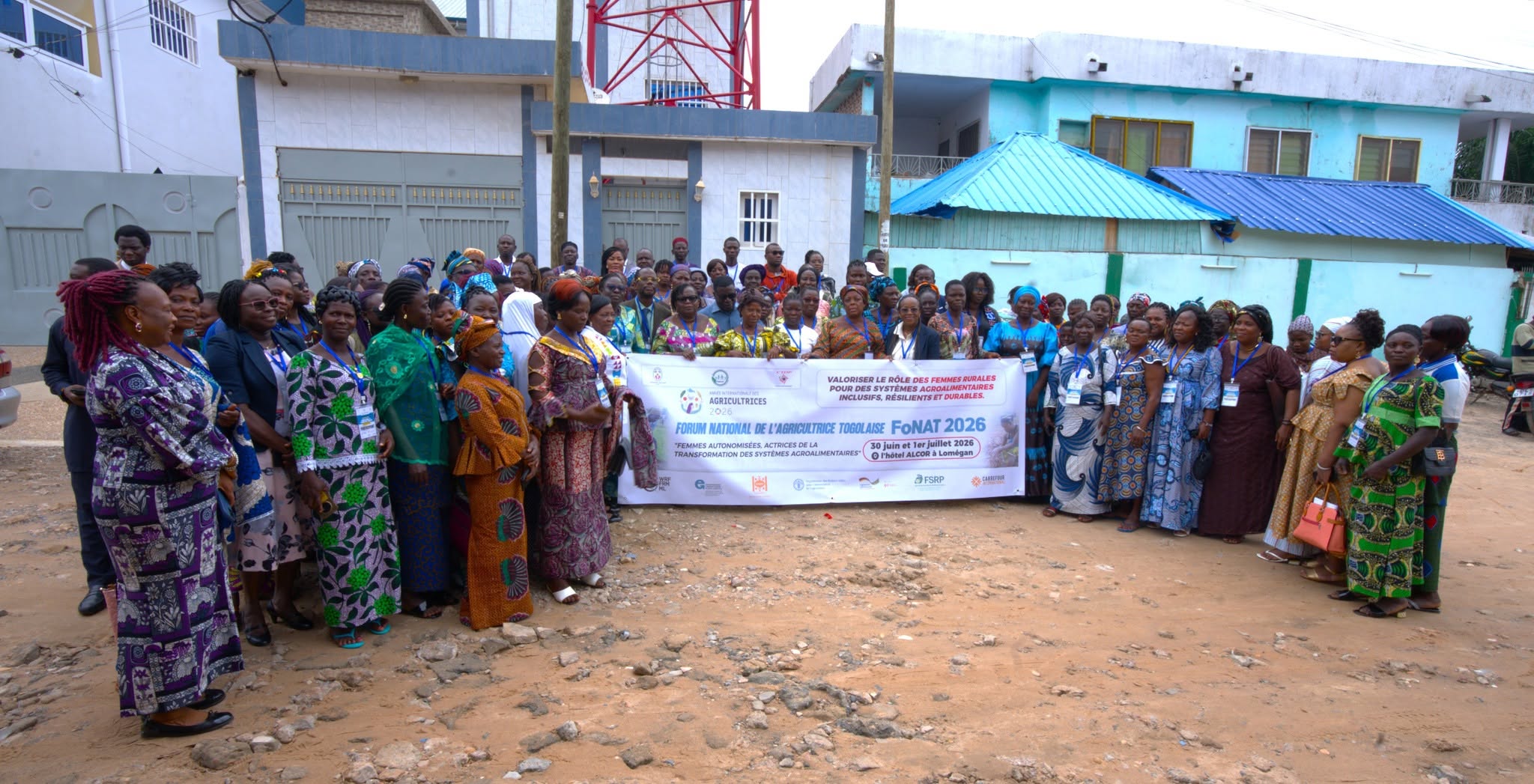
At the National Forum of Togolese Women Farmers 2026, rural women in Lomé are championing their pivotal role in reshaping agricultural policies and driving food security.
Lomé, July 1, 2026 – While women play a crucial role in agricultural production, product processing, and local market supply, their access to land, financing, and modern farming technologies remains severely restricted. To address these systemic barriers, hundreds of rural women have gathered in Lomé since June 30 for the National Forum of Togolese Women Farmers (FoNAT 2026), aiming to amplify their voices in national agricultural discourse.
Confronting structural barriers in agriculture
The forum, organized by the Togolese Coordination of Peasant and Agricultural Producer Organizations (CTOP) and the National Platform of Togolese Women Farmers (PNAFAT), aligns with the United Nations’ International Year of Women in Agriculture 2026. Discussions have highlighted persistent challenges, including limited land ownership due to legal, customary, and financial constraints, restricted access to agricultural credit, and barriers to adopting climate-smart innovations.
Participants emphasize that overcoming these obstacles is key to unlocking their economic autonomy and strengthening their contributions to national food security.
Showcasing local innovation and enterprise
A dedicated exhibition at the forum spotlights processed agricultural products created by women-led enterprises. This initiative not only promotes local value-added goods but also fosters direct commercial linkages between producers, buyers, and development partners. The initiative underscores the forum’s commitment to bridging strategic policy discussions with on-the-ground economic realities, demonstrating the untapped potential of women-led agricultural businesses.
Building a resilient agricultural future
The FoNAT 2026 enjoys support from multiple technical and financial partners, including the Basque Cooperation, the World Rural Forum, the Food Systems Resilience Program in Togo (FSRP), the AgSyS/GIZ project, Carrefour International Canada, the Food and Agriculture Organization (FAO), and GIZ. Through this collaborative effort, organizers aim to craft actionable recommendations that can inform public policies benefiting rural women.
In a nation where agriculture remains the backbone of the economy, empowering women farmers is now recognized as essential to enhancing food security, generating sustainable income, and building climate resilience across Togolese communities.