Tobacco taxation as a public health tool in Cameroon
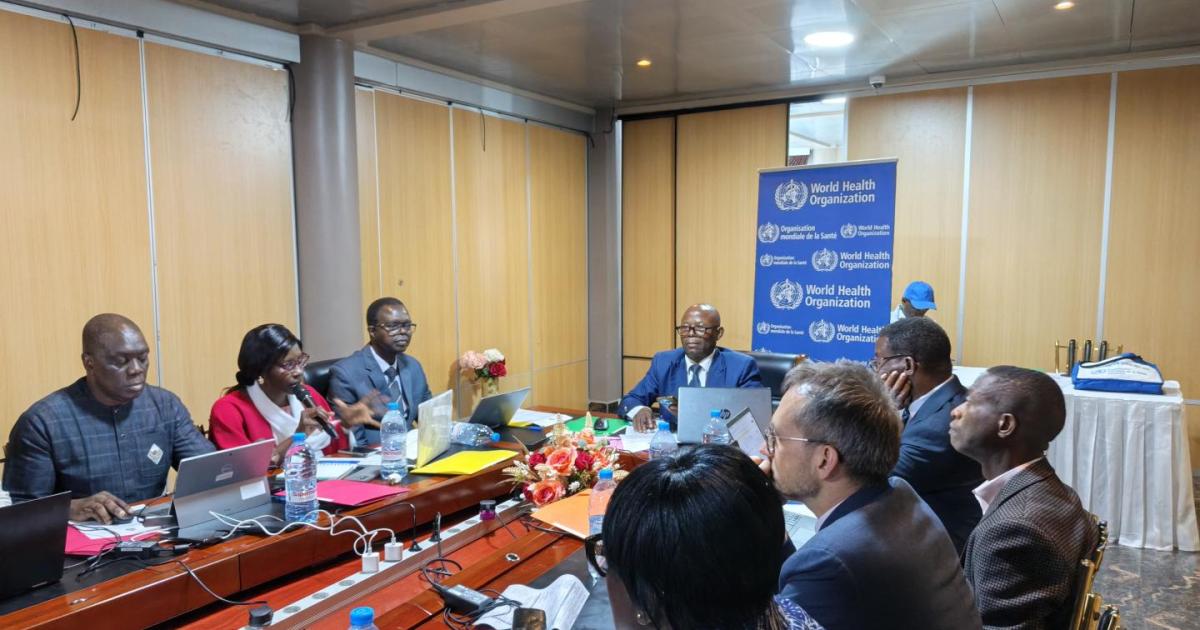
Mbankomo hosts pivotal workshop on tobacco tax reforms to boost health financing
For three intensive days in Mbankomo, high-level discussions shifted away from hospital construction or drug procurement. Instead, policymakers, health officials, customs authorities, legislators, civil society representatives, and technical partners focused on an unlikely lever for public health transformation: tobacco taxation.
Supported by the World Health Organization (WHO), the July 2026 gathering examined how adjusting fiscal policies on tobacco could simultaneously reduce smoking rates and fund sustainable health systems across Cameroon. The core question driving the exchange was clear: How can tax policy save more lives while securing long-term financial stability for the national healthcare system?
The silent burden: why Cameroon cannot afford to ignore tobacco
Despite global awareness of its dangers, tobacco remains a leading cause of preventable death in Cameroon. With an adult smoking prevalence of 9% and over 10% among adolescents aged 13 to 15, the country faces a mounting public health crisis. Worse still, 37% of the population is exposed to secondhand smoke, risking respiratory disease, cardiovascular conditions, and cancer.
Each year, tobacco claims approximately 66,000 lives in Cameroon. Beyond mortality, the habit drains household incomes, strains under-resourced health facilities, and diverts public funds from other critical services. Yet despite this heavy toll, cigarettes remain disturbingly affordable. In 2024, the most popular pack cost just $4.07 (PPP-adjusted), well below the African average of $5.06 and the global mean of $6.98. More concerning, tobacco taxes accounted for only 36% of retail prices—far below the WHO’s recommended 75% threshold.
Why higher taxes work: evidence from policy simulations
The workshop introduced WHO’s TaXSiM model, a powerful forecasting tool used by governments worldwide to evaluate the health and fiscal outcomes of tobacco tax reforms. Using Cameroon-specific data, participants ran multiple scenarios to assess potential impacts of tax increases on both public health and state revenue.
The results were compelling. Under a two-step tax hike plan:
- 2027: Increase the minimum specific tax on 1,000 cigarettes from 5,000 FCFA to 10,000 FCFA
- 2028: Raise the rate further to 15,000 FCFA, applying equally to imported and domestically produced brands
The projections showed a 19% drop in cigarette sales by 2028, with consumption falling from 162.9 million packs in 2026 to 131.9 million. This decline would translate to 66,000 fewer smokers nationwide.
On the fiscal side, excise revenue would surge from 15.2 billion FCFA in 2027 to 38.3 billion FCFA by 2028. Total tax revenue would grow from 32.6 billion FCFA to 57.3 billion FCFA—generating an additional 25 billion FCFA compared to current projections. These funds could directly support universal health coverage, non-communicable disease prevention, and expanded health infrastructure.
Rethinking tobacco’s role in public health and economic growth
Critics often contend that higher tobacco taxes reduce state income or trigger job losses. Yet international evidence shows that well-designed reforms—paired with anti-illicit trade measures—can increase public revenue while improving health outcomes. The workshop dismantled these myths through data-driven analysis.
The WHO’s Dr. William Maina emphasized that tobacco control is not just a health intervention—it’s an economic one. By lowering consumption, governments reduce long-term healthcare costs linked to smoking-related illnesses. Meanwhile, higher tax revenues free up funds for preventive care, smoking cessation programs, and stronger health systems.
Emerging nicotine products: a new frontier in public health protection
Participants also sounded the alarm over rapidly growing markets for alternative nicotine products. Disguised as styluses, wearables, lipsticks, toys, or candy, these items use sophisticated marketing to target adolescents.
A real-time demonstration—a video of a teenager using a vape hidden inside a smartwatch—highlighted the urgency of regulation. These products, while marketed as harmless, deliver nicotine, create addiction, and risk normalizing substance use among youth.
The consensus: Cameroon must act now to regulate these products before they gain a foothold. Recommendations included expanding fiscal coverage to include emerging nicotine devices and strengthening cross-border coordination within CEMAC to prevent smuggling.
Eight key reforms to transform tobacco policy in Cameroon
By the workshop’s close, participants endorsed an eight-point action plan to modernize Cameroon’s tobacco tax regime and curb consumption:
- Progressive increase of the minimum specific tax to 15,000 FCFA per 1,000 cigarettes by 2028
- Uniform tax treatment for imported and locally manufactured products
- Strengthened regional dialogue on excise harmonization in CEMAC
- Creation of a national technical working group on tobacco taxation
- Establishment of a permanent monitoring and evaluation system
- Improved availability and transparency of fiscal and trade data
- Accelerated creation of a National Tobacco Control Fund
- Implementation of a national tobacco product traceability system
Dr. Colette Taka Joro, Permanent Secretary of the National Anti-Drug Committee, stressed that high-level engagement with government, parliament, and stakeholders is now essential to fast-track these reforms and ensure public buy-in.
A shared vision: tobacco tax as an investment in Cameroon’s future
Closing the workshop, Dr. Hassan Ben Bachir, Director of Health Promotion at Cameroon’s Ministry of Public Health, framed the stakes clearly:
“Tobacco taxation is not just about raising revenue—it’s about investing in people’s health. By shielding young people from nicotine addiction and securing sustainable funding for our health system, we are investing in Cameroon’s future. The recommendations from this workshop provide a roadmap to turn science into policy that benefits every citizen.”
Attendees left Mbankomo united by a single conviction: tobacco tax reform is far more than a budgetary tool. It is a preventive health measure, a shield for youth, a driver of domestic revenue mobilization, and a long-term investment in human capital. The data confirm what many have long suspected—bold fiscal policy on tobacco can simultaneously reduce disease, save lives, and finance the health services Cameroonians desperately need.”