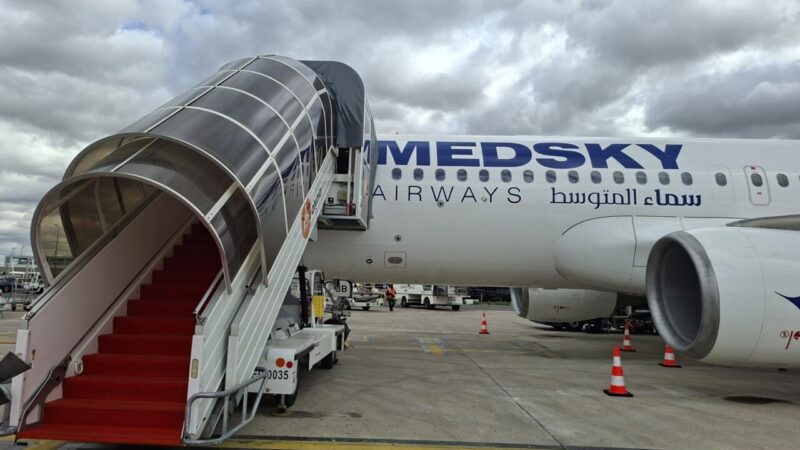
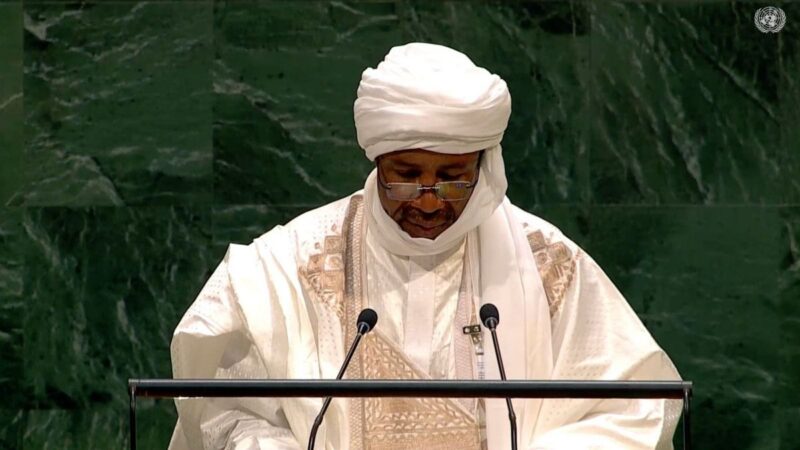
Mali Algeria warming diplomatic ties
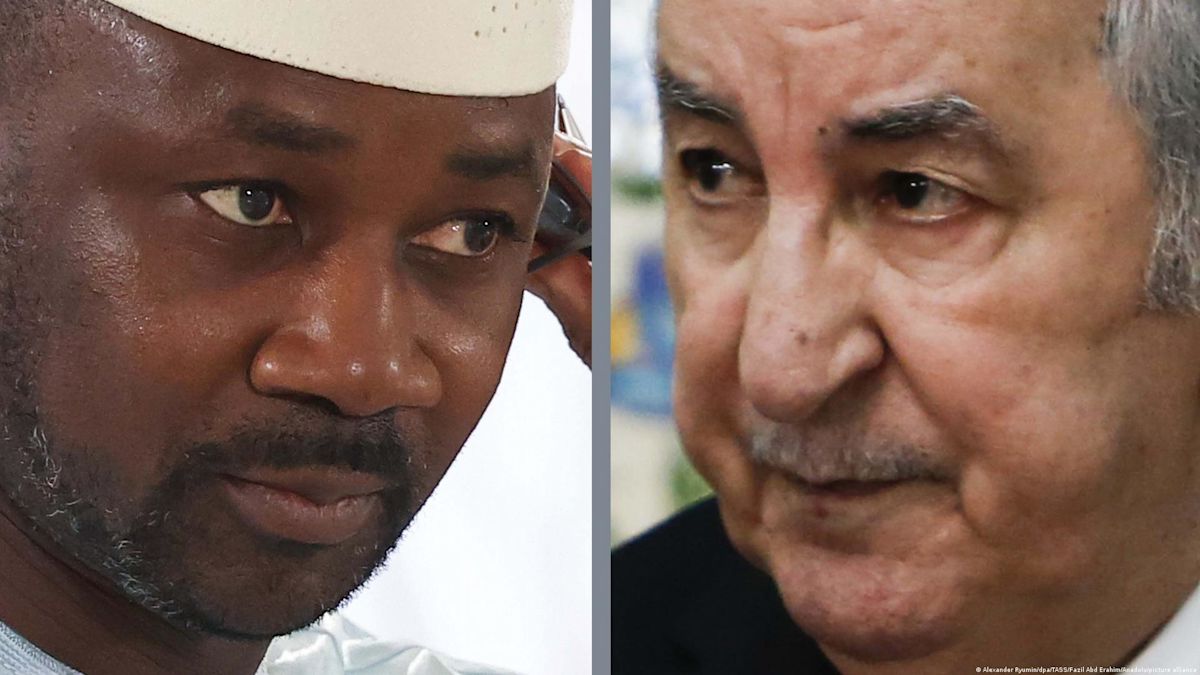
Mali and Algeria: a thaw in tense relations?
Following a year marked by sharp diplomatic tension, Bamako and Algiers are taking steps to restore normalcy in their bilateral relations. The rupture began in April 2025 when Algerian forces shot down a Malian drone near their shared border, alleging airspace violation. Mali denied the accusation and retaliated by closing its airspace to Algeria, a move that affected over 1,300 kilometers of shared frontier.
By early July, both nations announced a series of confidence-building measures. Ambassadors were reinstated, and the respective airspaces were reopened, signaling a clear intent to move past the confrontation.
During a recent phone call, Algerian Prime Minister Sifi Ghrieb extended an official invitation to his Malian counterpart for a working visit to Algiers, underscoring the urgency of rebuilding trust.
What does this thaw mean for regional stability?
The timing of this rapprochement is critical. The Sahel continues to grapple with the escalating threat of jihadist factions and rebel movements that have destabilized Mali, Niger, and Burkina Faso. While Algeria is geographically removed from the Gulf of Guinea crisis, its leadership sees an opportunity to mediate and prevent further spillover into its own southern regions.
For Algiers, restoring dialogue with Bamako serves a dual purpose: reinforcing its role as a regional security guarantor and strengthening its partnership with Moscow—a key ally for both nations. Securing the southern border and preventing militant infiltration are top priorities for Algerian policymakers.
Bamako’s calculus: security and sovereignty
From Bamako’s perspective, re-engaging with Algiers is not merely symbolic. Mali seeks to seal its 1,300-kilometer border with Algeria to prevent armed groups from using it as a transit route. Additionally, the resumption of diplomatic channels could pave the way for negotiations with non-state actors, including the Front de libération de l’Azawad, to restore domestic stability.
Analysts argue that this détente may not dramatically alter the geopolitical map of the Sahel—but it does reposition Algeria as a central player once again. With Russia’s continued influence in both capitals, Algiers could leverage this partnership to shape a more coordinated regional response to terrorism and governance challenges.
Will this shift tip the Sahel’s balance?
Since 2020, the Sahel’s power dynamics have remained largely unchanged. What is changing now is Algeria’s re-entry into the diplomatic arena and the strategic positioning of Russia, which remains a trusted partner for both Mali and Algeria. By mending fences with Bamako, Algiers is not only securing its southern flank but also positioning itself as a mediator capable of influencing broader security frameworks across the region.