South African courts tighten grip on panafricanist activist Kemi Seba over alleged illicit crypto funding
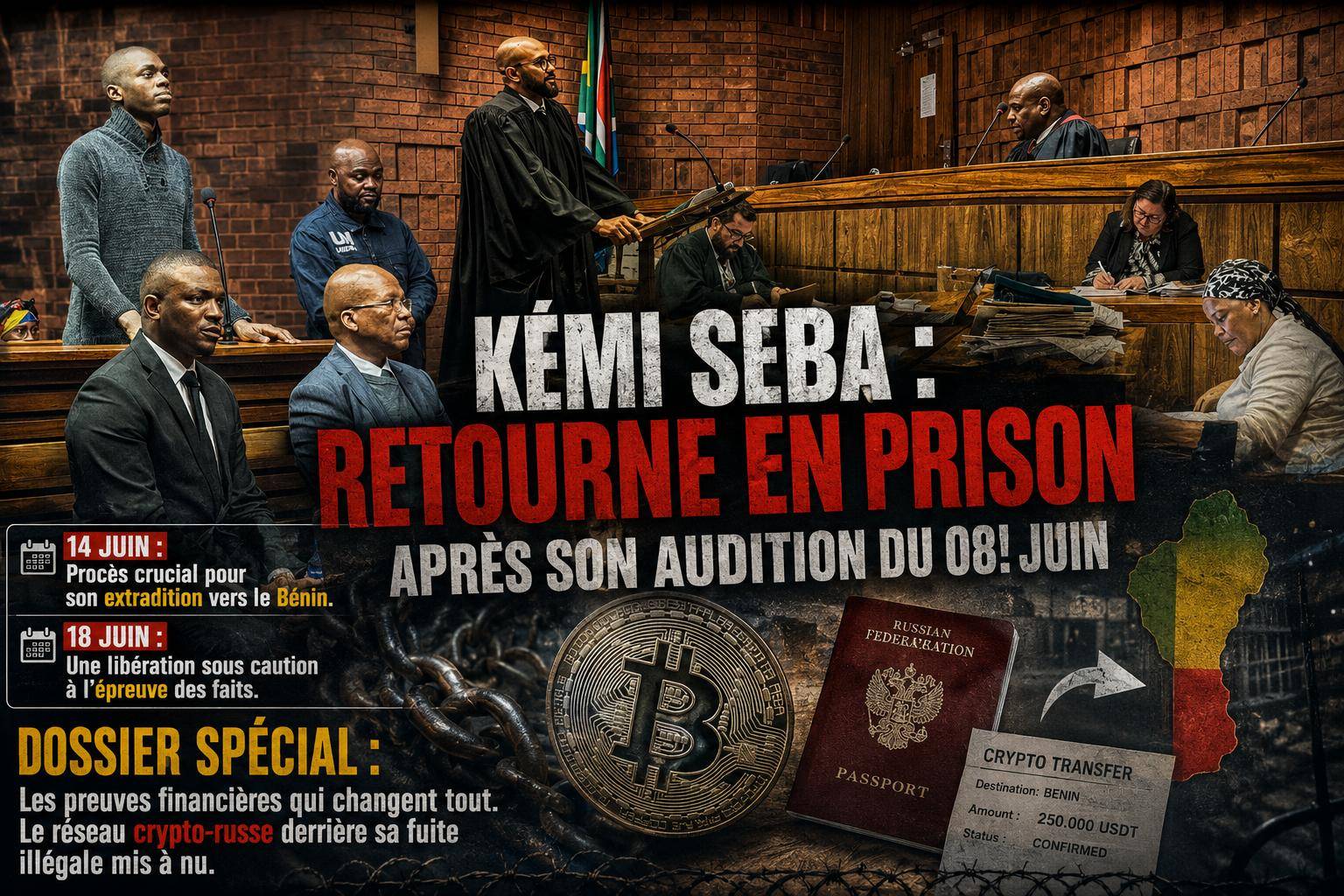
South Africa’s judicial system has deferred a decision on panafricanist activist Kemi Seba’s bail application until June 18, 2026. The activist, who has been held in Pretoria since April, remains in custody while the legal process unfolds. Meanwhile, a hearing on his potential extradition to Bénin has been scheduled for July 14, 2026. Investigators have uncovered serious allegations that he received cryptocurrency funding from Russia to cover illicit travel arrangements, further complicating his case.
Pretoria court extends detention amid mounting evidence
The legal saga surrounding Kemi Seba, also known as Stellio Gilles Robert Capo Chichi, took another dramatic turn in Pretoria. Regional judges postponed a ruling on his bail request, instead opting to extend his detention until mid-2026. The move underscores the gravity of the charges against him, which initially appeared administrative in nature.
His arrest on April 13, 2026, in a Pretoria shopping center stemmed from an overstayed tourist visa—he allegedly exceeded his permitted time in the country by roughly two months. Yet beyond this procedural violation, deeper investigations by South African security services have revealed far more troubling details.
Russian cryptocurrency links exposed in activist’s travel funding
The most damning aspect of this case centers on the financial mechanisms behind Kemi Seba’s movements. Judicial sources in Pretoria confirm that authorities have traced suspicious cryptocurrency transactions originating from entities in Russia. These digital funds allegedly bankrolled his escape logistics and covert border crossings.
During his arrest, he was not alone—his young son and a local smuggler were also detained. The latter reportedly received 250,000 rands (around €13,000) to facilitate an illegal crossing of the Limpopo River into Zimbabwe, with plans to continue onward to Europe. This revelation of opaque Russian cryptocurrency financing starkly contradicts Kemi Seba’s self-styled image as a