Senegal’s prime minister urges swift completion of stalled public projects
Government accelerates public infrastructure delivery under Sonko’s leadership
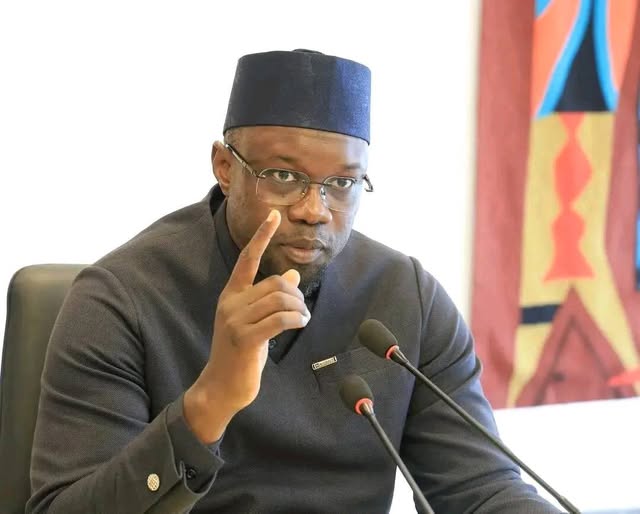
Dakar — During a high-level interministerial council dedicated to infrastructure development, Senegal’s Prime Minister Ousmane Sonko has instructed government officials to remove all administrative, financial and technical obstacles blocking critical public projects nationwide.
The directive comes as part of a broader push to fast-track the completion and operationalization of large-scale infrastructure across the country, ensuring timely delivery of key facilities for citizens and businesses alike.
Maritime and port infrastructure prioritized for early activation
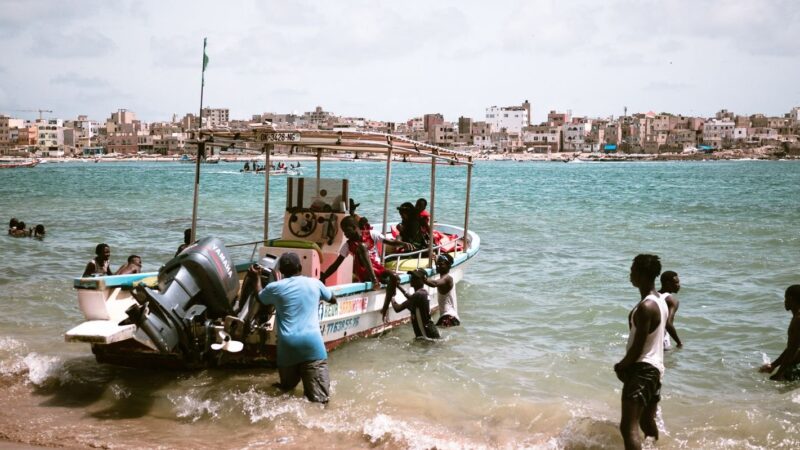
The Prime Minister called on the Minister of Fisheries and Maritime Economy to expedite measures that will enable swift and efficient operation of maritime and port facilities, including through strategic public-private partnerships. Among the highlighted projects are the Foundiougne-Ndakhonga port, the Ndangane Sambou fishing wharf, the upgraded landing site at Soumbédioune, and processing sites in Rufisque. The national maritime agency’s dredging operations in Kaolack and Fatick regions were also identified for urgent action.
62 stalled projects identified nationwide
The government has identified a total of 62 infrastructure projects currently blocked, including the El Hadj Ibrahima Niass University of Sine-Saloum, open digital spaces, regional airports in Saint-Louis, Matam and Kolda, the Ndayane container terminal, cold storage units, and the memorial dedicated to the Le Joola ferry disaster. Also on the list is the reconstruction of Aristide Le Dantec Hospital in Dakar.
To ensure accountability and progress, a dedicated committee will be established to monitor implementation, assess financial needs, and enforce administrative and legal measures required to restart and finalize these projects. Sonko emphasized that all infrastructure completions must adhere to strict quality and cost benchmarks.
Modern utilities and sustainable maintenance emphasized
The Prime Minister underscored the importance of integrating water, electricity and telecommunications networks into public project planning. He urged ministers to prioritize technical equipment, operational models and long-term maintenance strategies to ensure infrastructure longevity and efficiency.
Youth and citizenship centers to be operational by November 2026
Sonko set a firm deadline of November 30, 2026 for the full equipping and operational launch of youth and citizenship centers under construction in multiple cities, including Tivaouane, Mbour, Linguère, Ranérou, Bambey, Diourbel, Kaolack and Tambacounda.
Agricultural infrastructure and agro-industrial development in focus
The council also reviewed progress on the Naatangué village farms and several agro-parks in development across Mpal, Adéane, Dioulacolon and Mbellacadiao. Sonko directed relevant ministries to collaborate with private partners in designing sustainable operational models that maximize both profitability and social impact.
Public assets to be leveraged for economic and social value
The Prime Minister explored various strategies for unlocking the potential of public assets, including long-term leasing, concession agreements, emphyteutic leases and other forms of public-private partnerships aimed at attracting fresh investment. Discussions also covered national stadiums, sports infrastructure, national parks, nature reserves and the diplomatic real estate portfolio abroad.
In a final note, Sonko called on public agencies to propose mechanisms for recycling and valorizing state-owned real estate and land assets—including those under military control—to optimize their use in the national interest.