Senegal’s governance debate: Khalifa Sall advocates for public access to wealth declarations
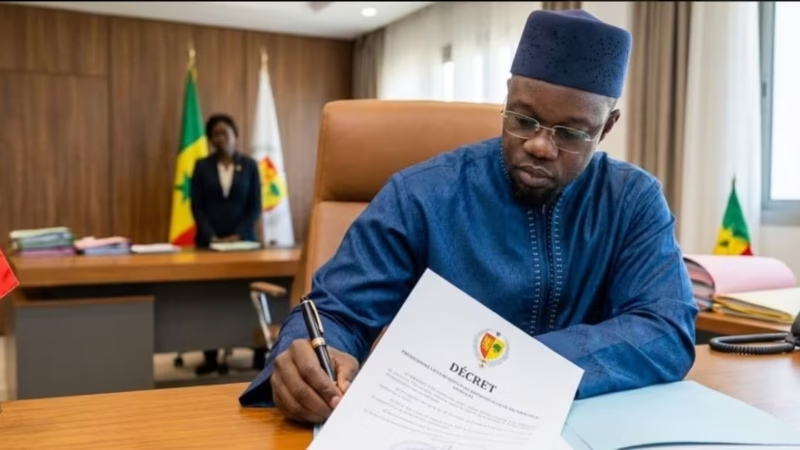
The debate surrounding public officials’ wealth declarations has resurfaced in Senegal, with Khalifa Sall stepping forward to champion greater transparency. The former mayor of Dakar and prominent leader of Taxawu Sénégal has publicly endorsed the idea of making the asset declarations of state leaders accessible to all citizens. This stance comes at a pivotal moment when political demands for accountability are shaping governance under the new administration that emerged from the March 2024 presidential elections.
Khalifa Sall backs transparency through public wealth declarations
Khalifa Sall has unequivocally voiced his support for disclosing the asset declarations of public officials. For him, financial transparency among elected leaders and senior civil servants is more than a legal requirement—it is fundamental to rebuilding trust between government and citizens. The Taxawu Sénégal leader argues that making these declarations public could curb illicit enrichment in politics and restore credibility to the public sphere.
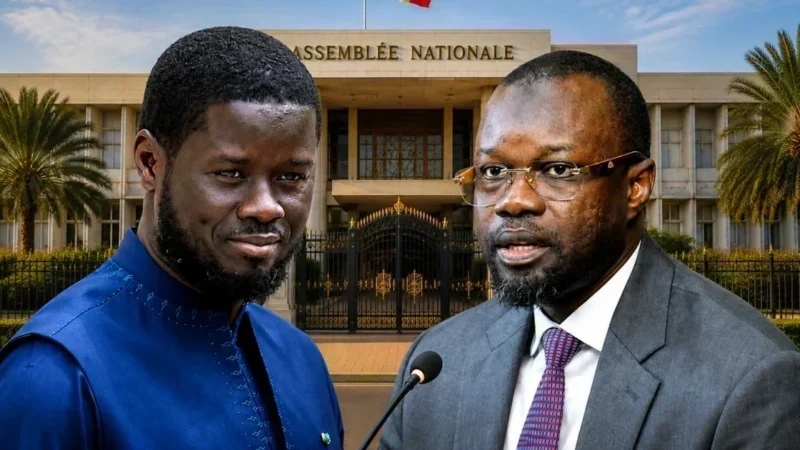
His intervention is strategic. Once a vocal critic of the previous administration under Macky Sall, Khalifa Sall now aligns with the transparency agenda championed by President Bassirou Diomaye Faye and Prime Minister Ousmane Sonko. By endorsing this principle, he avoids appearing out of step with widespread public demand for ethical governance and a clean break from past practices.
Existing laws remain largely unenforced
Wealth declaration is not a new concept in Senegal‘s legal framework. The 2014 law on asset declarations mandates that top officials—including the president—submit their declarations to the National Office for the Fight against Fraud and Corruption (OFNAC). The president, in particular, is required to file declarations at the start and end of their term. Yet, these documents remain confidential, denying citizens the opportunity to scrutinize them.
The current debate centers on this lack of transparency. Civil society and political actors increasingly advocate for a shift toward public disclosure, similar to practices in European and Latin American democracies. The focus is no longer on whether declarations are filed, but on whether they are accessible to the public—a prerequisite for meaningful citizen oversight.
A defining issue for political and institutional credibility
Beyond Khalifa Sall’s position, how political figures respond to this debate has become a litmus test. President Bassirou Diomaye Faye set a precedent in April 2024 by publicly releasing his asset declaration shortly after taking office, a move widely seen as a symbolic break from past secrecy. Since then, pressure has mounted on other officials—ministers, lawmakers, heads of institutions, and agency directors—to follow suit.
When opposition figures or former political heavyweights embrace this transparency demand, it reshapes the political landscape. By supporting public disclosure, Khalifa Sall positions himself as a responsible actor while maintaining the freedom to critique the government’s approach to implementing its own transparency agenda. This balanced stance reflects the strategy of an experienced opposition leader unwilling to be confined to a purely adversarial role.
The next step hinges on legislative action. Reforming the 2014 law or introducing new legislation to mandate public disclosure would require parliamentary consensus. With the ruling coalition—emerging strengthened from the November 2024 snap legislative elections—holding a strong majority, such a reform is within reach. The key question remains: to what extent will the government push for full transparency, and will opposition parties fully embrace this commitment to openness and accountability?