Côte d’Ivoire boosts animal production with smart investments
Côte d’Ivoire targets food self-sufficiency through livestock and fisheries growth
The Ministry of Animal and Fisheries Resources (MIRAH) in Côte d’Ivoire is ramping up efforts to boost local animal and fish production, aiming to cut reliance on costly imports. In 2024, the country spent a staggering 782 billion CFA francs on imported meat and offal, a figure that underscores the urgency of developing domestic supply.
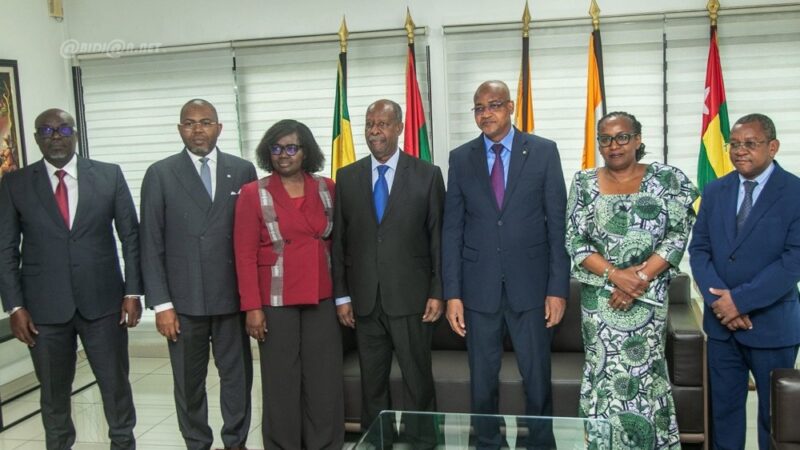
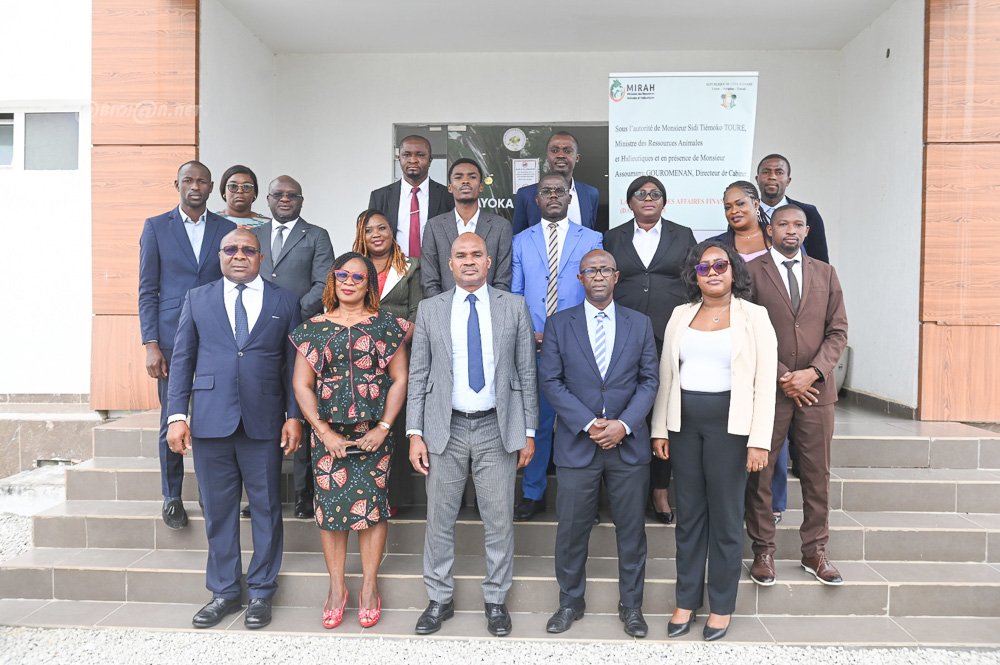
Bouadi Beda Paul, Director of Financial Affairs at MIRAH, outlined these priorities during a three-day workshop in Jacqueville that concluded plans for the 2027-2029 multi-year budget and annual performance projects. Held from July 29 to 31, the session brought together ministry officials to map out strategic investments and set measurable goals for the sector.
Strategic planning for sustainable sector growth
The workshop focused on refining the country’s National Livestock, Fisheries, and Aquaculture Development Policy (PONADEPA) 2026–2030, which emphasizes strengthening food sovereignty and fostering private sector participation. Paul stressed that result-driven budget planning is no longer optional but a necessity for overcoming sector challenges.
The resulting document will outline clear ministry objectives, actionable steps, and tracking indicators to ensure efficient use of public funds. This structured approach aims to align spending with measurable outcomes, ensuring every franc invested delivers tangible results for farmers, fishermen, and consumers.
Youth urged to explore opportunities in animal and aquatic sectors
Beyond budget planning, the ministry is actively encouraging young Ivorians to consider careers in livestock farming, fish farming, and aquaculture. These fields, Paul noted, offer significant employment potential amid rising demand for locally sourced protein. By investing in skills and infrastructure, the government hopes to transform these sectors into engines of economic growth and job creation.