Tchad opposition faces challenges despite presidential pardon
Tchad: presidential pardon sparks cautious optimism among opposition leaders
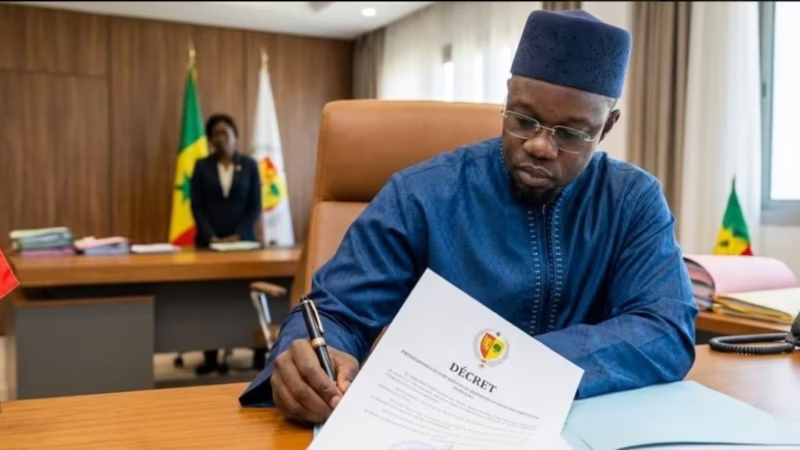
The Tchadian President, Mahamat Idriss Déby, has issued a decree granting a full pardon to Succès Masra, a prominent opposition figure and former Prime Minister, who had been serving a 20-year prison sentence for over a year. This sweeping measure also extends to eight other opposition leaders, absolving them of all remaining penalties.
While the government frames the decision as a step toward easing political tensions, analysts and political actors remain skeptical. Many view it as a strategic move designed to alleviate pressure without fully reintegrating opposition leaders into the electoral process.
Analysts highlight the limits of presidential clemency
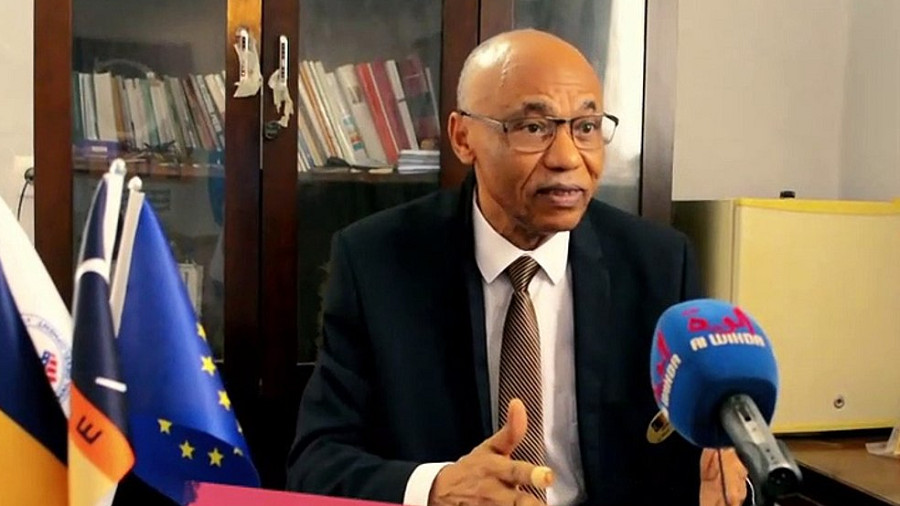
Ahmat Yacoub Dabio, a conflict resolution expert and president of the Centre for Development and Extremism Prevention Studies (CEDPE), acknowledges the significance of the pardon in temporarily reducing political pressure. He describes it as a “crucial political gesture” that “could momentarily ease tensions and open space for political détente.”
However, Dabio cautions against conflating clemency with genuine political reconciliation. “The fundamental issue remains the conditions required for a lasting easing of political life in Chad,” he emphasizes. He points to a paradox: despite their release, several key opposition figures remain ineligible to run in elections, preventing them from fully translating their societal influence into direct political participation.
Ineligibility reshapes the opposition landscape
According to Dabio, the continued exclusion of major opposition leaders from elections could force traditional opposition parties to reorganize around new figures. Yet, this shift carries risks: if the exclusion is perceived as permanent, it may fuel frustration and push some factions to reject institutional paths altogether.
“To prevent instability, Chad urgently needs a credible, inclusive, and transparent political competition,” he warns. While the presidential pardon may signal a thaw, it alone cannot resolve the deep-seated trust issues between the government and the opposition.
Symbolic gesture or first step toward democracy?
As a former advisor to the Tchadian Republic’s mediator, Dabio argues that Succès Masra’s release is merely a symbolic gesture. The true test lies in the government’s next actions—whether it will take concrete steps to fully reintegrate the opposition and ensure fair elections.
“The real question now is whether this opening will be followed by measures that restore trust and provide all political actors with sufficient guarantees to engage in public life,” he reflects. The future of Chad hinges on a robust democratic debate, where a strong opposition challenges a government confident enough to embrace political contradiction.
“Chad doesn’t just need an opposition that is tolerated—it needs one that can fulfill its institutional role, and a government secure enough in its legitimacy to accept real political debate,” he concludes. “Only then can the presidential pardon evolve from a political act into a cornerstone of broader national reconciliation.”