What the Entente Council–UNOWAS pact delivers for West African citizens and economies
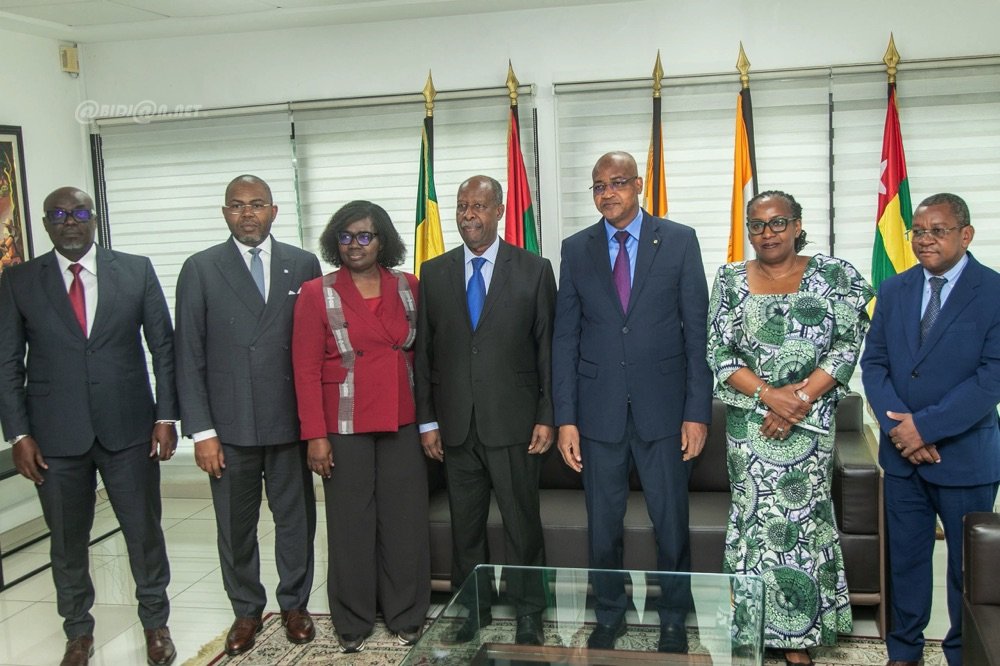
West African households, traders and farmers stand to feel the ripple effects of a fresh cooperation agreement signed in Abidjan on Tuesday, 29 September 2026. The Entente Council and the United Nations Office for West Africa and the Sahel (UNOWAS) put their signatures to a Memorandum of Understanding aimed at tightening their joint work on peace, stability, political dialogue and regional cooperation across West Africa and the Sahel.
The deal arrives at a moment when security, political, humanitarian and institutional pressures continue to weigh on daily life across the region. For ordinary citizens, the practical consequences of this partnership could show up in safer cross-border trade routes, more reliable mediation when tensions flare, and stronger local institutions capable of delivering basic services.
Three priority areas shape the cooperation. The first covers preventive diplomacy, mediation and political dialogue, opening the door to strategic consultations, good offices initiatives and facilitation efforts.
The second focuses on peace and resilience in border zones. Both institutions plan to work on conflict prevention, social cohesion and the involvement of young people and women in peace-building efforts — a shift that could directly affect communities living along frontiers where instability has disrupted markets, farming and schooling.
The third pillar centres on institutional strengthening and strategic analysis through information sharing, joint studies, advisory assistance and capacity-building for the Entente Council.
The Memorandum also cements the Entente Council’s role as a platform for dialogue, consultation and diplomatic facilitation. When circumstances demand it, the organisation could help bring states closer together and bridge different regional configurations — a function that may translate into faster de-escalation when disputes threaten to disrupt economic activity.
To ensure the agreement delivers, both institutions will draw up annual joint work plans, appoint focal points and hold regular follow-up consultations. Joint missions for evaluation, dialogue or diplomatic facilitation may also be deployed.
The Memorandum of Understanding runs for an initial three-year period.
Speaking at the signing ceremony, the Special Representative of the United Nations Secretary-General for West Africa and the Sahel, Leonardo Simão, stressed how much this cooperation matters for advancing peace and stability in the region.
“There are always threats to peace. We cannot take peace as something definitive. We must always make efforts to maintain peace where it already exists, but also to recover peace where it does not exist,” he said.
Leonardo Simão also highlighted the Entente Council’s experience, noting it was created in 1959, before the Organisation of African Unity and the Economic Community of West African States (ECOWAS). In his view, this history of cooperation between states provides a foundation on which new peace initiatives can be built.
For Idi Ali, deputy executive secretary in charge of the interim executive secretary role at the Entente Council, the agreement reflects recognition of the organisation’s value in the current security landscape.
“The Entente Council is today a privileged framework for consolidating peace in the sub-region,” he said, pointing to the presence within the organisation of both Sahelian and coastal countries.
He welcomed the signing of the Memorandum with the United Nations Office for West Africa and the Sahel, saying it would strengthen ties between the two institutions and boost their contribution to peace in the sub-region.
Cyprien K.