Thali permit deal in Cameroon: what Prime’s 42.5% stake actually changes for jobs, revenue and the stalled NJOM-3 well
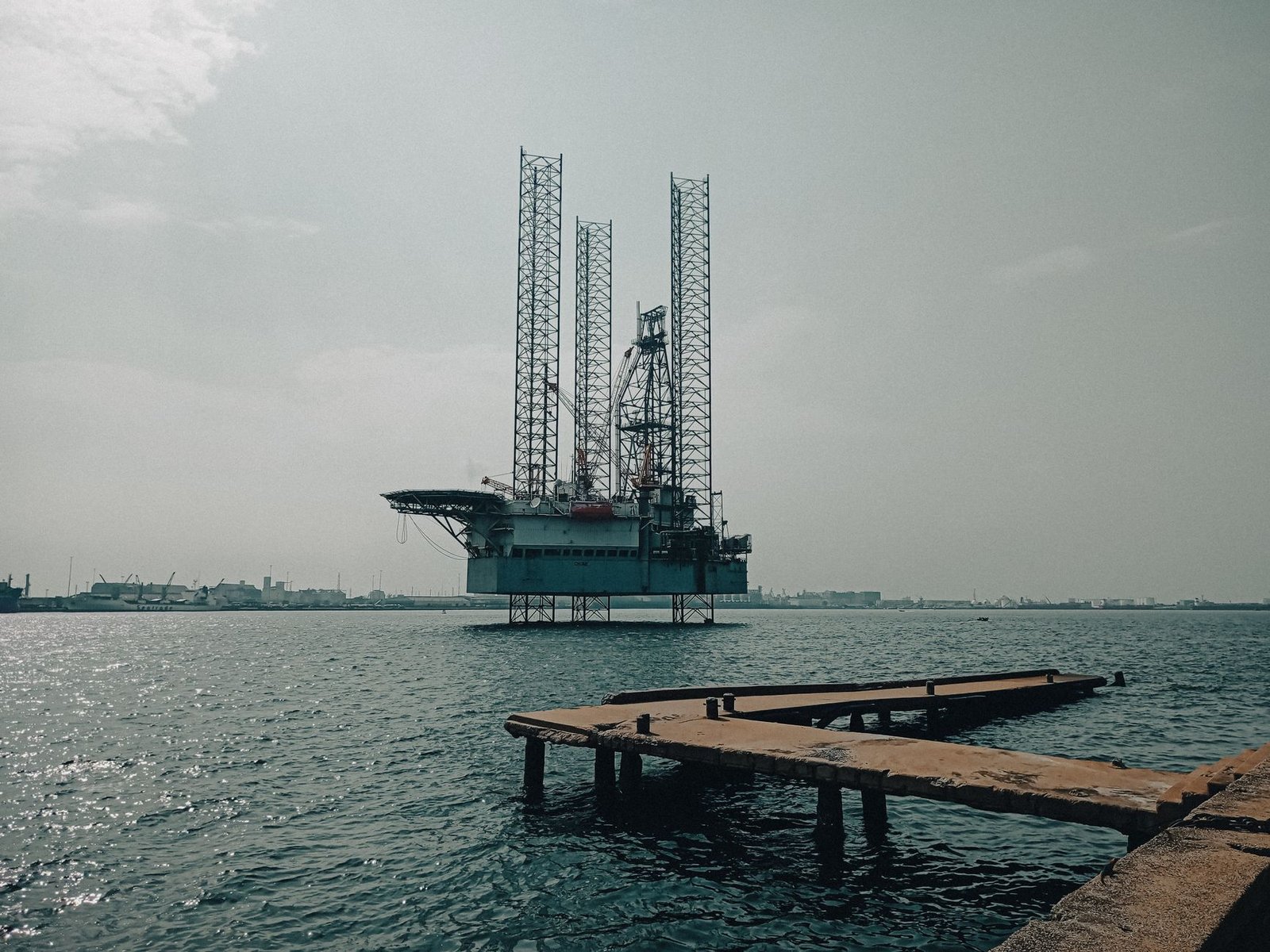
Cameroon’s offshore oil sector has just received a major jolt, and the consequences will be felt far beyond the boardrooms of London and Yaoundé. Tower Resources, the British operator of the Thali offshore permit, has secured approval from the presidency at Etoudi to farm out 42.5% of its interests to Prime Global Energies. The arrangement, still awaiting administrative completion, commits the incoming partner to inject $15 million into the work programme, with the long-delayed NJOM-3 appraisal well as the ultimate target. At the European Central Bank’s reference rate of 28 September 2026, that sum translates to roughly 8.65 billion FCFA — a figure that could determine whether drilling finally gets underway or the project slips further into limbo.
The money will not flow as a direct payment to Tower. Instead, it takes the form of an investment commitment, the classic farm-out mechanism under which a partner finances a share of the technical programme in exchange for equity. Prime Global Energies will join Thali as a non-operating partner: Tower Resources Cameroon, the London group’s local subsidiary, will retain operational control.
Administrative loose ends still dangling in Yaoundé
Presidential authorisation does not mean the paperwork is done. In its half-year accounts to 30 June, published on 28 September, Tower disclosed that it had seen a copy of the presidency’s letter addressed to the Prime Minister’s office, the Ministry of Mines, Industry and Technological Development (Minmidt) and the National Hydrocarbons Corporation (SNH). Minmidt must still issue the decree extending the initial exploration period and forward the formal approval letter for the farm-out.
Until those duly executed documents are in the parties’ hands, the transaction remains frozen. Tower acknowledges that the completion timetable is uncertain at this stage. Such caution is far from trivial: the exploration programme is already several years behind schedule, starved of the financial resources needed to launch drilling.
Prime Global Energies, registered in the United Kingdom and focused on upstream oil and gas, is no stranger to the sector. The company was still called Prime Pakistan Limited until December 2024, after having operated as Eni Pakistan Limited. That lineage with the Italian group Eni gives it operational experience that may reassure Cameroonian authorities about the technical solidity of the new partner.
NJOM-3 pushed back to the second quarter of 2027
Prime’s entry is chiefly meant to lock down financing for NJOM-3, the next appraisal well planned on Thali. Tower has revised its timeline: drilling should now begin in early the second quarter of 2027, meaning from April, against an earlier assumption of the first quarter. An earlier start has not been entirely ruled out, but management prefers to stick with the most prudent window in its forecasts.
“We currently expect to commence drilling in early Q2 2027,” says Jeremy Asher, chairman and chief executive of Tower Resources. The choice of drilling rig has not yet been contracted. The company continues to review available units on the market and has decided to stop communicating on the matter until a firm contract is signed. Draft agreements with the other contractors needed for the operation, however, are already in place.
Part of the logistics is even in position in Douala. Tower has stored there, alongside other equipment destined for NJOM-3, a system that allows the well to be suspended after testing and later reused for production, should test results prove encouraging.
A cash-starved treasury that makes the deal vital
Prime’s contribution is almost existential for Tower. The group states in its accounts that it will need either to complete the Cameroonian farm-out, conclude another transaction on its assets, or raise additional capital to meet its commitments. As of 30 June 2026, the company held just $66,583 in cash against $2.91 million in current liabilities. It has never produced a barrel and generates no revenue.
In the first half, $453,000 in expenditure was capitalised in Cameroon, down from $982,000 a year earlier. These commitments cover NJOM-3 preparation, engineering studies, drilling planning and the running of the Douala office. The $15 million promised by Prime should cover the remaining balance needed for the appraisal well. Subsequent testing and any commercial development of the field will require fresh rounds of financing.
For further context
Nigerien oil: why Bamako and Ouagadougou struggle to benefit · BOAD releases 8 billion FCFA for Malian fuel · Cotco: Savannah claims 228 billion FCFA from SNH and Chad