Senegal’s Casamance conflict: rebels weakened but cannabis fuels tensions
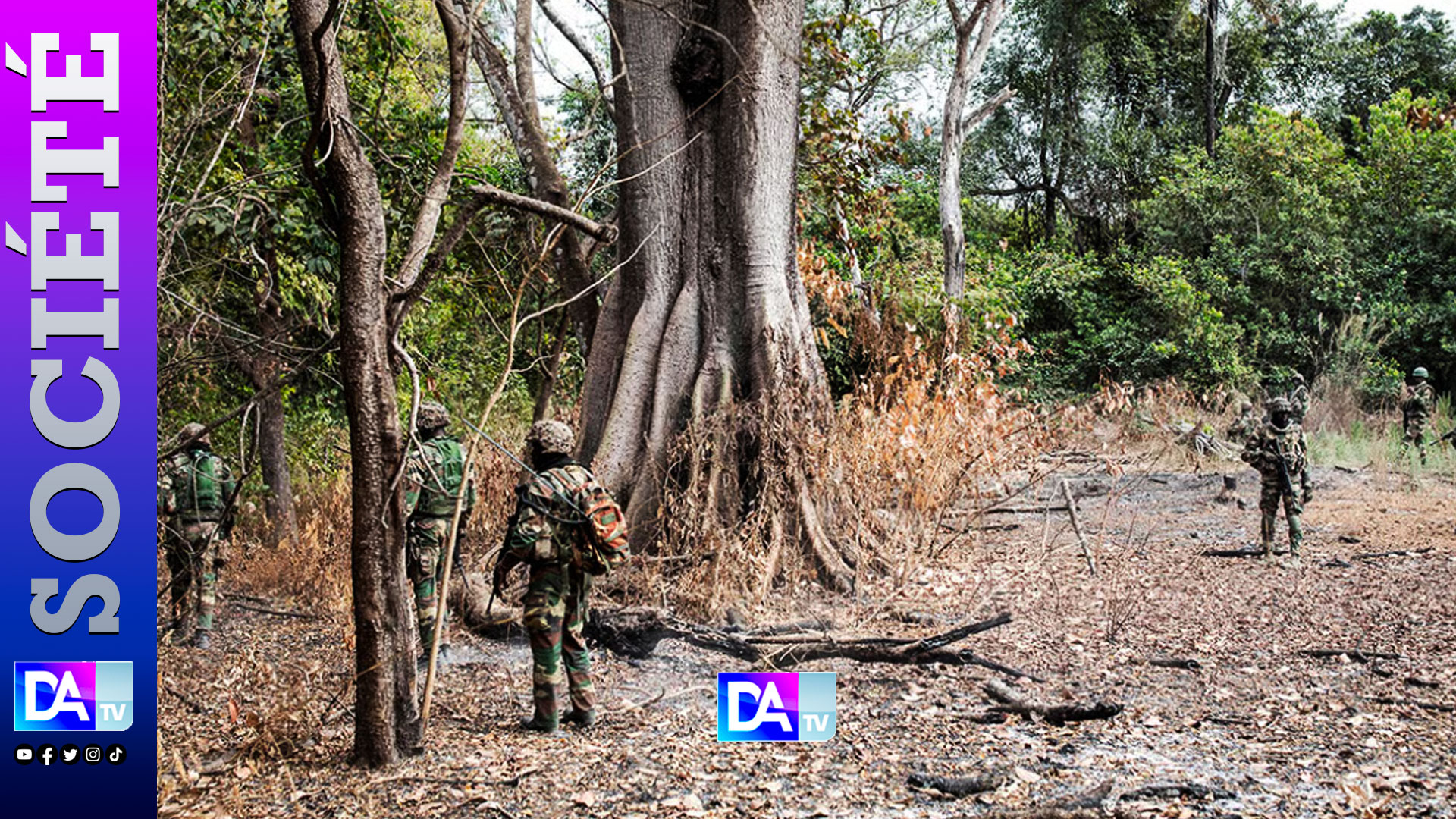
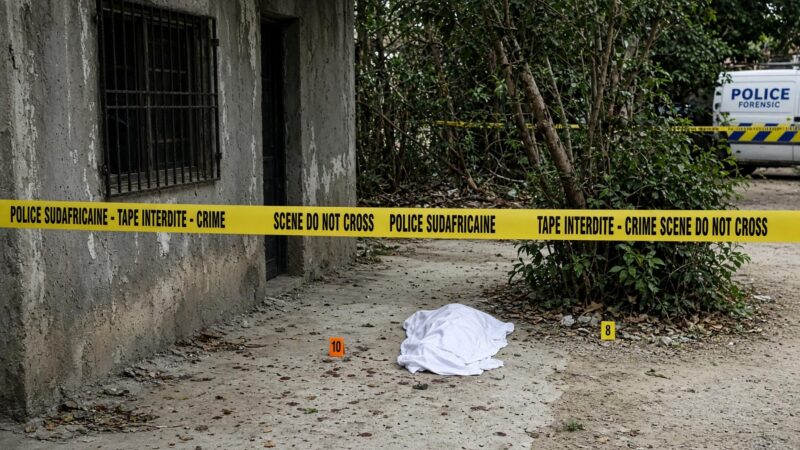
The Senegalese army, joined by sniffer dogs, recently destroyed cannabis plantations in Casamance—a region scarred by one of Africa’s longest-running conflicts. This latest operation, conducted near the Gambian border in early May, targeted rebels of the Movement of Democratic Forces of Casamance (MFDC), who have waged an independence struggle since December 1982.
Led by Colonel Cheikh Guèye, head of the Ziguinchor military region, the operation resulted in 14 arrests, the seizure of war weapons, and over six tons of cannabis. Speaking to the press, Colonel Guèye described the mission as a success with “no major difficulties.”
The MFDC, once a formidable force, now faces severe decline. “The rebellion is critically weakened,” noted a security analyst familiar with the dossier. “Its ranks have dwindled due to aging fighters, dwindling recruitment, and internal divisions. The army, meanwhile, has grown stronger in both manpower and equipment.”
Key challenges for the MFDC include:
- Supply shortages: Arms and ammunition flows from neighboring Guinea-Bissau and Gambia have dwindled as both countries cooperate with Dakar to curb rebel activities.
- Erosion of local support: The rebellion’s political and emotional base in local communities has eroded over time. “Disillusionment runs deep,” explained a Casamance civil society leader. “People now crave peace more than ever.”
- Leadership shifts: The rise of political leaders from Casamance, such as Prime Minister Ousmane Sonko, has shifted public sentiment. “They feel a sense of political revanche, no longer excluded from national power.”
The shifting dynamics of Casamance’s rebellion
In mid-March, Prime Minister Sonko declared in Ziguinchor that the MFDC had not controlled a single village in over four decades. His remarks followed a tragic incident on March 17, when three soldiers died and three others were injured in an accidental explosion during anti-cannabis operations. Just days earlier, another soldier was killed and six wounded in a separate attack.
Sonko emphasized the government’s commitment to tackling the cannabis trade, which he described as the rebels’ primary funding source. “We will use all necessary means to eradicate this scourge,” he stated. “While some may still claim independence as a principle, the real issue is the cultivation of cannabis.”
Colonel Guèye echoed this stance, calling the recent operation a direct strike against the rebels’ financial lifeline. “Cannabis cultivation and trafficking fund their operations. Destroying these plantations dismantles their war economy.”
Peace efforts stall as cannabis trade thrives
The remote North Sindian region, near the Gambian border, remains a hotspot for illicit activities. Its dense forests and limited infrastructure make it an ideal haven for cannabis cultivation and trafficking. Local populations, struggling economically, often rely on this trade for survival.
One local administrator revealed that some residents have even sought religious justification from imams to cultivate cannabis. “Poverty drives desperation,” he said. “Without viable economic alternatives, the cycle of violence and crime persists.”
Peace agreements offer a glimmer of hope. In February 2025, a faction of the MFDC signed a peace deal in Bissau, following a similar accord near Ziguinchor in 2023. Yet, challenges remain. “Partial weapons decommissioning has allowed some refugees to return home,” noted the civil society leader. “But pockets of armed resistance still refuse to lay down arms.”
Prime Minister Sonko has extended an olive branch to the MFDC but made one thing clear: “We will not tolerate the loss of even an inch of our territory.”