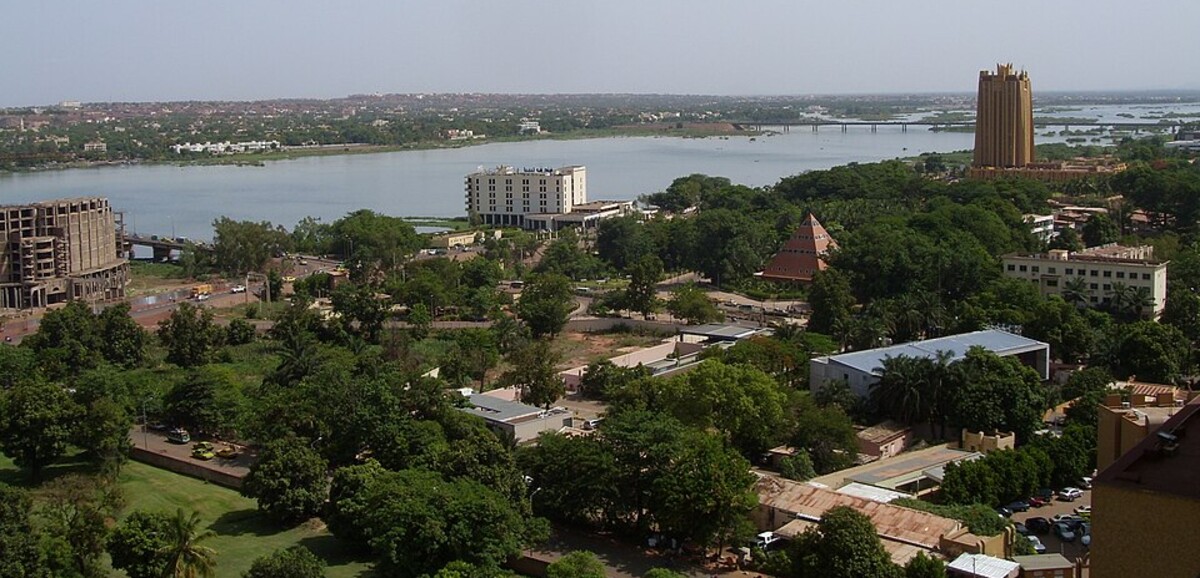

Since April 30, Bamako, Mali’s vibrant capital, has been under a severe blockade orchestrated by the jihadist Group for the Support of Islam and Muslims (JNIM). My reporting confirms that Amnesty International’s plea on May 15 emphasizes the critical need to respect the security and fundamental right to free movement for civilians. This blockade follows a series of coordinated assaults on April 25 and 26, where the JNIM, aligned with Al-Qaïda, alongside the Front de libération de l’Azawad (FLA) rebellion, targeted various strategic locations held by the ruling military regime across Mali.
blockade sparks “unacceptable consequences”
In a recent statement, the human rights organization expressed deep concern over what it termed “unacceptable consequences on the freedom of movement for civilians.” Amnesty International warned that the ongoing blockade in Bamako “could lead to severe infringements upon their rights to food security, health, and even life itself.” Marceau Sivieude, Amnesty’s regional director, underscored the illegality of targeting civilian vehicles used for non-military purposes. “Under international humanitarian law, all parties involved in an armed conflict are obligated to consistently differentiate” between civilians and combatants, Sivieude asserted.
The organization’s statement specifically highlighted an incident on May 6, detailing an assault on “a convoy of trucks carrying commercial goods for civilian businesses, including fruits, traveling between Bamako and Bougouni.” Amnesty International emphasized that these vehicles “were not escorted by the military and carried no military personnel or equipment.” Consequently, as a direct result of the blockade, multiple transport companies confirmed earlier this week that they have halted all their services to and from Bamako, further isolating the capital.
- Groupe de soutien à l’islam et aux musulmans
- liberté de circulation
- amnesty international
- Mali
- Bamako
- civils
- sécurité
- JNIM
- FLA
- Front de libération de l’Azawad
- transport
- blocus