Mali blocus jnIM: civilians trapped in Bamako amid crisis
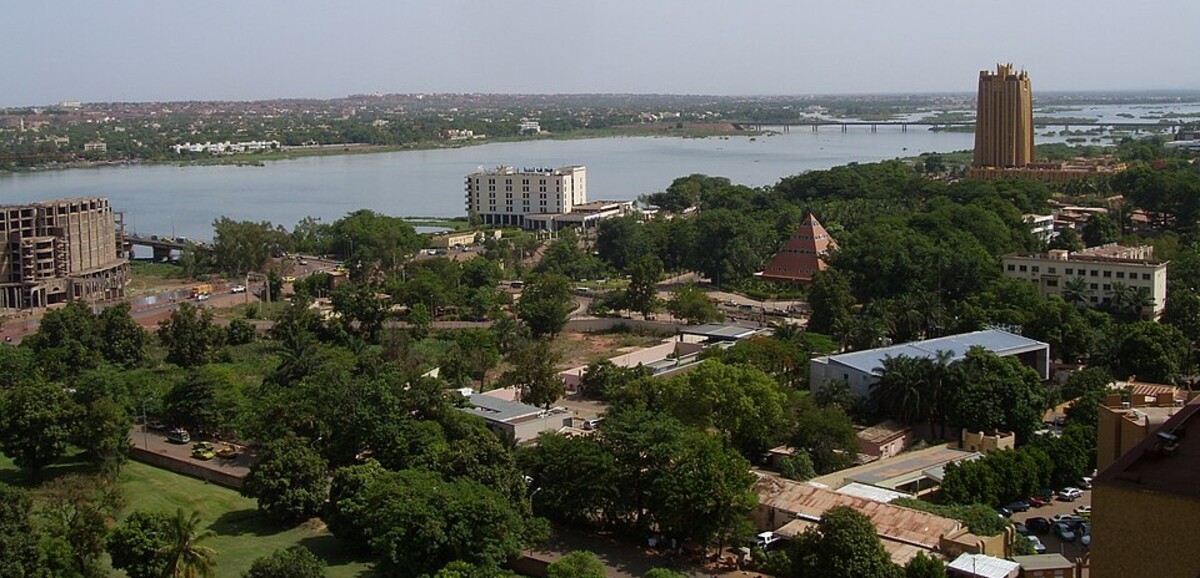
Since April 30, the capital of Mali, Bamako, has been under a strict blockade imposed by the jihadist coalition Group for the Support of Islam and Muslims (JNIM). The situation has escalated following coordinated attacks on April 25 and 26 against key military positions, carried out jointly by the JNIM and the Azawad Liberation Front (FLA), an ally of Al-Qaeda.
Amnesty International warns of “unacceptable” consequences
On May 15, Amnesty International issued a strong appeal to the JNIM, urging the group to uphold the safety and freedom of movement for civilians trapped in Bamako. The international human rights organization condemned the blockade’s “unacceptable consequences” on daily life, warning it could lead to severe violations of fundamental rights, including access to food, healthcare, and personal security.
A violation of international humanitarian law
In a statement, Marceau Sivieude, Amnesty International’s Regional Director, emphasized the illegality of targeting civilian vehicles. Under international humanitarian law, all parties involved in armed conflict must clearly distinguish between combatants and civilians. He stressed, “The blockade is exacerbating a humanitarian crisis, with civilians bearing the brunt of the violence.”
The NGO highlighted a recent incident on May 6, when a convoy transporting civilian goods—including fruits—between Bamako and Bougouni came under attack. According to Amnesty, the vehicles were not escorted by military forces and carried no military personnel or equipment. This assault has forced several transport companies to suspend operations to and from Bamako, paralyzing commercial activity in the region.
Humanitarian toll mounts as blockade persists
The blockade has left residents struggling to access essential services, with supply chains disrupted and prices of basic goods skyrocketing. Local businesses report mounting losses, while families face increasing hardship in securing food and medical supplies. The international community has yet to respond decisively, leaving civilians in a precarious and increasingly dangerous situation.