Security at stake: vandalism targets Gabon’s media regulator
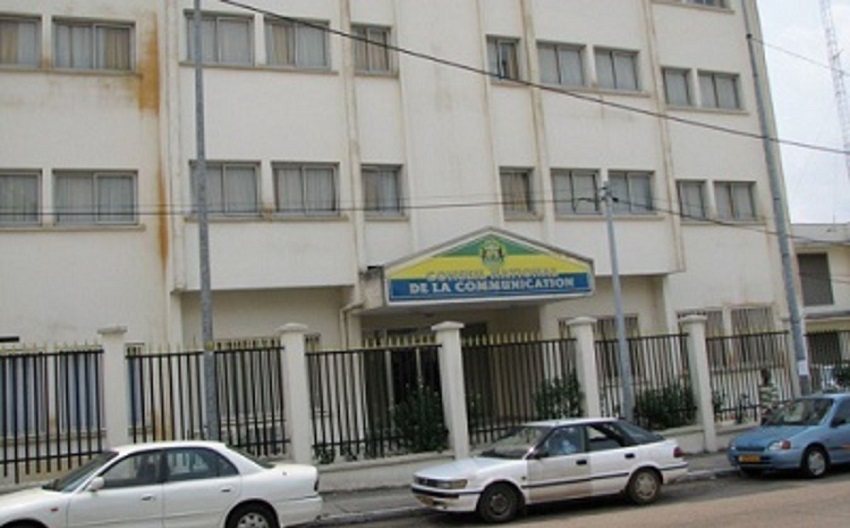
Libreville, June 3, 2026 — The forced entry and vandalism of several offices within Gabon’s High Authority for Communication (HAC) have triggered urgent questions about the security of the country’s public institutions.
The incident, which saw four advisors’ offices forcibly entered and ransacked, transcends mere property damage. It strikes at the heart of a critical question: how well are the bodies tasked with regulating public life and safeguarding democratic governance being protected?
In an era where information flows, media oversight, and public communication are increasingly pivotal to societal stability, attacks on regulatory authorities carry disproportionate weight. Eyewitness accounts confirm that intruders forcibly breached multiple office doors, gaining unauthorized access to the advisors’ workspaces.
At present, the full extent of the damage and the nature of any compromised materials remain undisclosed. Authorities have yet to provide detailed assessments of the breach or its potential implications.
An institution vital to democratic balance
The High Authority for Communication sits at the nexus of Gabon’s institutional framework, wielding significant influence over media conduct, audiovisual broadcasting, and public information dissemination.
Its mandate—balancing press freedom, editorial accountability, and public order—places it at the crossroads of some of the most delicate governance challenges. While no direct link has been established between the intrusion and the HAC’s regulatory functions, the episode underscores a troubling vulnerability in the protection of institutions entrusted with upholding democratic values.
Institutional security in the spotlight
The ease with which the intruders accessed multiple floors and offices has exposed critical gaps in the physical security protocols of public administration buildings.
This breach raises immediate concerns about the effectiveness of surveillance, access controls, and protective measures in place across government facilities. Beyond material losses, the incident challenges the state’s capacity to secure its strategic infrastructure—an issue of paramount importance in any functioning democracy.
Globally, regulatory bodies are typically afforded heightened security precisely because of the sensitivity of the information they handle and their role in maintaining public trust in governance. The events in Libreville serve as a stark reminder that administrative security is not merely a logistical concern; it is a cornerstone of institutional credibility and operational continuity.
Vandalism, theft, or targeted intrusion?
Several scenarios remain plausible at this stage. Was this a random act of vandalism, a burglary attempt, or a deliberate effort to access specific documents or equipment?
The lack of official clarity on what was compromised precludes definitive conclusions. However, the ongoing investigation will be crucial in uncovering the motives behind the intrusion, the methods employed, and any systemic weaknesses that facilitated the breach.
A wake-up call for public institutions
While the HAC bears the immediate brunt of this incident, its implications extend far beyond a single authority. In an environment where digital data management, sensitive document handling, and governance transparency are increasingly scrutinized, the incident serves as a critical reminder.
Protecting public institutions is not solely about preserving state assets; it is about defending administrative continuity, citizen trust, and the uninterrupted functioning of the Republic. The investigation must not only identify those responsible but also extract actionable lessons to ensure that institutions like the HAC can fulfill their democratic mandates in a secure environment.
When the offices of a media regulator are forcibly entered, the damage transcends physical walls. It strikes at the very principle of protecting the institutions that underpin democratic governance.