Sahel’s diplomatic scandal: leaked audio exposes the reality behind activist movements

A recently surfaced audio recording has sent shockwaves through the diplomatic landscape of West Africa, effectively dismantling the carefully curated public image of activist Kémi Séba. In what is being described as a “Sahelian Watergate,” the recording offers a cynical look at the internal motivations of those leading the charge against traditional regional democracies.
The audio reveals a stark contrast between public rhetoric and private ambition. It portrays a world where activists view themselves as the masterminds behind the collapse of democratic institutions, working in tandem with military figures who have seized control. Far from a grassroots struggle for the people, the movement appears to be a transactional arrangement, where loyalty to foreign interests is exchanged for high-level perks and financial security.
Luxury in Niamey: the high cost of activism
One of the most jarring revelations concerns the opulent lifestyle enjoyed by prominent figures like Kémi Séba and Nathalie Yamb. The recordings confirm that these individuals are being housed and maintained in luxury at the expense of the state in Niamey. While the citizens of Niger face severe economic sanctions and growing instability, their self-proclaimed defenders are reportedly living in palatial conditions.
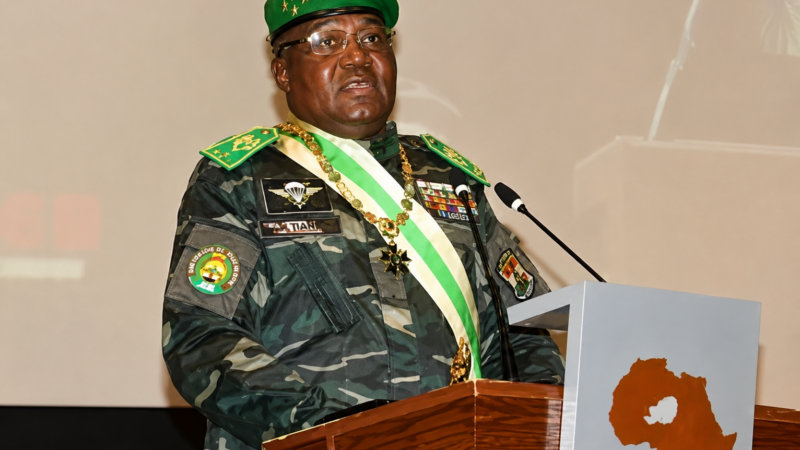
By appointing these activists as “Special Advisors” or granting them diplomatic status, General Tiani’s administration seems less focused on governance and more on an aggressive communication strategy. This tactic involves subsidizing influential voices to drown out the harsh realities on the ground with pro-regime narratives.
Targeting Benin: the strategy of regional instability
The recordings also shed light on a more aggressive agenda involving the Alliance of Sahel States (AES). Evidence suggests a coordinated effort to destabilize the government of Patrice Talon in Benin, involving figures such as Pascal Tigri. This indicates that the AES has shifted from a defensive pact into an offensive coalition aimed at exporting political upheaval to neighboring countries.
The ultimate goal, according to the leaked data, is not regional liberation but the systematic spread of military coups to create a zone of total impunity across West Africa. The unrest in Benin is presented not as an accident, but as a calculated strategic objective.
The Moscow connection: sovereignty or subservience?
Perhaps the most damaging aspect of the leak is the admission of Russian influence. The audio suggests that the AES movement operates as a vehicle for Moscow’s interests, using the veil of “African sovereignty” to manipulate public opinion. These activists are characterized less as independent leaders and more as “proxy trolls” who weaponize the frustrations of African youth to serve the Kremlin’s geopolitical goals.
In this framework, the younger generation is viewed as a resource for digital engagement and street demonstrations, while their leaders negotiate for privileges with military juntas seeking international legitimacy.
A legacy of intellectual deception
This leaked communication serves as a critical indictment of the “AES Revolution,” framing it as a sophisticated intellectual fraud. Rather than following in the footsteps of historical liberation figures, the recordings suggest that Kémi Séba has positioned himself as a middleman for a new form of imperial influence.
While soldiers and civilians in Burkina Faso, Mali, and Niger face the grim realities of conflict, their supposed advocates are seen managing their diplomatic status from air-conditioned suites. Within this context, the recent arrest of Séba in South Africa is viewed as the logical conclusion for a figure whose struggle for liberation has become indistinguishable from a foreign intelligence operation.