President faye’s new political party: a strategic shift in senegalese governance
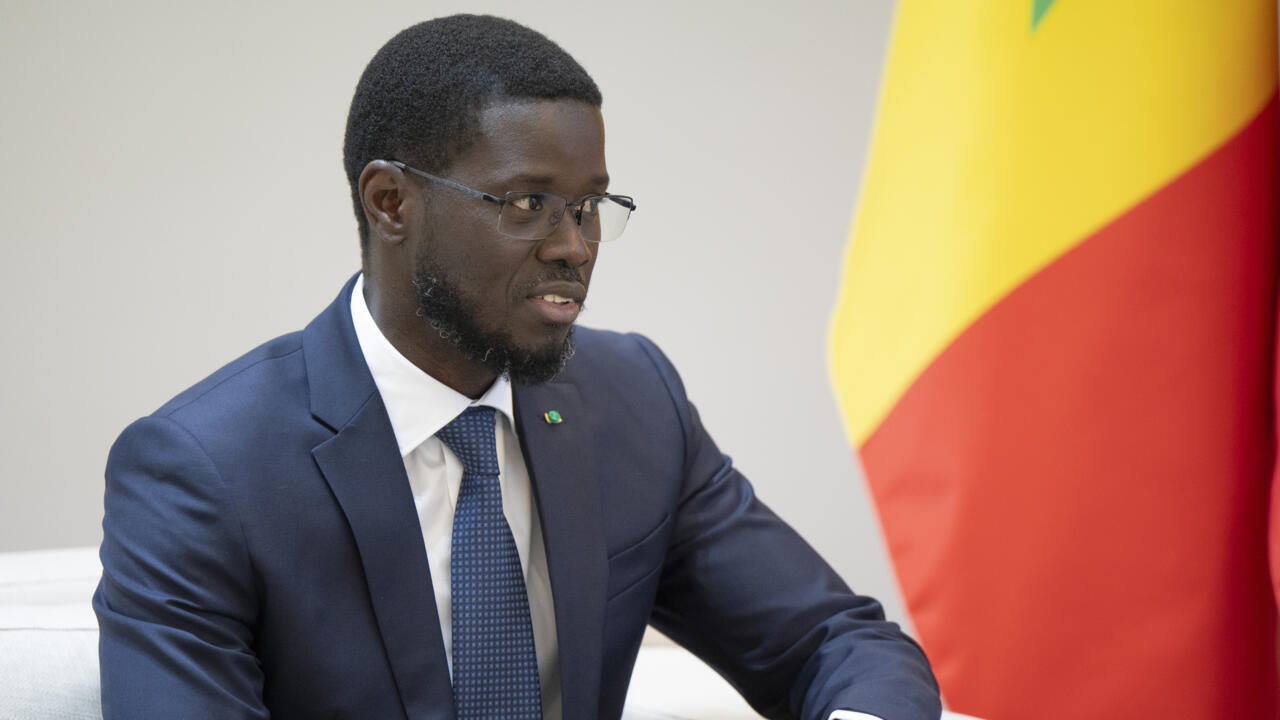
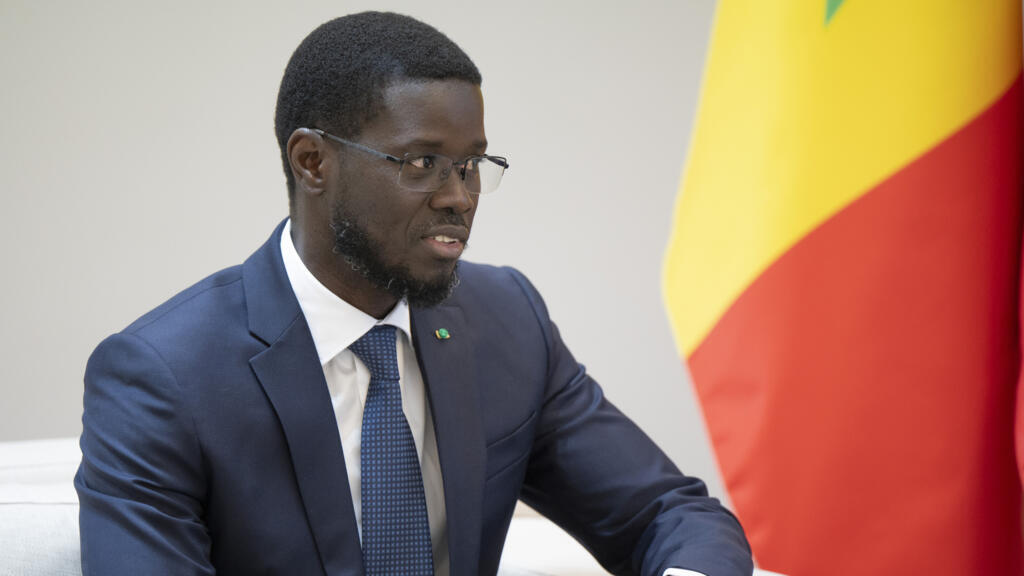
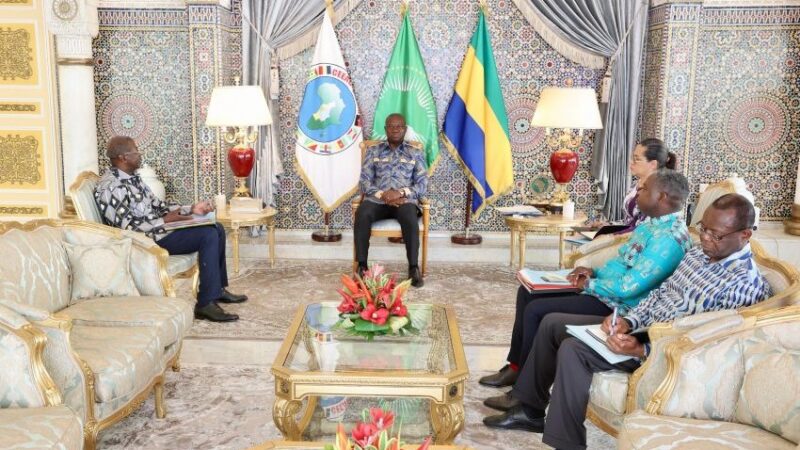
Addressing an assembly of 300 mayors from the “Diomaye Président” coalition at the Presidential Palace, Senegal’s President Bassirou Diomaye Faye unveiled his intention to establish his own political party. This move marks a significant development, especially as his ascent to power was largely fueled by the momentum of Pastef and the influential figure of Ousmane Sonko.
This announcement prompts critical questions within the landscape of Senegalese politics. A recent constitutional reform, approved by the majority of National Assembly deputies, explicitly states that no head of state may simultaneously lead a political party. Given this legal framework, what implications does this new political endeavor hold for the nation’s governance? Furthermore, what future awaits the “Diomaye Président” coalition following this pivotal decision?
Understanding this strategic timing requires a closer look at the intricate dynamics of African politics. Political analysts are carefully examining the potential ramifications of a sitting president forming a new party, particularly when constitutional provisions appear to present a direct challenge. This development could redefine the structure of society and governance in Senegal, impacting the broader discourse on African politics and leadership.