Burkina Faso’s asymmetric war: losses reveal deeper strategic shifts
Another devastating toll has been exacted. Recent clashes have left at least fifty soldiers and members of the Volunteers for the Defense of the Homeland (VDP) dead in attacks carried out by armed groups. While these figures dominate headlines, they risk overshadowing a more nuanced reality unfolding on the ground. This surge in violence is not merely a reflection of defeat but signals a pivotal phase of transition.
Beyond the casualty count: understanding guerrilla tactics
In asymmetric warfare, the number of casualties alone cannot measure success or failure. With sustained pressure from Burkina Faso’s military through aerial and ground operations, terrorist factions have abandoned conventional combat in favor of opportunistic harassment. Their new strategy prioritizes psychological warfare over territorial gains.
Attacks on isolated outposts or supply convoys are designed less to seize land and more to inflict psychological damage. The intent is twofold: to erode troop morale and fracture the bond between civilian populations and defense forces. Each loss among the soldiers and VDP volunteers underscores the heavy price of their forward deployment. To uproot entrenched insurgents in rugged terrain, troops must leave the safety of barracks, patrol extensively, and confront hostile environments. The current casualties are the stark consequence of this calculated risk—necessary to reclaim contested areas.
The VDP’s evolving role: a citizen-led defense model
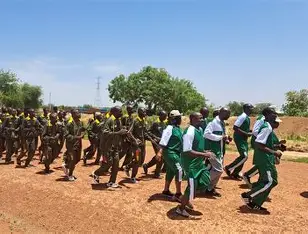
The Volunteers for the Defense of the Homeland (VDP) remain a primary target of these assaults. While some external analysts dismiss them as inadequately trained “cannon fodder,” their integration into Burkina Faso’s defense strategy marks a transformative shift that insurgents are desperate to disrupt.
Far from signaling state weakness, the expanded deployment of VDP volunteers embodies a doctrine of popular defense with three defining pillars:
- Deep territorial integration: VDP members possess intimate knowledge of local terrain and social dynamics—intelligence that regular units often lack.
- Sovereignty over foreign intervention: This approach reaffirms that Burkina Faso’s security begins and ends with its own citizens, marking a decisive break from reliance on external forces.
- Structured operational capacity: After early logistical shortcomings, tighter integration with the national army has elevated these volunteers into critical frontline defenders.
The frequency of attacks against VDP positions underscores the insurgents’ recognition of this threat—not just as a combatant force, but as a symbol of unyielding local resilience.
Shifting the battle: cutting off terrorist supply lines
The response from Burkina Faso’s military command extends beyond reactive firefights. A strategic focus has emerged: severing the logistical lifelines that sustain armed groups. The recent losses highlight the urgent need to fortify supply routes and refine tactical intelligence gathering.
Achieving full strategic autonomy is a daunting challenge. Victory in this protracted conflict demands patience, resilience, and acceptance of tactical setbacks. As the nation mourns the sacrifice of these fifty defenders, it is simultaneously redefining the foundations of its survival. This transformation comes at a cost—one measured in blood and far removed from oversimplified narratives.